Sikhs in the Lebanon and Israel War 2026: History, Resilience, and Global Seva Amid Conflict
Welcome to Global Sikhi Wiki, your comprehensive resource for exploring Sikh history, culture, and global communities.
we cover the history of Sikh migration to Lebanon, the gurdwaras that serve as community anchors, notable figures, the current war’s impact, evacuations, and the inspiring global Sikh response providing food, relief, and hope. reuters.com
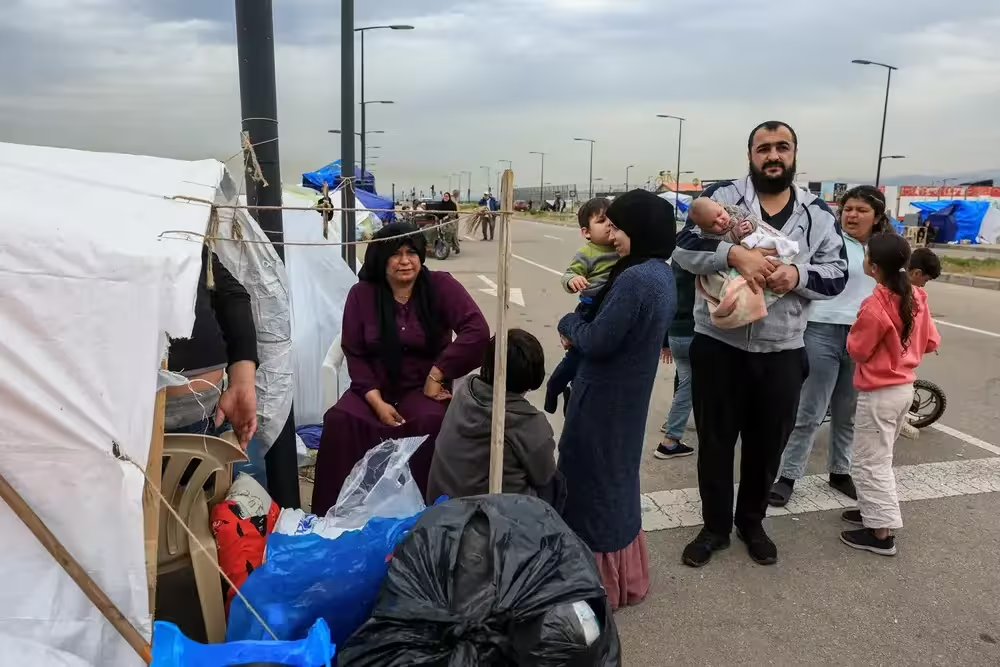
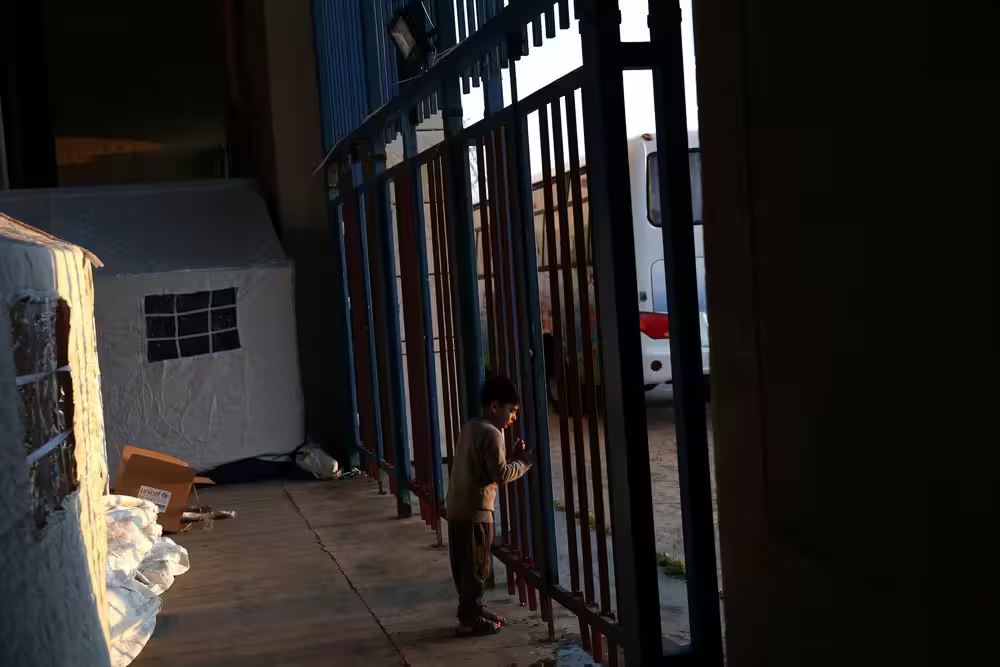
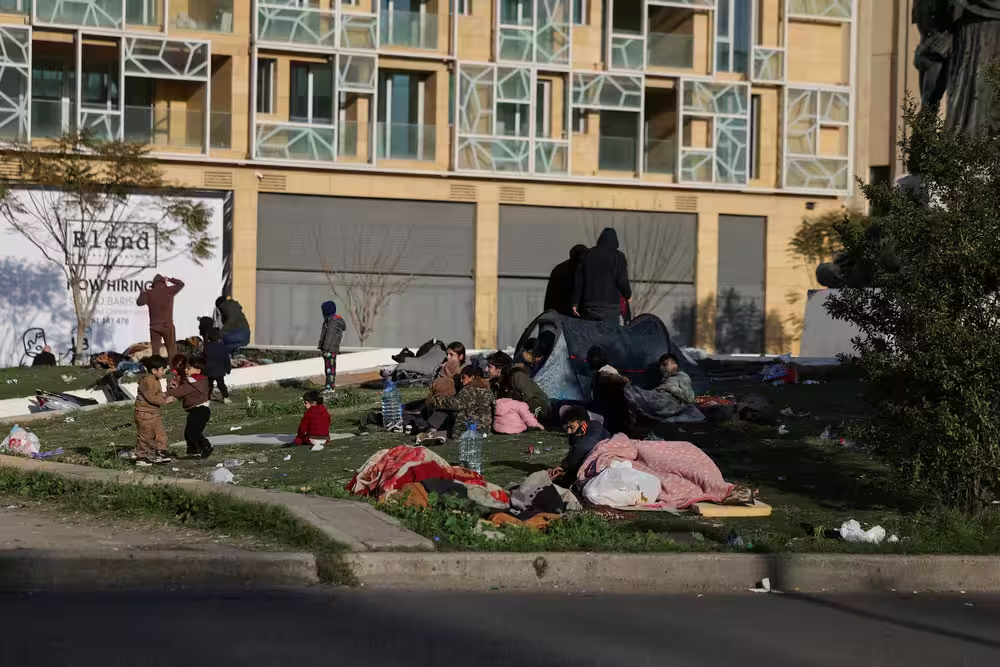
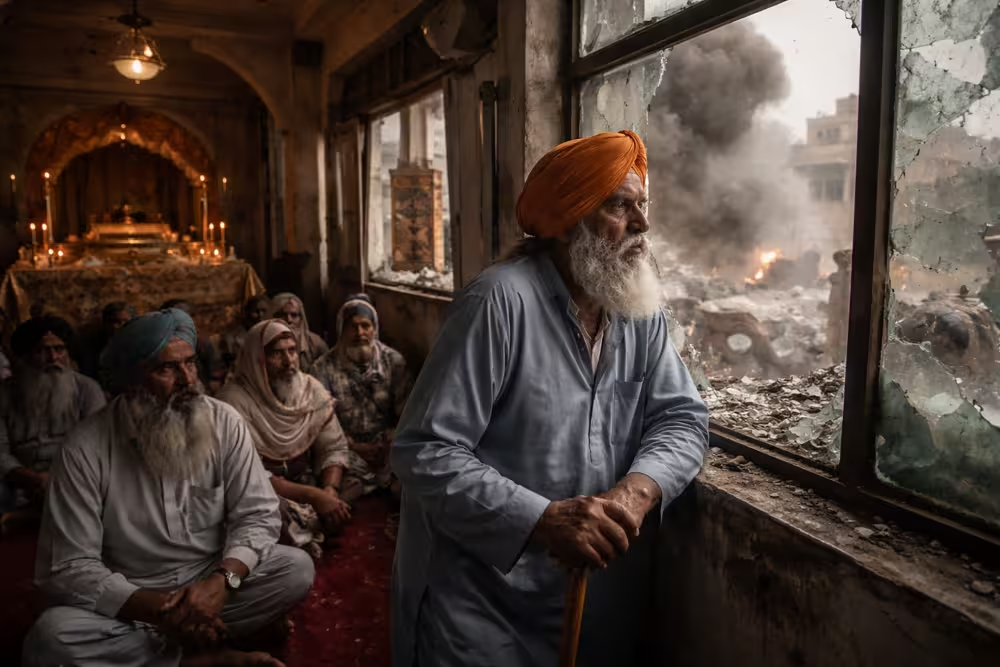
The ongoing Israel-Lebanon war of 2026, which escalated dramatically in March with intense Israeli strikes and Hezbollah responses, has displaced over 1 million Lebanese—nearly 20% of the population—creating one of the fastest humanitarian crises in recent history. Amid the chaos, Lebanon’s small but tight-knit Sikh community has faced displacement, business disruptions, and uncertainty. Yet, their story is one of resilience rooted in centuries-old Sikh values of seva (selfless service) and sarbat da bhala (welfare of all). wikipedia.org
History of Sikh Migration to Lebanon
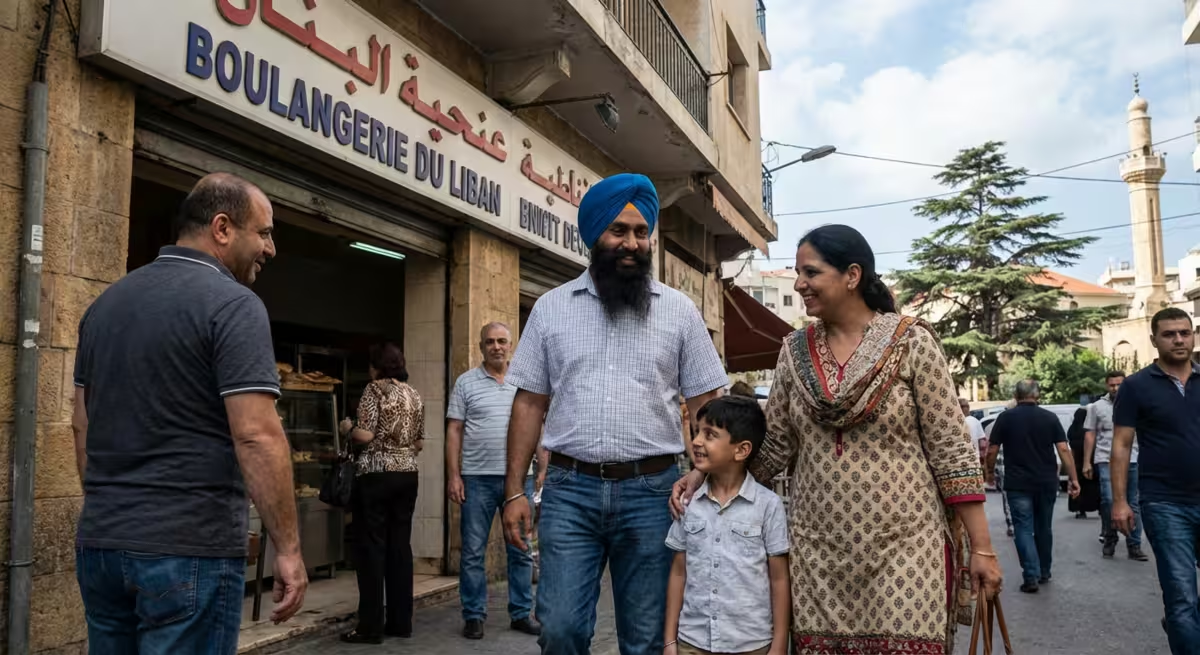
Sikh presence in Lebanon is modest compared to larger diaspora hubs in the UK, Canada, or the US, but it reflects broader South Asian economic migration to the Middle East. Most Sikhs (part of the wider Indian expatriate community) arrived in recent decades for opportunities in trade, construction, engineering, trucking, and small businesses. Estimates from earlier years placed the Sikh/Indian-linked community at around 3,000–4,000, centered in Beirut and surrounding areas. tribuneindia.com
Unlike the large-scale migrations to British colonies or North America post-1849 Sikh Empire era, Lebanon’s Sikhs are primarily post-independence economic migrants. They integrated quietly, maintaining cultural and religious ties while contributing to Lebanon’s economy. The Indian Embassy in Beirut has long supported the community through events and visits, fostering strong links.
This migration mirrors Sikh adaptability seen globally—Punjabi Sikhs seeking better livelihoods while upholding Gurmat principles abroad.
Gurdwaras in Lebanon: Spiritual and Community Hubs
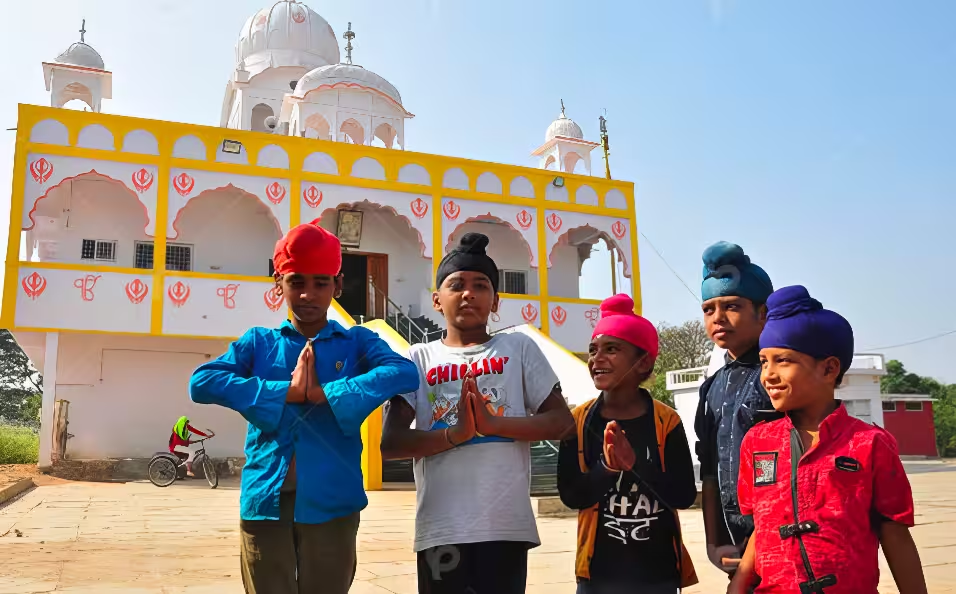
Lebanon’s gurdwaras are vital lifelines for Sikhs and open to all, embodying the Sikh tradition of sangat and pangat. Key sites include:
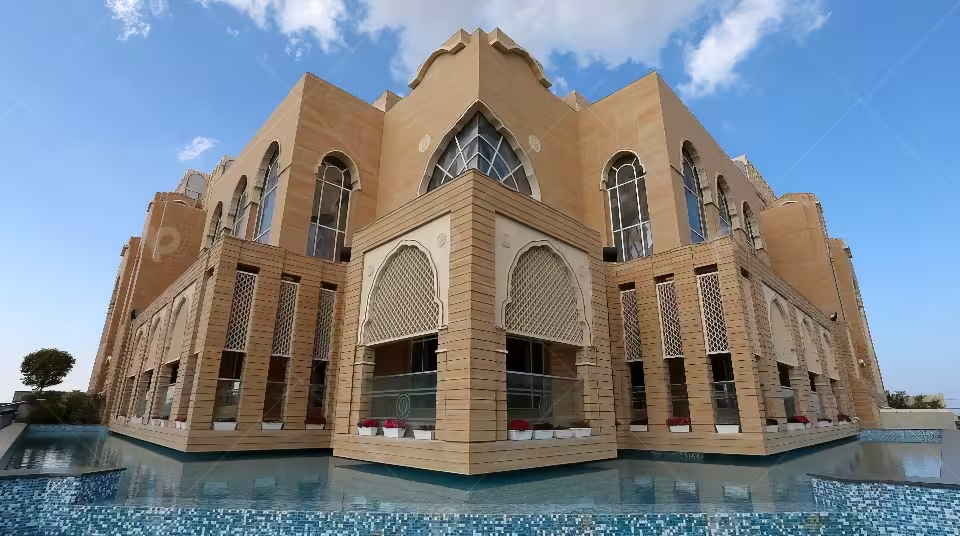
- Gurdwara Sahib Beirut (also known as Gurudwara in Bairut): A central place of worship in the capital, frequently visited by the Indian community.
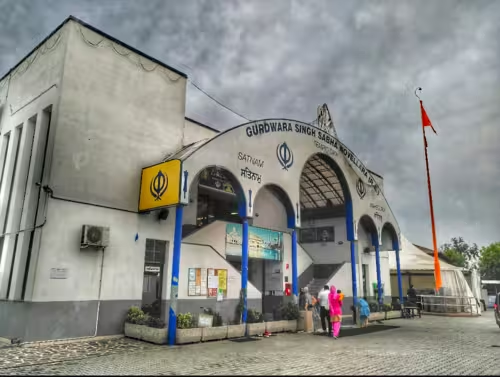
- Gurdwara Singh Sabha Lebanon in Zeitoun.
- Gurdwara Sant Ravidas Ji: Often engaged by Indian Embassy officials for cultural and religious events.
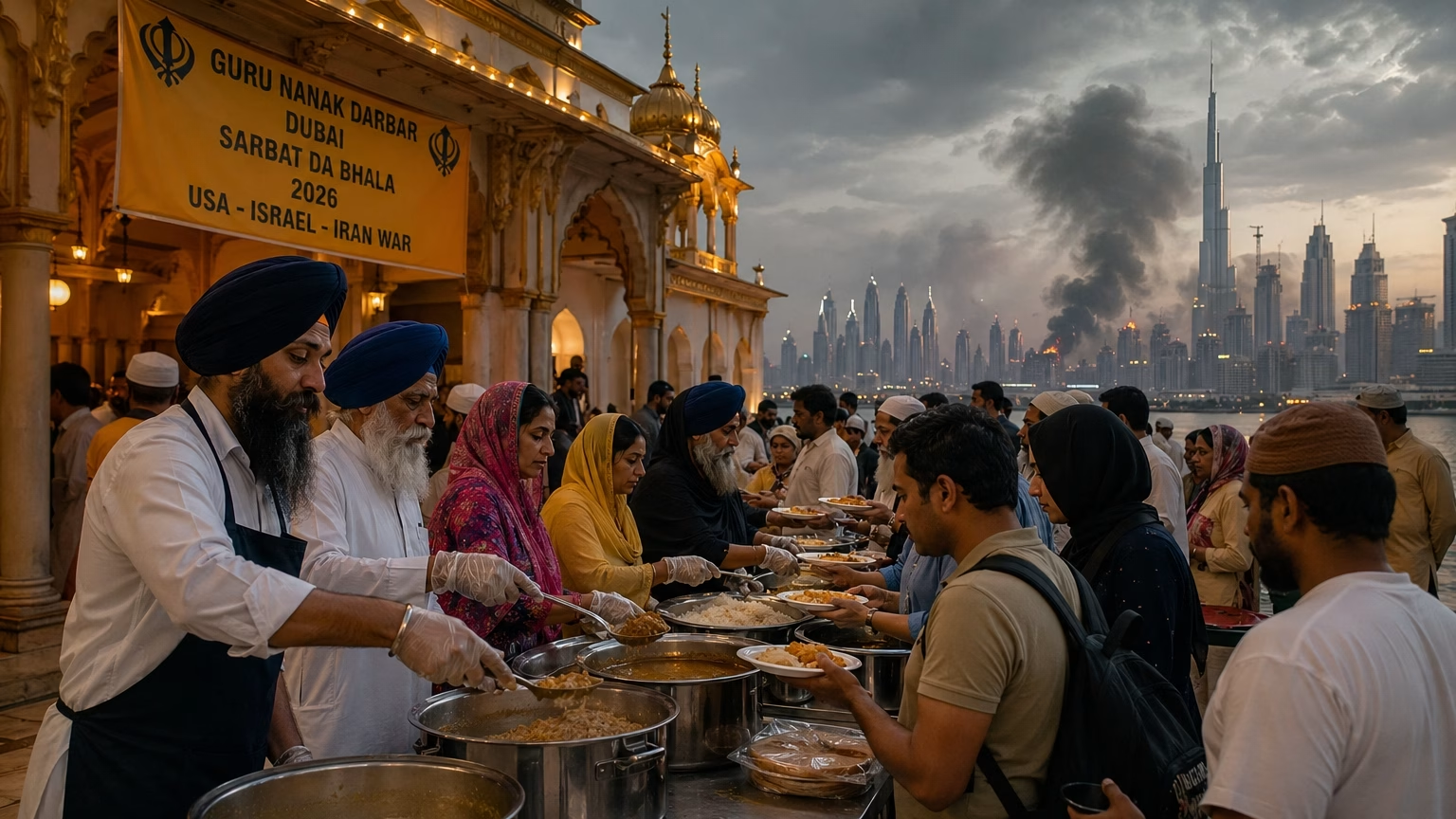
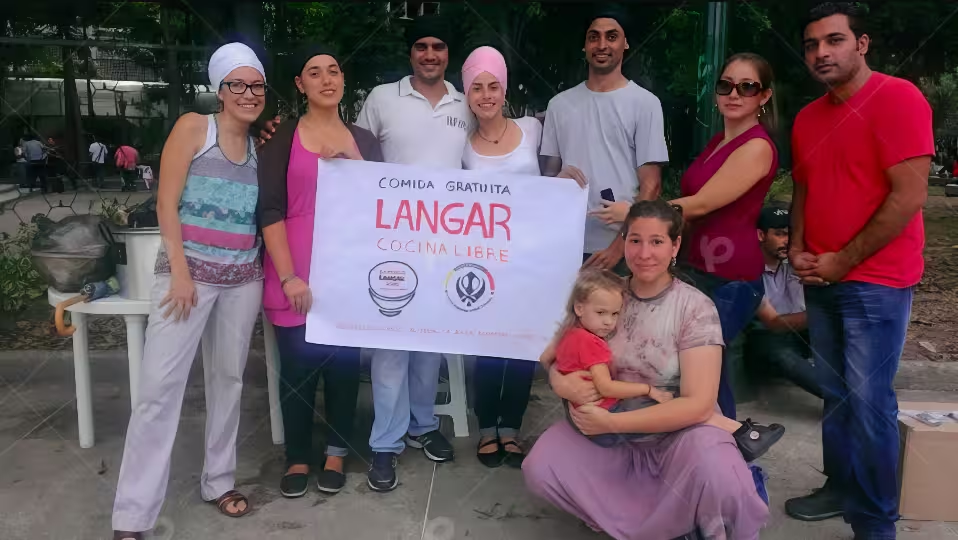
These gurdwaras host langar (community kitchen), prayers, and festivals like Guru Nanak Dev Ji’s birth anniversary. Indian ambassadors have visited to interact with the community, highlighting their role not just in worship but in cultural preservation amid Lebanon’s multi-faith landscape.
Sikh Aids
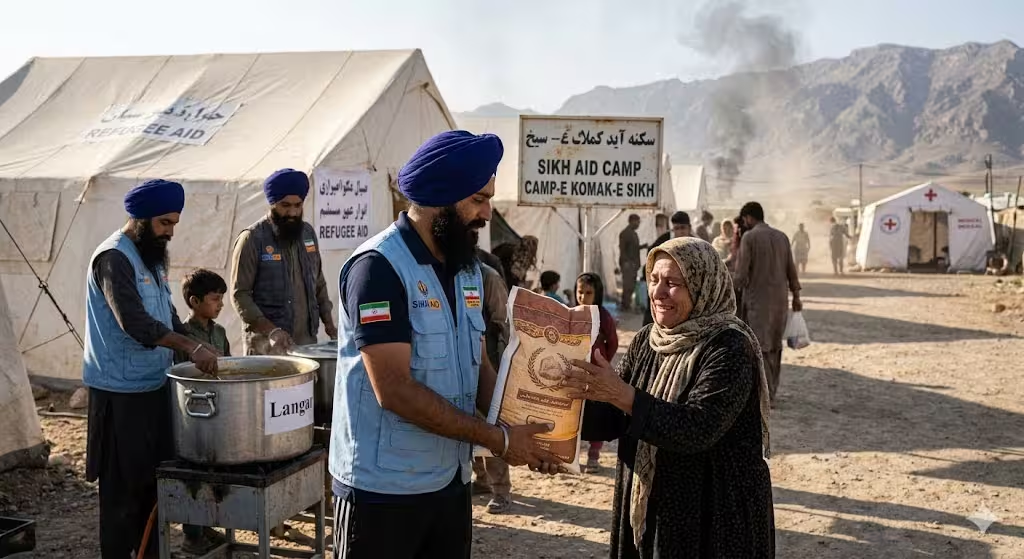
Provides non-partisan global humanitarian relief, including immediate aid and rehabilitation. They have highlighted humanity-beyond-borders initiatives, with reports of Sikh volunteers stepping up for support in Iran-related tensions.
UNITED SIKHS (Sikh Aid) is the humanitarian relief wing of UNITED SIKHS, a UN-affiliated international non-profit organization. It is dedicated to providing non-partisan global relief and rehabilitation to victims of natural disasters and civil conflicts.
Key Aspects of United Sikhs (Sikh Aid)
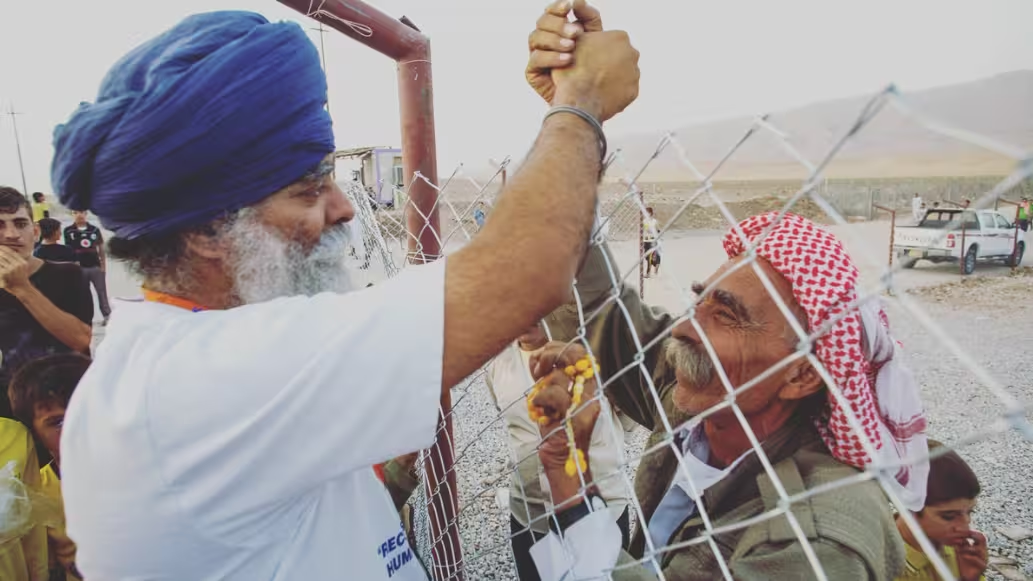
Mission of Seva: Their work is driven by the Sikh principle of Seva (selfless service), aiming to assist those in need regardless of their religion, race, or nationality.
Global Reach: The organization operates across several continents, with a significant presence in North America, Europe, and Asia.
Conflict & Disaster Relief: They are often among the first responders in crisis zones. In 2026, they have been noted for highlighting “humanity-beyond-borders” initiatives, with volunteers providing support during regional tensions involving Iran and surrounding areas.
Types of Support:
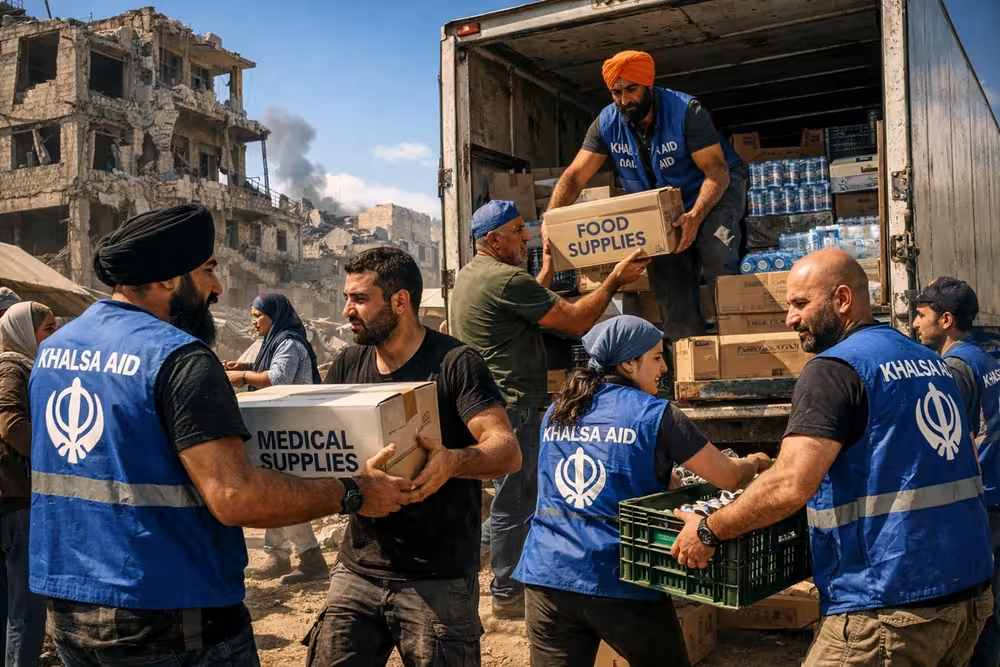
Emergency Supplies: Distribution of food, clean water, and hygiene kits.
Medical Aid: Setting up health clinics and providing essential medicines.
Rehabilitation: Long-term projects focused on rebuilding lives and infrastructure after the initial crisis subsides.
Civil Rights Advocacy: Beyond physical aid, the broader UNITED SIKHS organization also focuses on legal advocacy and protecting the civil and human rights of minority communities worldwide.
Note: They often coordinate with local gurdwaras and international bodies to ensure aid is delivered efficiently to displaced families and migrant workers in conflict-affected regions.
The international headquarters of UNITED SIKHS is located in New York City, USA.
Headquarters Address
JAF, POB 7203, New York, NY 10116, USA