Sikhs in Dubai Amid the 2026 USA-Israel-Iran War

Welcome to Global Sikhi Wiki, your comprehensive resource for exploring Sikh history, culture, and global communities.Have you ever wondered how a community stays rooted when the world around it shakes?

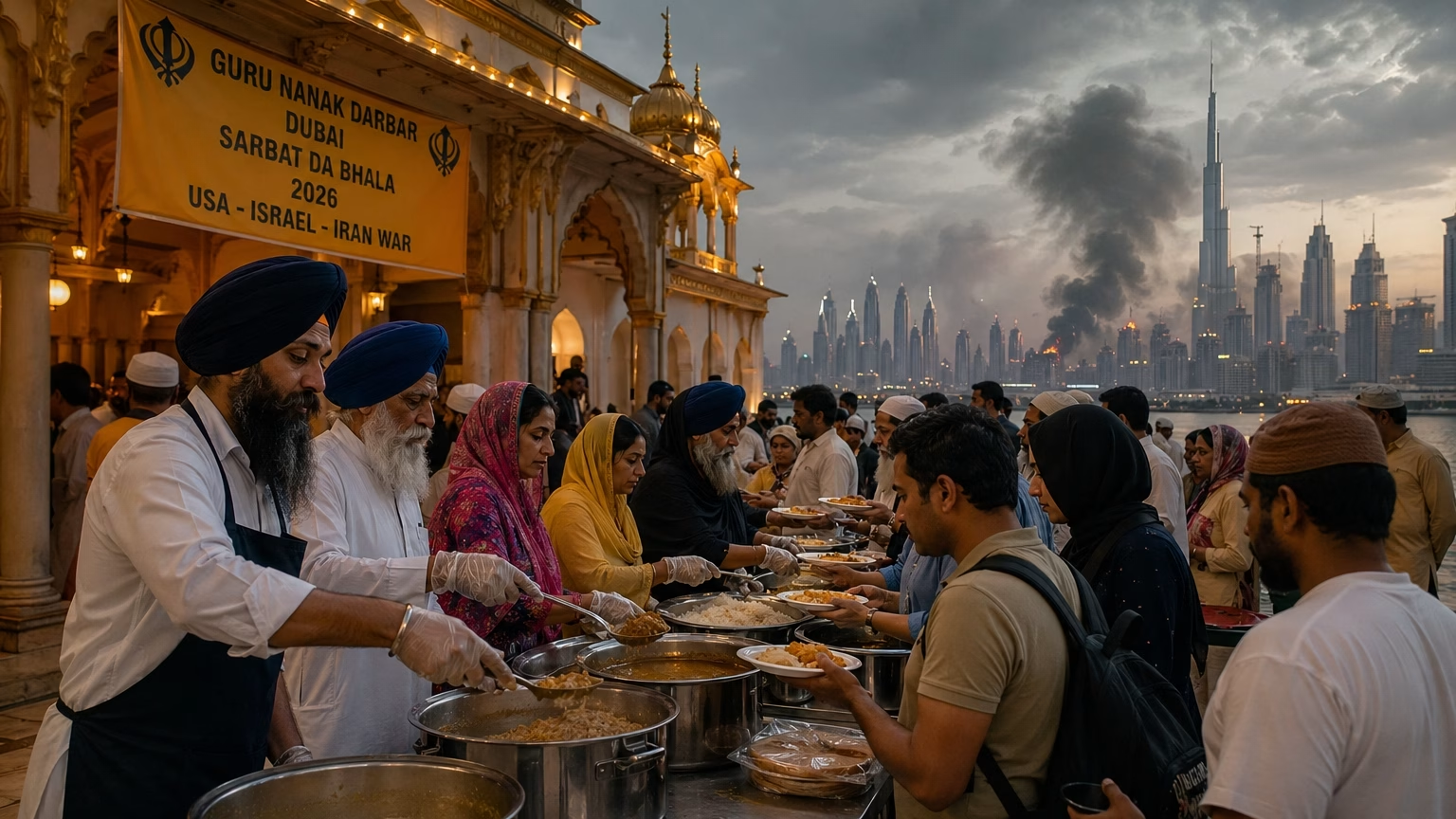
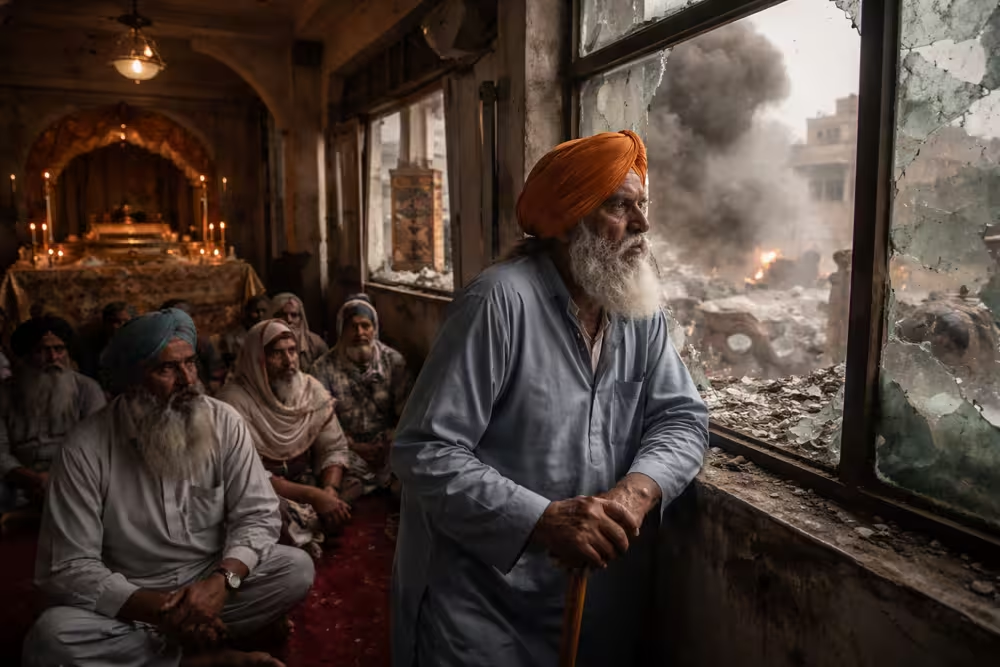
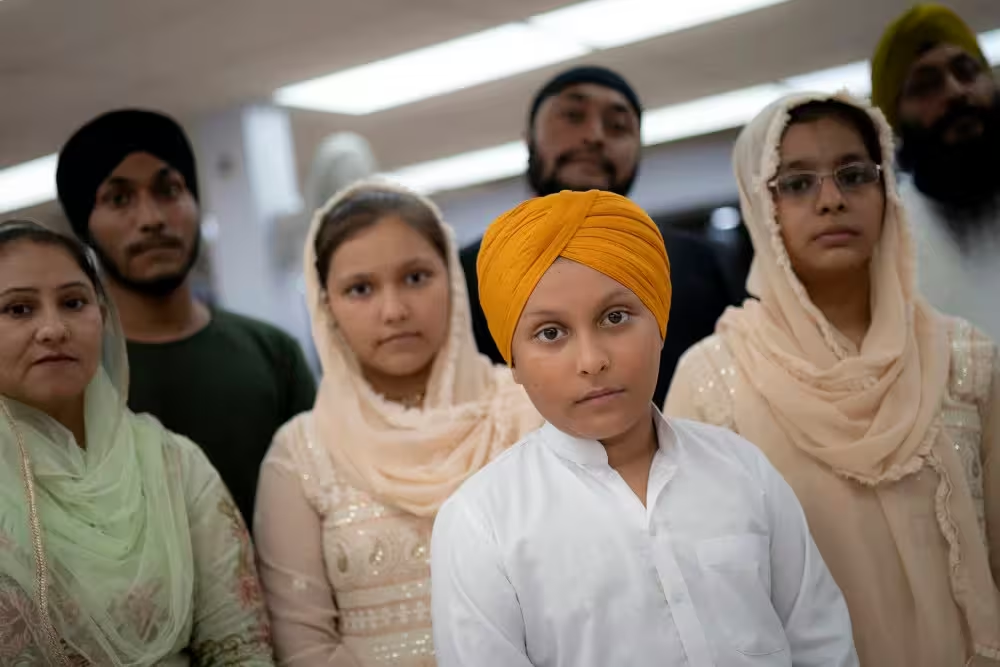
In Dubai — the glittering city of dreams — the 2026 war brought sudden fear with Iranian missiles and drones lighting up the skies. Yet, amid the tension, Dubai’s Sikh community (over 50,000 strong across the UAE) continues to shine with Chardi Kala and selfless Seva.

From professionals in skyscrapers to workers in labor camps, Sikhs are showing the world what it means to live the Guru’s teachings in crisis. Let’s dive into their journey.

Present Situation in Dubai: Calm Amid Chaos

Life in Dubai is “functioning but tense.” Air defense intercepts flash across the horizon, flight schedules remain unpredictable, and safety advisories continue. Many places of worship adjusted operations, but the spirit remains high.

Sikhs here are handling it with grace:

  • Following UAE guidelines strictly.
  • Supporting each other and fellow expats with rides, supplies, and emotional strength.
  • Keeping businesses running where possible while prioritizing family safety.
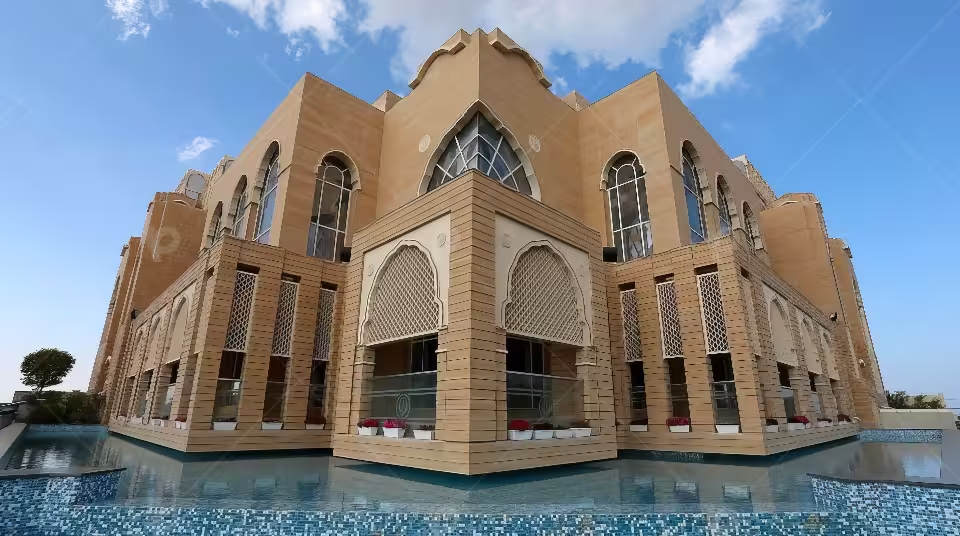
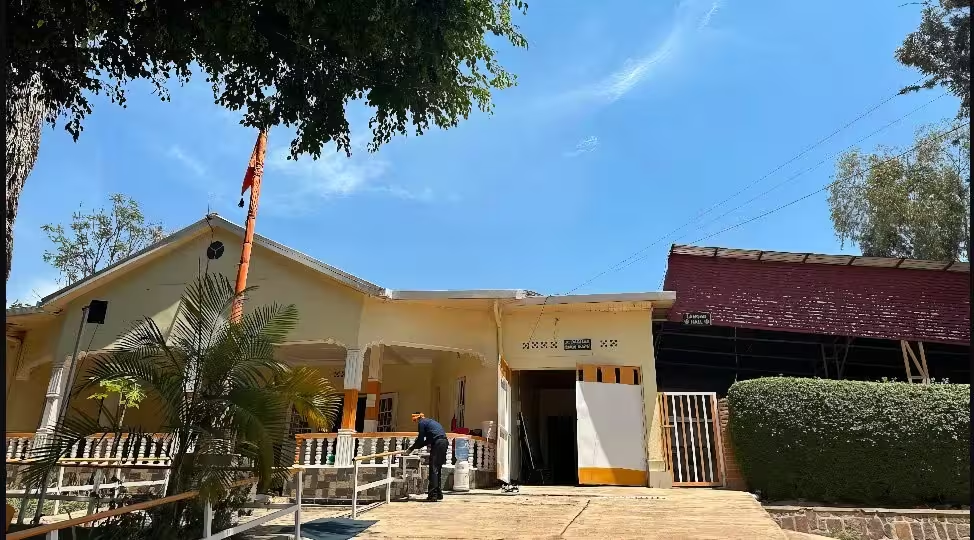
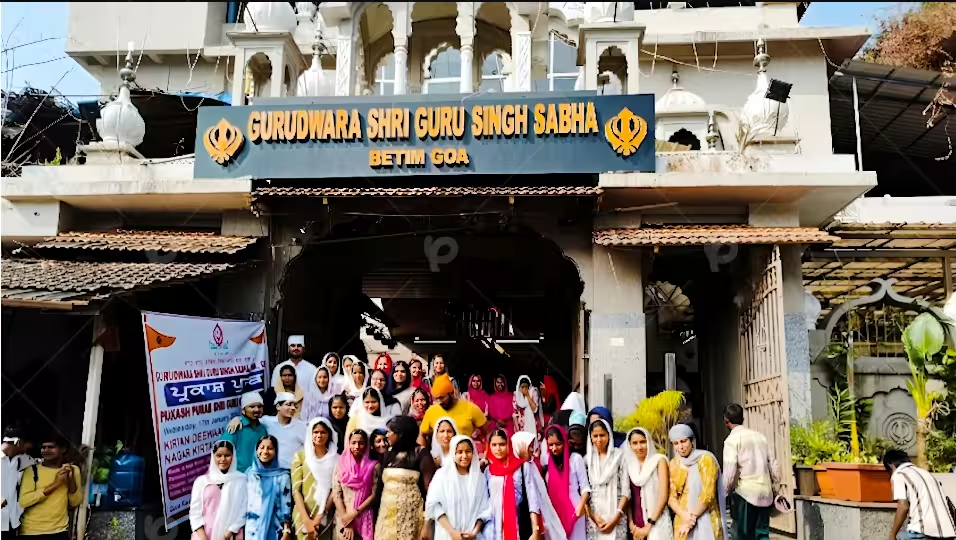
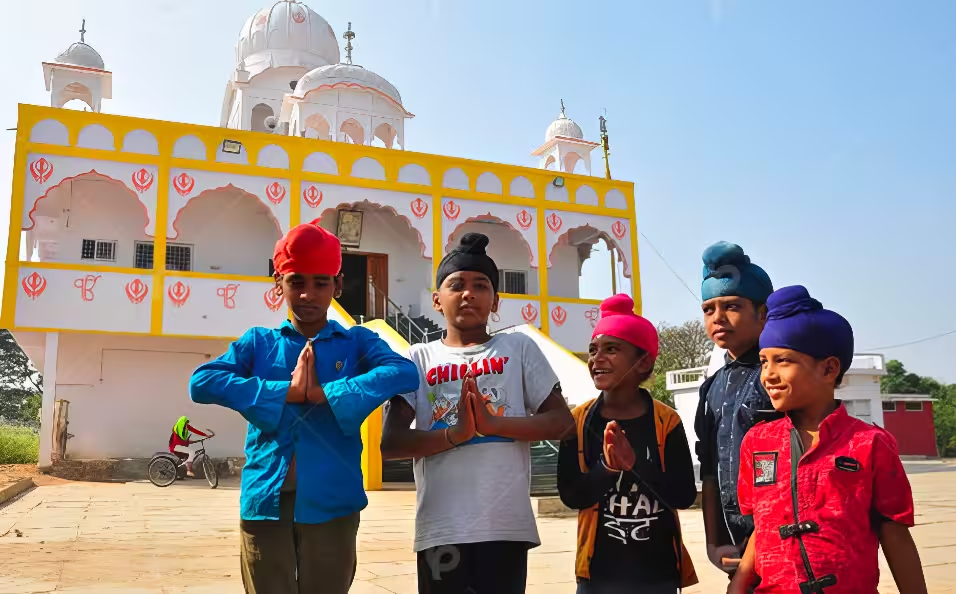
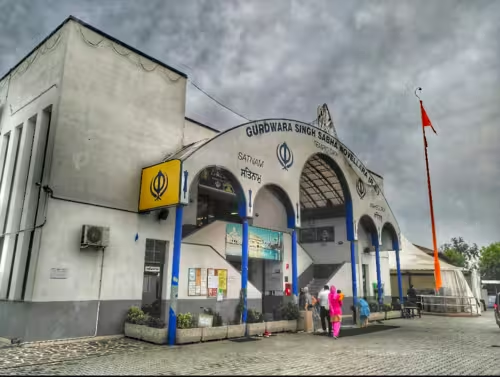
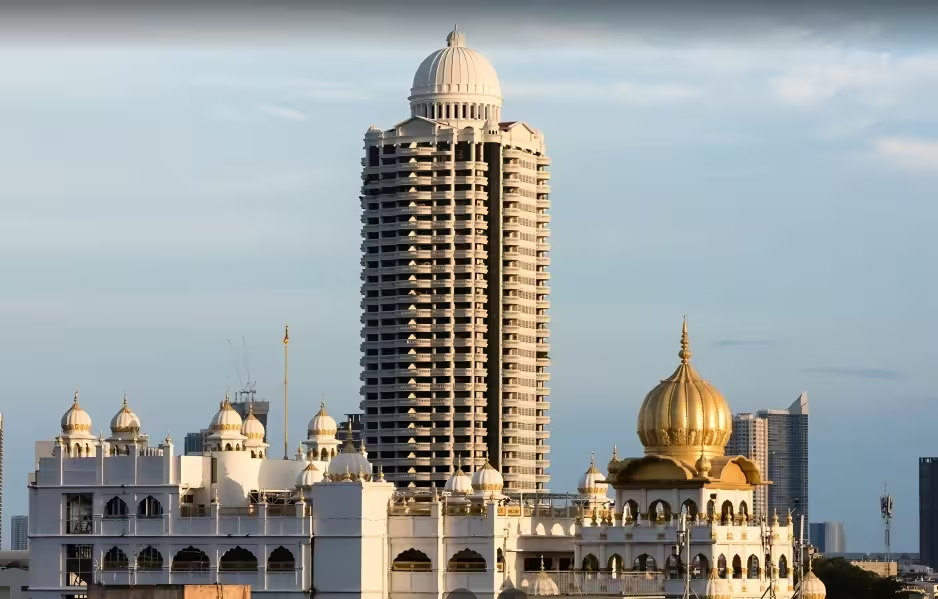
Guru Nanak Darbar Dubai
The Guru Nanak Darbar is a Sikh gurdwara at the Churches Complex in Jebel Ali Village, Dubai, founded in 2012 to serve over 50,000 Sikh residents in the Emirate.

Iconic Guru Nanak Darbar Gurdwara: Beacon of Hope

The Guru Nanak Darbar Gurdwara in Jebel Ali is more than a place of worship — it’s home away from home. Inaugurated in 2012 on land gifted by His Highness Sheikh Mohammed bin Rashid Al Maktoum, this architectural marvel cost millions and serves thousands weekly.

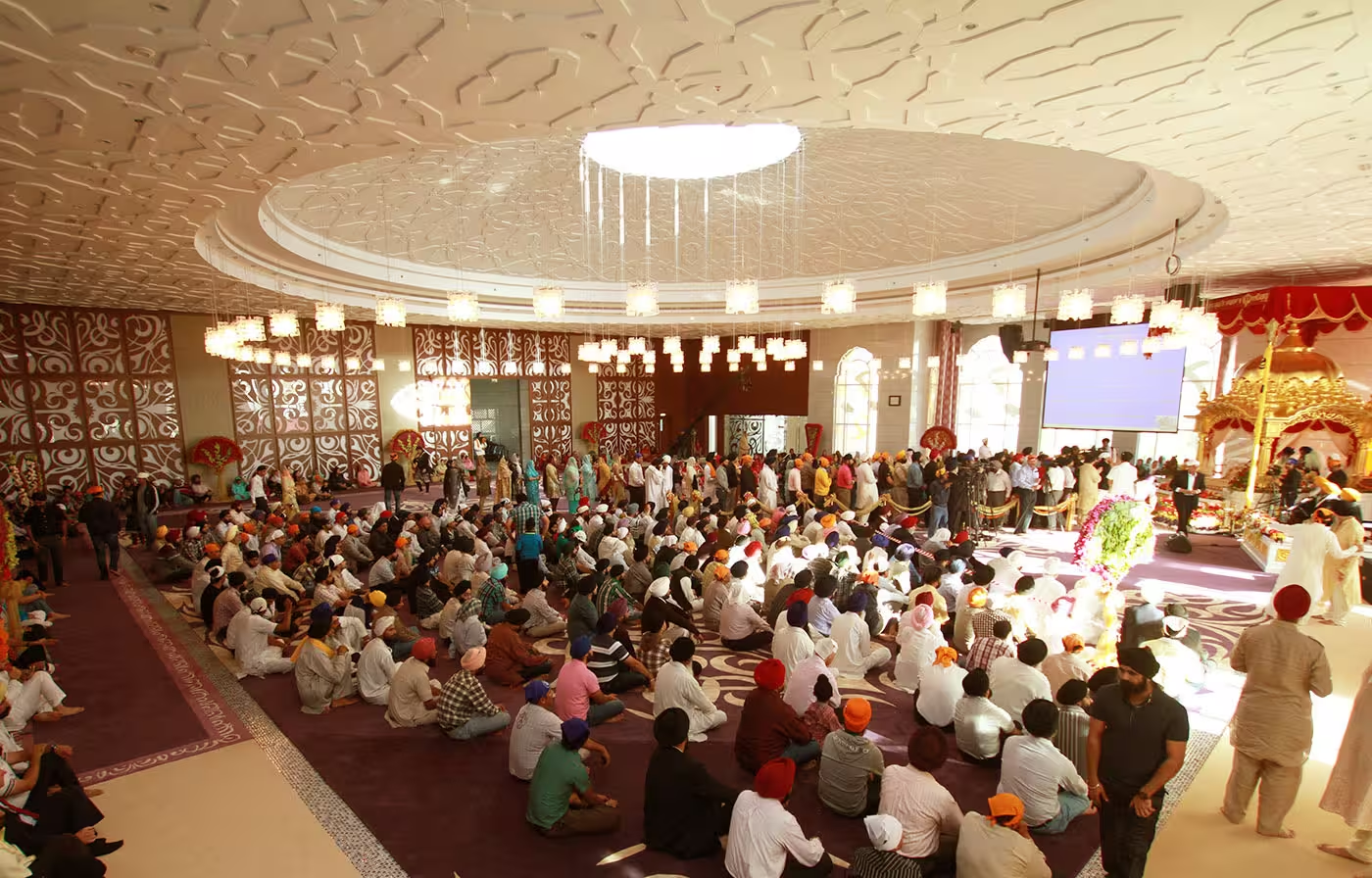
It briefly closed in early March 2026 for safety but reopened with adjusted timings (currently 6:00 AM – 6:00 PM). Langar seva continues, feeding all who come. Recently, it hosted vibrant Vaisakhi 2026 celebrations filled with prayers for peace and gratitude to the UAE. gulfnews.com

Sikhs in Dubai and the 2026 War :Guru Nanak Darbar, Dubai
Guru Nanak Darbar in Dubai is the first official Sikh Gurudwara in the GCC and the Middle East, serving a community of over 50,000 Sikhs in the UAE. Founded in 2012 by Dubai-based businessman Surender Singh Kandhari, the temple stands as a major symbol of religious tolerance and interfaith harmony in the region.

How Many Sikhs Have Left Dubai?

Exact Sikh-specific numbers aren’t public, but the broader Indian expatriate community (over 2 million in the UAE) saw significant movement. Tens of thousands repatriated via special flights in early March, including many Punjabi and Sikh workers.

Many blue-collar families returned temporarily to India, while professionals and long-term residents largely stayed. Emotional reunions in Punjab highlighted the crisis, but Dubai’s Sikhs who remained helped coordinate support for those leaving. The situation is stabilizing as of late April, though caution remains. timesofindia.indiatimes.com

A Quick History of Sikh Migration to Dubai

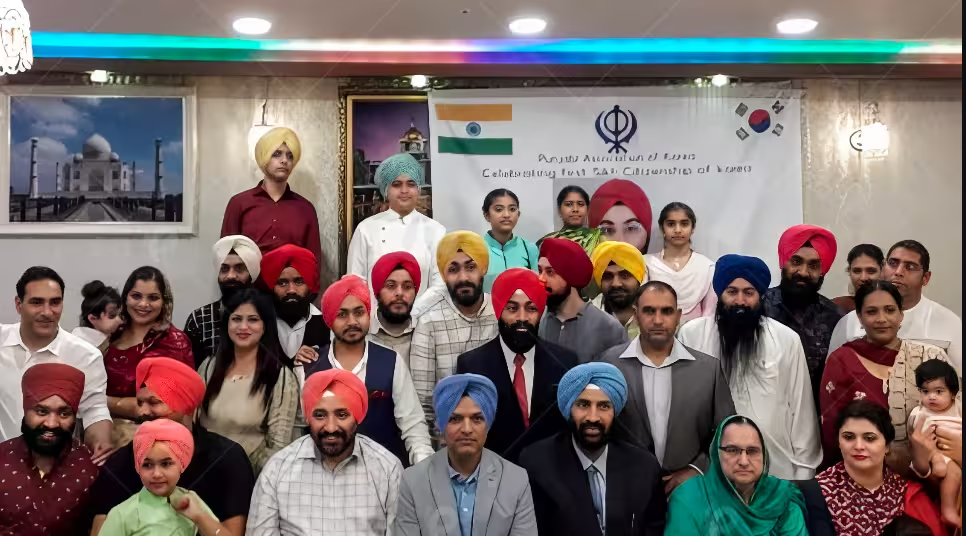
Sikh footprints in Dubai trace back to the late 1950s, with around 1,000 community members by 1958. The real boom came with the UAE’s formation in 1971 and the oil-driven economic surge. Punjabis arrived in waves for construction, trade, logistics, and entrepreneurship.

From humble home-based prayers to building a grand Gurdwara, the community grew through hard work and integration while preserving Sikh values. Today, Sikhs contribute across all sectors in this multicultural hub.

International Sikh Organisations Leading Aid Efforts

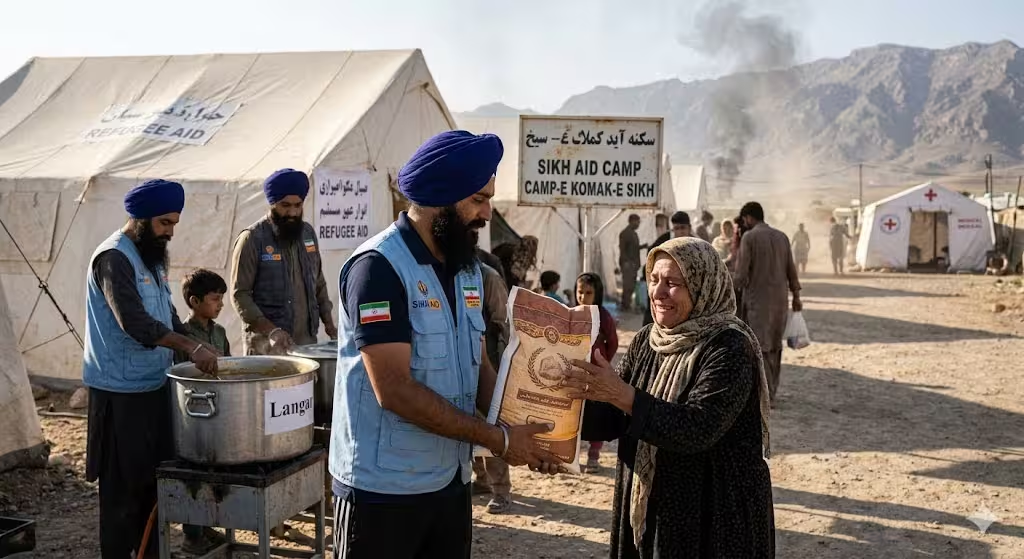
True to Sarbat da Bhala, Sikh organizations jumped into action:

  • Global Sikhs activated its Middle East network immediately, setting up a helpline (+971 56 177 4115), providing hot meals, temporary shelter, and verified safety info. Their UAE chapter has been on the ground coordinating relief.
  • Local Dubai Sikhs partnered with Khalsa Aid and others to extend support beyond the community.

Stories of Sikhs opening homes and arranging transport for stranded families have gone viral — pure Seva without boundaries.

Exploring Chardi Kala Deeply: The Ever-Rising Spirit of Sikhism

What does it truly mean to live in Chardi Kala when the world feels like it’s falling apart?

In the face of the 2026 USA-Israel-Iran war’s ripple effects reaching Dubai, the Sikh community’s calm, continued Seva, and unwavering prayers are not mere survival—they are living proof of Chardi Kala (ਚੜ੍ਹਦੀ ਕਲਾ). This core Sikh principle is far more than “positive thinking.” It is a profound, spiritually charged way of being that has sustained the Panth through centuries of trials. Let’s explore it deeply, drawing from Gurbani, history, and the lived reality of Sikhs today.

The Meaning and Etymology of Chardi Kala

Chardi Kala literally translates to “rising spirits,” “ascending energy,” or “ever-progressive high spirits.”

  • Chardi (ਚੜ੍ਹਦੀ) comes from Punjabi and means “rising,” “ascending,” or “soaring.”
  • Kala (ਕਲਾ) derives from Sanskrit and signifies “energy,” “force,” “art,” “condition,” or “power.”

Together, it describes an intensely energized, ever-ascending state of the spirit—a mindset that is buoyant, optimistic, cheerful, and resolute. It is the opposite of despair. A Sikh in Chardi Kala never admits defeat, refuses to be crushed by adversity, and maintains faith, courage, discipline, and joy even in the darkest times.

It is not blind positivity or denial of pain. It is spiritual resilience—a conscious choice to rise above circumstances through complete trust in Waheguru.

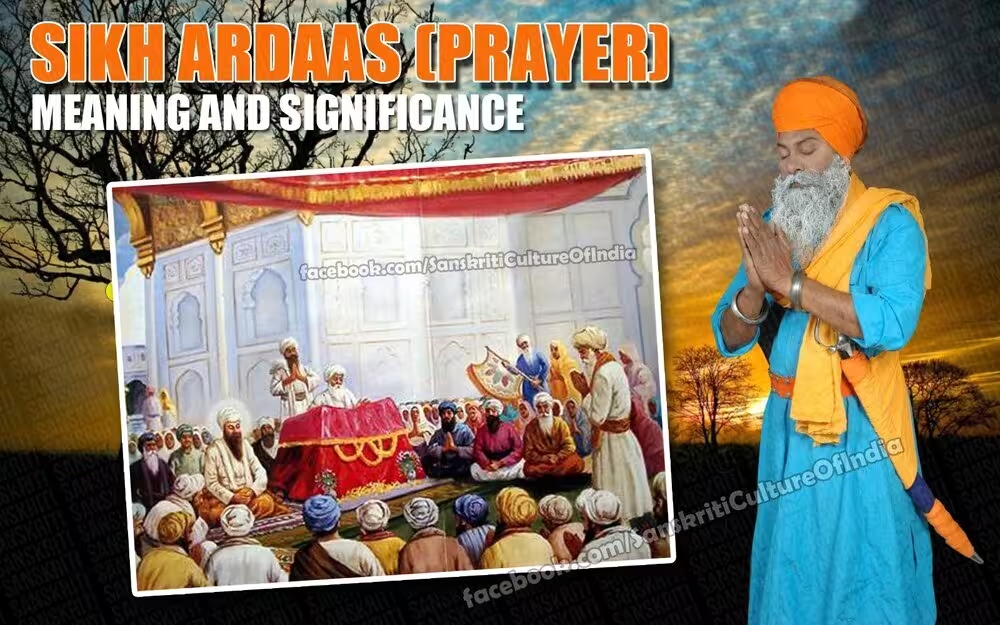
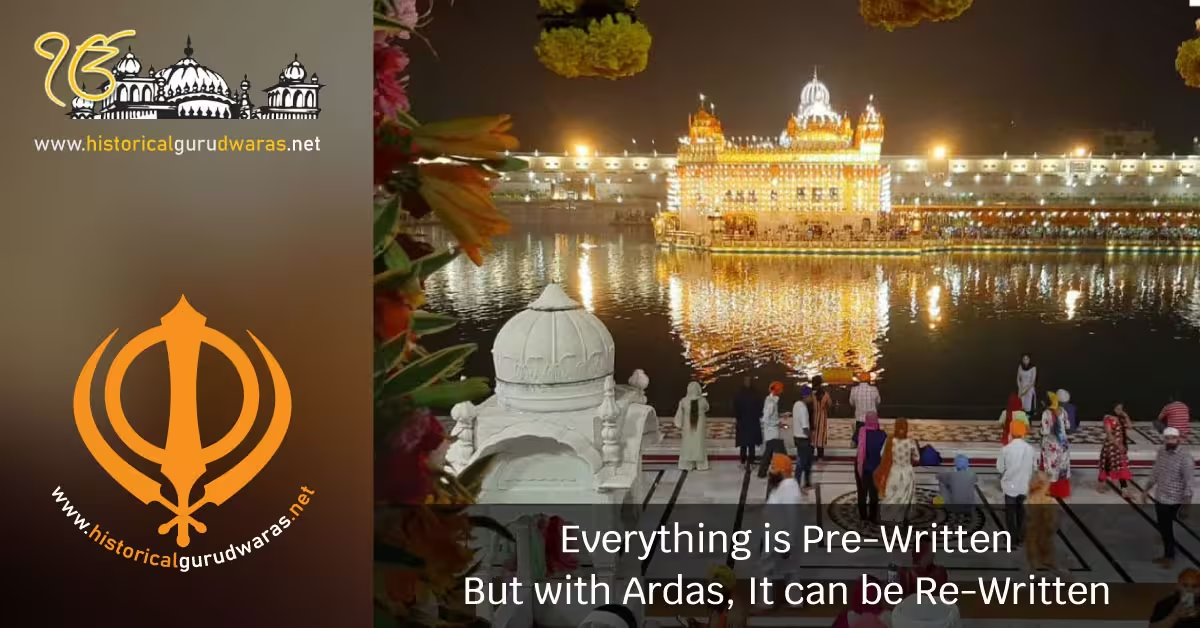
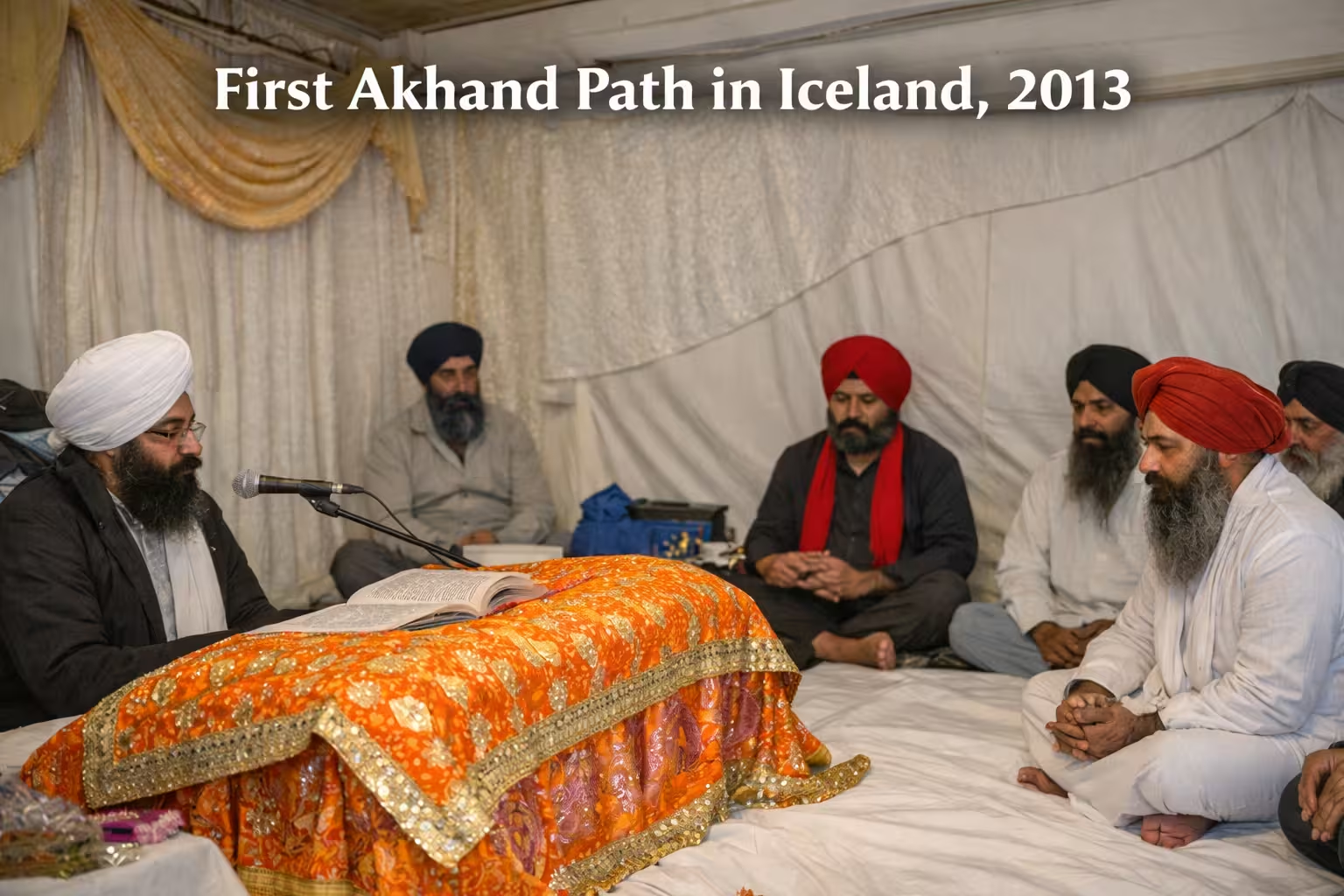
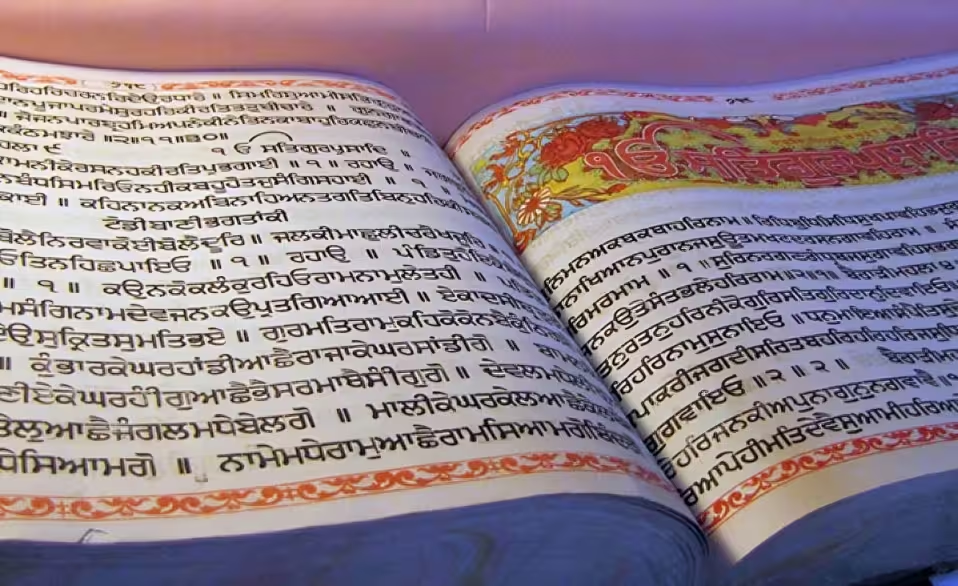
Sikh Ardaas
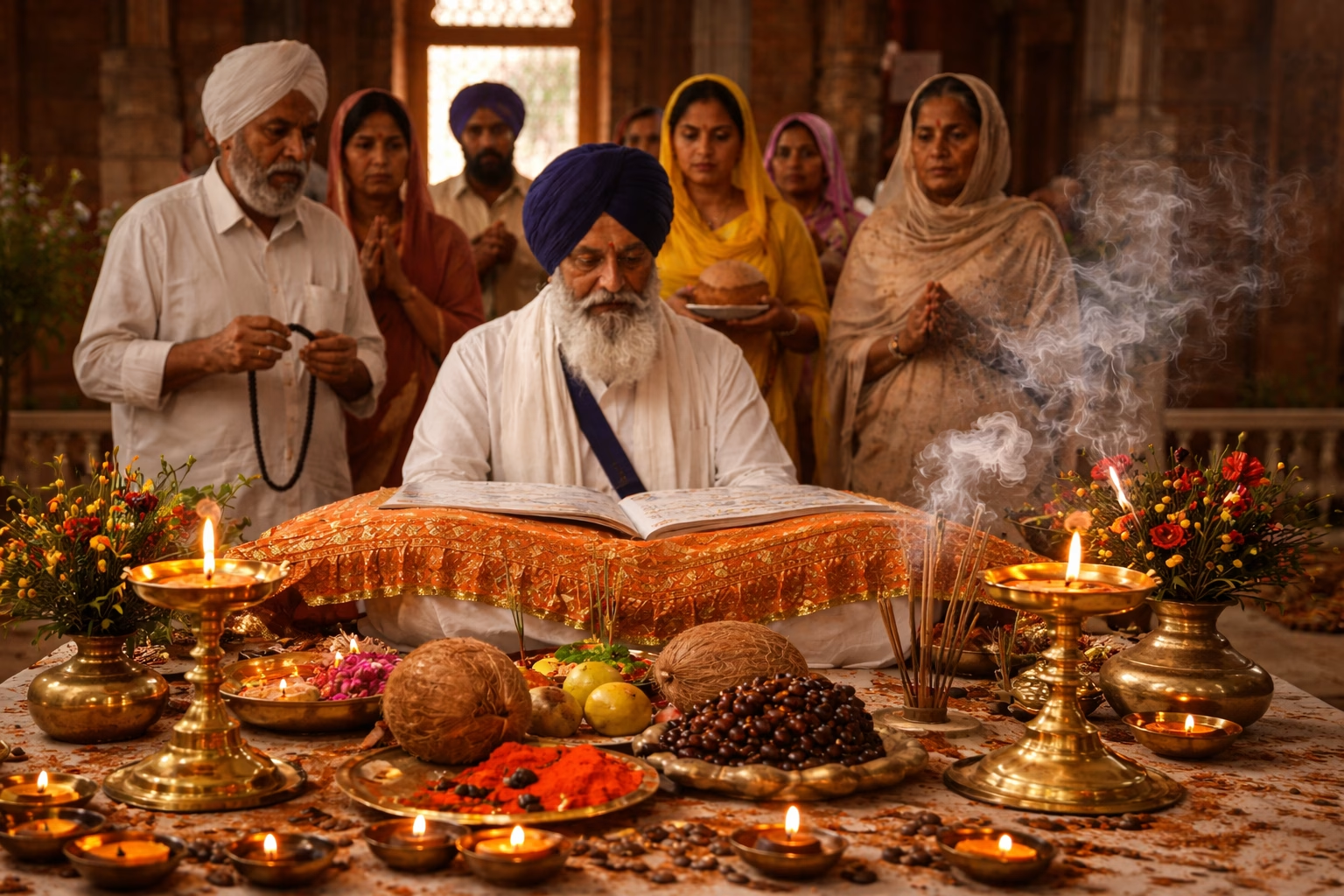
Ardaas is a structured, congregational, or personal prayer in Sikhism, derived from the Persian word arzdasht, meaning a petition or humble request to God. It is a vital, emotional bridge connecting Sikhs to Waheguru (God), performed to start or end daily routines, initiate tasks, or mark life events like marriages or funerals

The Heart of Chardi Kala: The Ardas Connection

Every Sikh Ardas ends with these immortal words:

“Nanak Naam Chardi Kala, Tere Bhane Sarbat Da Bhala.”

Translation: “O Nanak! With the Naam (remembrance of the Divine) comes Chardi Kala, and by Your Will (Bhana), may there be welfare for all.”

This single line beautifully weaves three pillars of Sikh life:

  1. Naam → Connecting with the Divine Name fills the soul with joy and strength.
  2. Chardi Kala → The resulting ever-rising spirit.
  3. Sarbat Da Bhala → The welfare of all creation, because true optimism naturally flows into selfless service (Seva).

Chardi Kala is inseparable from Bhana (acceptance of God’s Will) and Hukam (divine order). It teaches that even hardship is part of a larger divine plan—and from that acceptance flows unstoppable energy. sikhnet.com

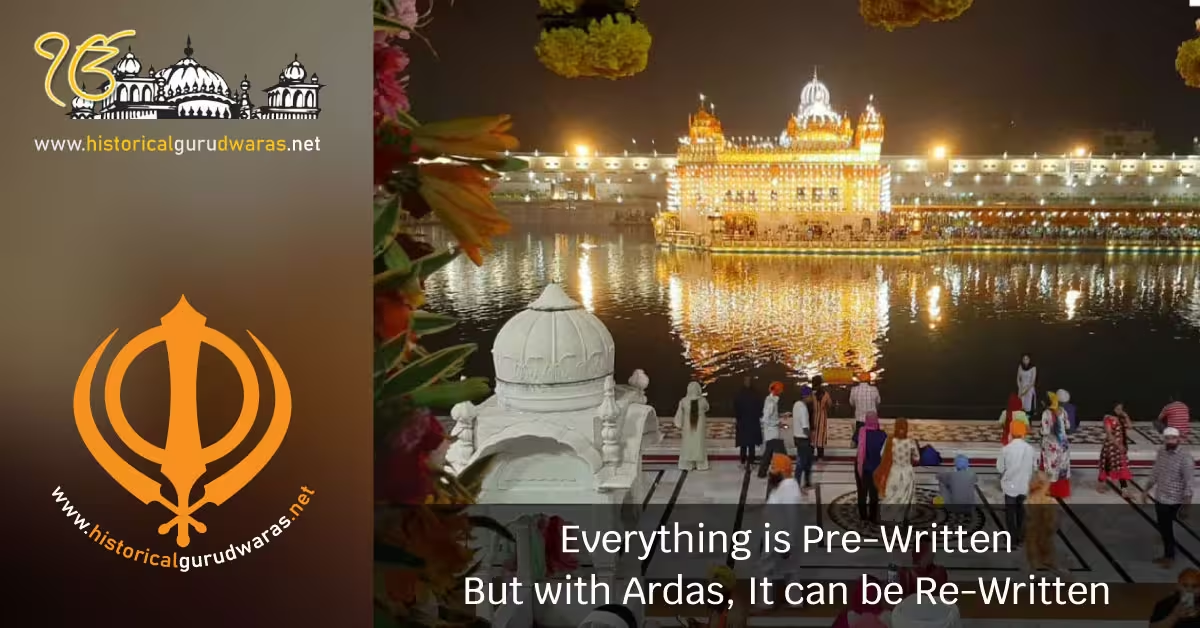
Sikh Prayer Ardaas
Sikh Ardas is a formal, congregational, or personal prayer in Sikhism, derived from the Persian word ‘Arazdashat’, meaning a humble request, petition, or supplication to God. Composed initially by Guru Gobind Singh, it acts as an invocation for guidance, strength, and blessings before or after significant tasks, daily worship, or eating

Chardi Kala in Sikh History: Tested and Proven

This spirit is not theoretical. It was forged in fire:

  • Guru Gobind Singh Ji lost his four sons, his mother, and countless Sikhs—yet wrote the Zafarnama (Epistle of Victory) to Aurangzeb, declaring moral triumph. That is Chardi Kala.
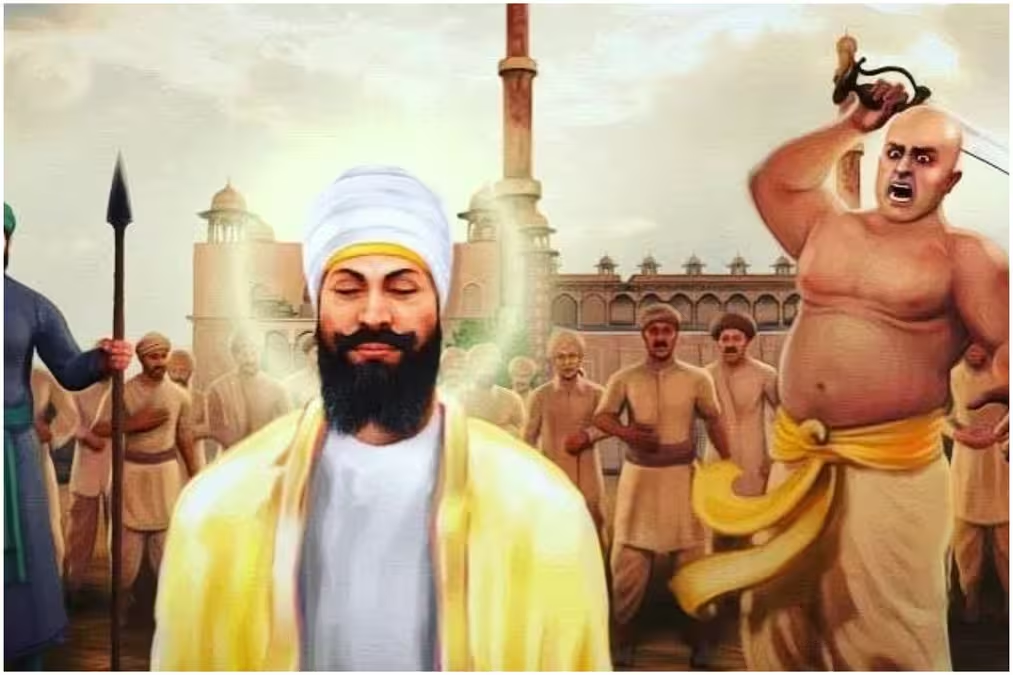
  • Martyrs like Guru Arjan Dev Ji (on the hot plate) and countless others in the 18th-century persecutions smiled through torture, saying “Tera Kiya Meetha Lage” (“Your Will is sweet”).
  • Nihang warriors called dry chapatis “sweet” and referred to small bands as “sava lakh” (125,000)—turning scarcity into abundance through mindset.

In every era of invasion, partition, migration, or modern crisis, Sikhs have turned lemons into lemonade—literally and spiritually. sailingwithmasters.com

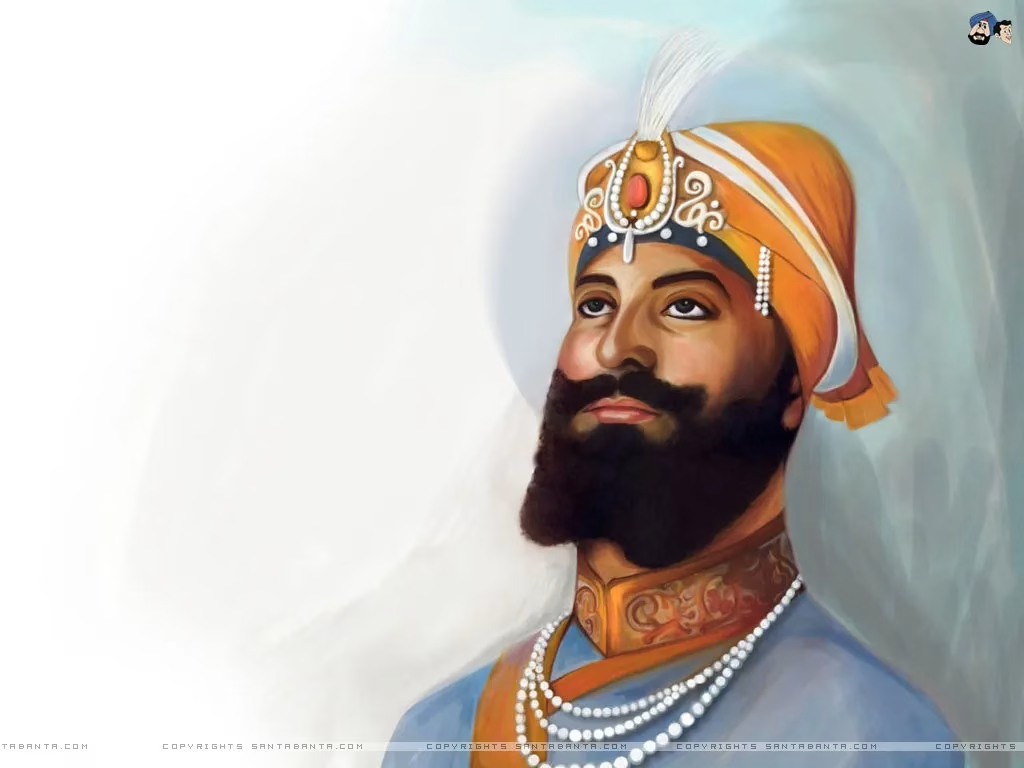
Guru Gobind Singh
Guru Gobind Singh was the tenth and last human Sikh Guru. He was a warrior, poet, and philosopher. In 1675, at the age of nine, he was formally made the leader of the Sikhs after his father Guru Tegh Bahadur—the ninth Sikh Guru—was executed by the emperor Aurangzeb
Scroll to Top