Superstitions in Sikh Society: A Cultural Exploration in Global Sikh Communities
As we trace the global migration of Sikhs on globalsikhiwiki.com—from Punjab’s heartlands to settlements in Canada, the UK, Australia, and beyond—Guru Nanak Dev Ji’s teachings remain a guiding light. Born in 1469 in Talwandi (now Nankana Sahib, Pakistan), the founder of Sikhism challenged the ritualistic and superstitious practices of his time, promoting rational devotion, equality, and ethical living. These anti-superstition stories not only reformed society in 15th-century Punjab but also equipped Sikhs with a resilient mindset for migrations. Amid challenges like discrimination in new countries or cultural adaptations, Sikhs drew from Guru Nanak’s emphasis on inner truth over blind beliefs, fostering achievements in fields like agriculture, business, and activism while building Gurdwaras as centers of rational community life. Let’s explore key stories from his life, drawn from traditional Janamsakhis (biographies) and the Guru Granth Sahib.

The Rejection of the Sacred Thread (Janeu) Ceremony
One of the earliest demonstrations of Guru Nanak’s critique of superstition occurred around 1478, when he was about nine years old. In Hindu tradition, the Janeu ceremony involves tying a sacred thread around a boy’s body as a rite of passage, symbolizing spiritual purity, caste status, and protection from evil. Families believed this thread warded off misfortune and ensured divine favor, a superstition rooted in Brahminical hierarchy.
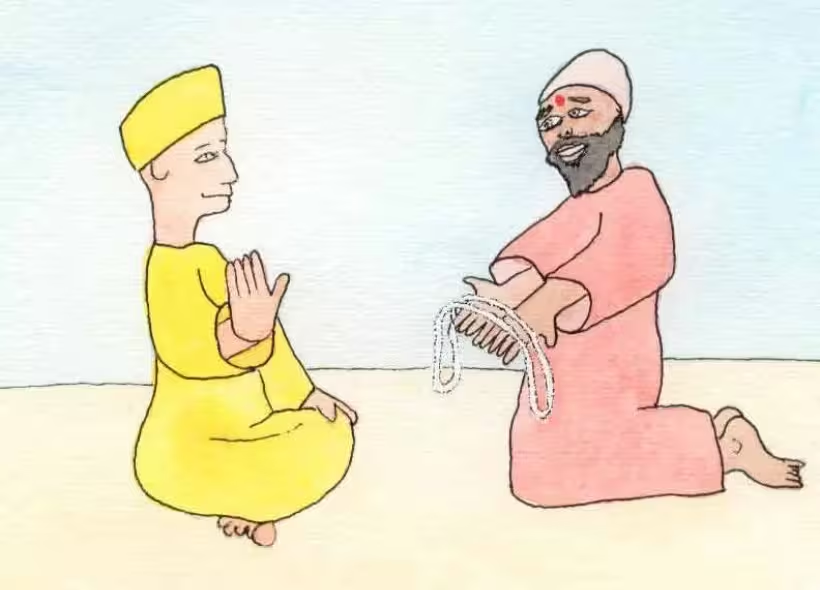
Guru Nanak refused to participate, questioning the priest: “If this thread brings purity, why not make one for the soul that doesn’t break?” He argued that true purity comes from compassion, contentment, and truth—not a fragile cotton string. This act rejected caste-based superstitions and empty rituals, emphasizing inner devotion (Naam) over external symbols. As recorded in Janamsakhis, his family was astonished, but this moment sparked his lifelong mission against irrational practices. sikhnet.com

This teaching resonated during Sikh migrations. In countries like the United States, where early 20th-century Sikh laborers faced racial exclusion (e.g., the Asiatic Barred Zone Act of 1917), adherents avoided superstitious fears, focusing instead on hard work and community building. Famous Sikhs like Bhagat Singh Thind, who fought for citizenship in 1923, embodied this rational spirit, drawing from Guru Nanak’s rejection of divisive rituals to advocate equality. sikhiwiki.org
The Immersion in the Bein River: A Declaration Against Sectarian Rituals
Around 1499–1504, while working as a storekeeper in Sultanpur Lodhi under a local Muslim governor, Guru Nanak experienced a profound event that directly challenged ritualistic divisions. He would bathe daily in the Bein River for meditation. One morning, he immersed himself and disappeared for three days, presumed drowned by villagers gripped by superstitious fears of spirits or divine punishment.
Emerging unscathed, he proclaimed: “Na koi Hindu, na koi Musalman” (There is no Hindu, no Muslim)—a rejection of sectarian labels and the rituals that divided them, like Hindu pilgrimages or Islamic ablutions without inner sincerity. This story, central to Sikh lore, underscores that true spirituality transcends superstitious boundaries, focusing on universal humanity and devotion to one God (Ik Onkar).

In global contexts, this message aided Sikhs in multicultural settlements. During the 1984 anti-Sikh violence in India, which spurred migrations to places like the UK, survivors rebuilt lives through Gurdwaras emphasizing unity over fear-based rituals. Achievements like those of Canadian Sikh politician Jagmeet Singh reflect this: rising above adversity with rational advocacy, free from superstitious hindrances. barusahib.org
Challenging Rituals at Hardwar: The Water-Throwing Incident
During his Udasis (travels) around 1500–1520s, Guru Nanak visited Hardwar (now Haridwar), a Hindu pilgrimage site where devotees offered water to the rising sun, believing it reached their ancestors in heaven—a superstition tied to appeasing spirits and ensuring familial prosperity.
Observing the crowd throwing water eastward, Guru Nanak began splashing water westward toward his fields in Punjab. When questioned, he replied: “If your water reaches the sun millions of miles away, surely mine can reach my farm just a few hundred miles away!” This witty act exposed the futility of mechanical rituals without moral intent, teaching that true offerings are through ethical actions and remembrance of God, not directional superstitions. sikhiwiki.org

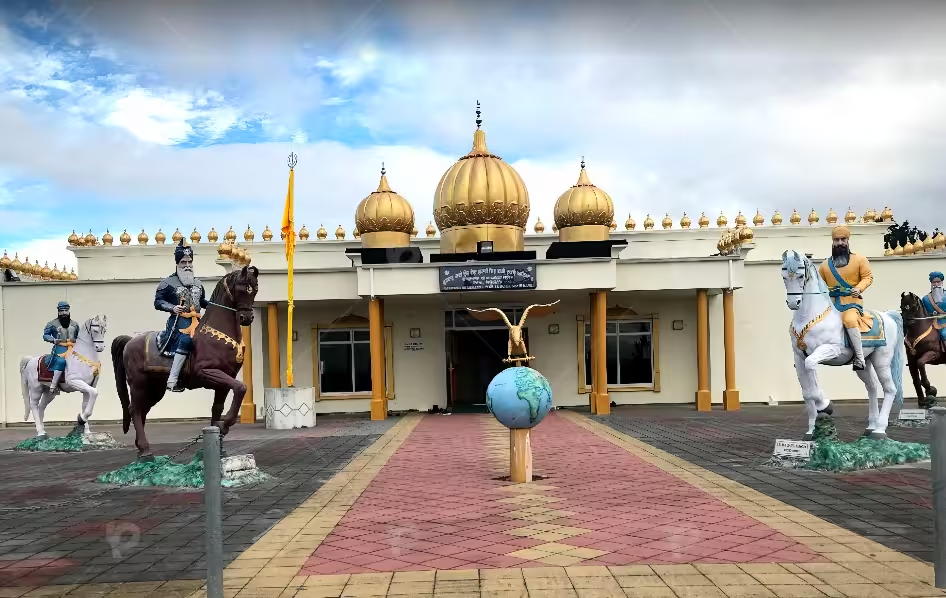
This story influenced Sikh cultural transformations abroad. In Australia, where Sikhs settled as camel drivers in the 1800s facing isolation and prejudice, they established Gurdwaras like the one in Woolgoolga, promoting community service over ritualistic fears. Difficulties, such as post-9/11 turban-related discrimination in the US, were met with education campaigns inspired by Guru Nanak’s rational challenges, leading to successes like the first Sikh American Attorney General, Gurbir Grewal.
Guru Nanak's Defiance at Kurukshetra: Rejecting Eclipse Superstitions for Rational Faith
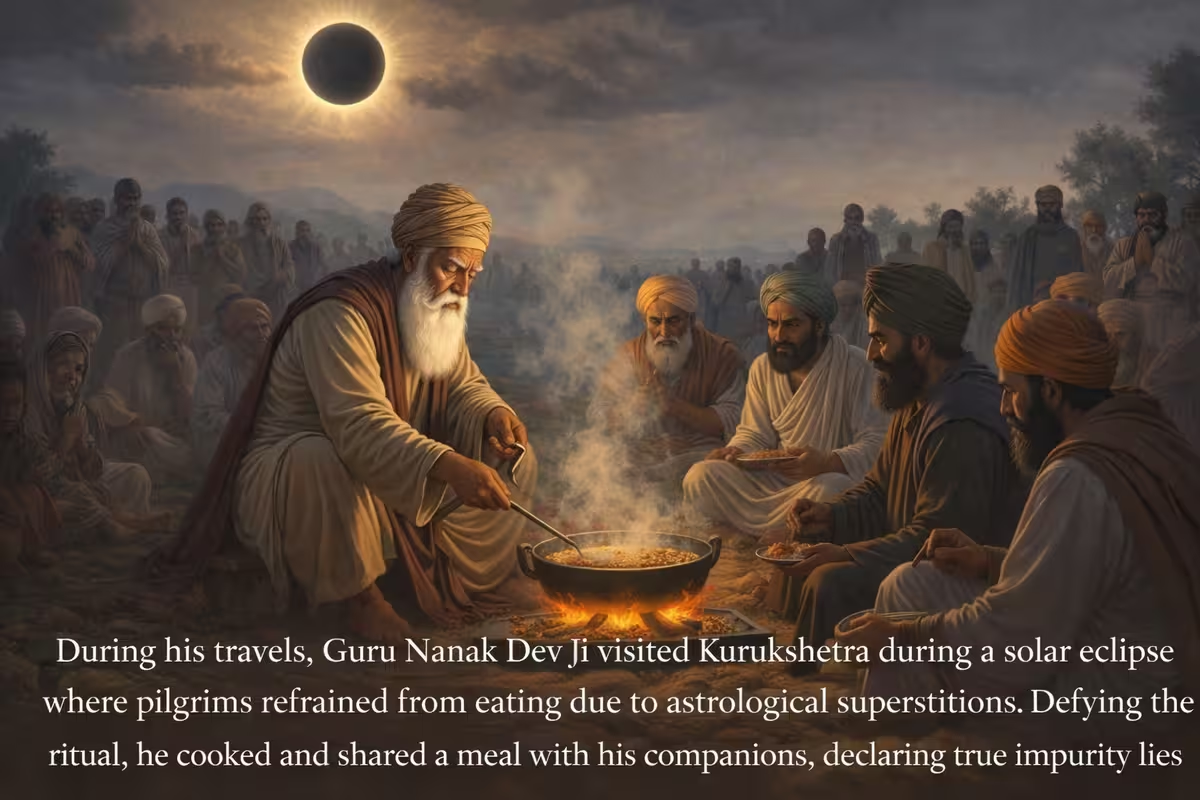
During his travels, Guru Nanak Dev Ji visited Kurukshetra during a solar eclipse, where pilgrims abstained from eating, believing the celestial event rendered food impure and invited misfortune—a widespread superstition tied to astrological fears. Defying this ritualistic taboo, Guru Nanak openly cooked and shared a meal with his companions, declaring that true impurity lies in the mind, not in external phenomena, and that devotion to Waheguru transcends such irrational observances. This act, chronicled in Janamsakhis, underscored Sikhism’s emphasis on rational faith and inner spirituality, inspiring Sikhs worldwide to reject folk beliefs amid migrations. In diaspora communities, from early 20th-century settlements in Canada facing cultural isolation to modern achievements like establishing Gurdwaras in Nairobi amid post-colonial challenges, this teaching fostered resilience, turning difficulties into triumphs through ethical living over superstitious hindrances. He said, “We should not eat the food which harms the body, makes it sick and leads mind astray. Only that food is good which keeps the body healthy and the mind pure”. discoversikhism.com
Guru Nanak Dev Ji and the astrologer
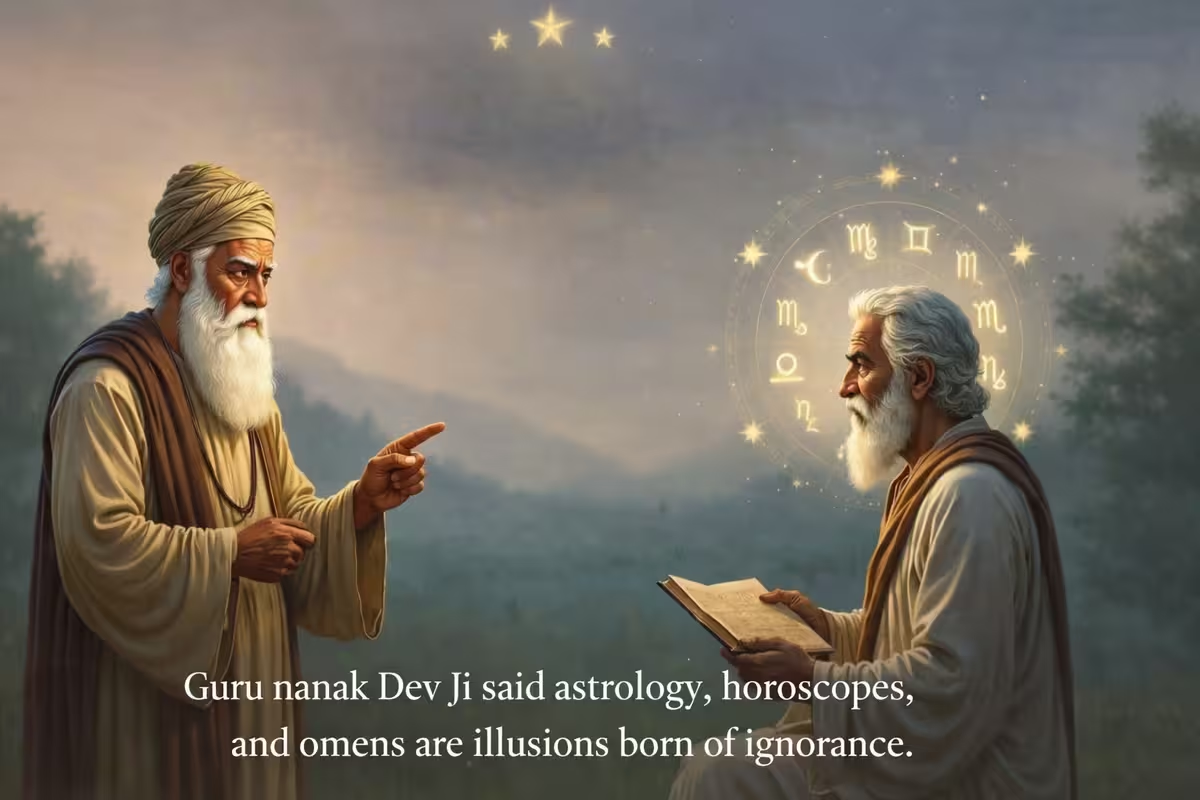
Guru Nanak also spoke against astrology, horoscopes, and omens, dismissing them as illusions born of ignorance. In his early life, when an astrologer attempted to cast his horoscope, the young Nanak questioned the futility of celestial predictions, teaching that destiny is shaped by karma and divine will, not stars. Gurbani reinforces this: “Good omens and bad omens affect only those who do not keep the Divine Wisdom in mind” (SGGS p401).
Guru Nanak's rejection of asceticism
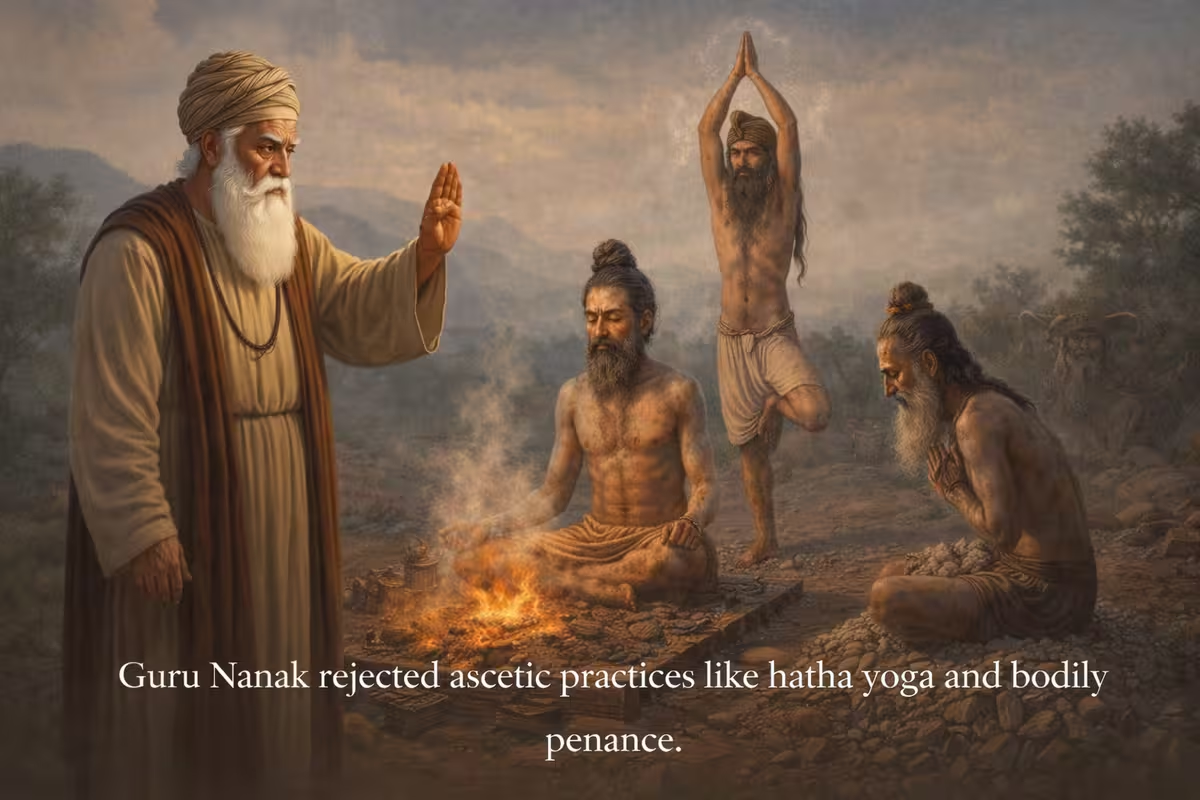
Additionally, Guru Nanak rejected ascetic practices like hatha yoga and bodily penance, arguing they cause unnecessary suffering without spiritual benefit. At Achal Vatala, he debated yogis who boasted of supernatural powers (siddhis), declaring such feats meaningless without inner purity: “You may practice chanting, penance and austere self-discipline within your mind, but without the Name, life is useless” (SGGS p86).
Guru Nanak rejects fasting rituals
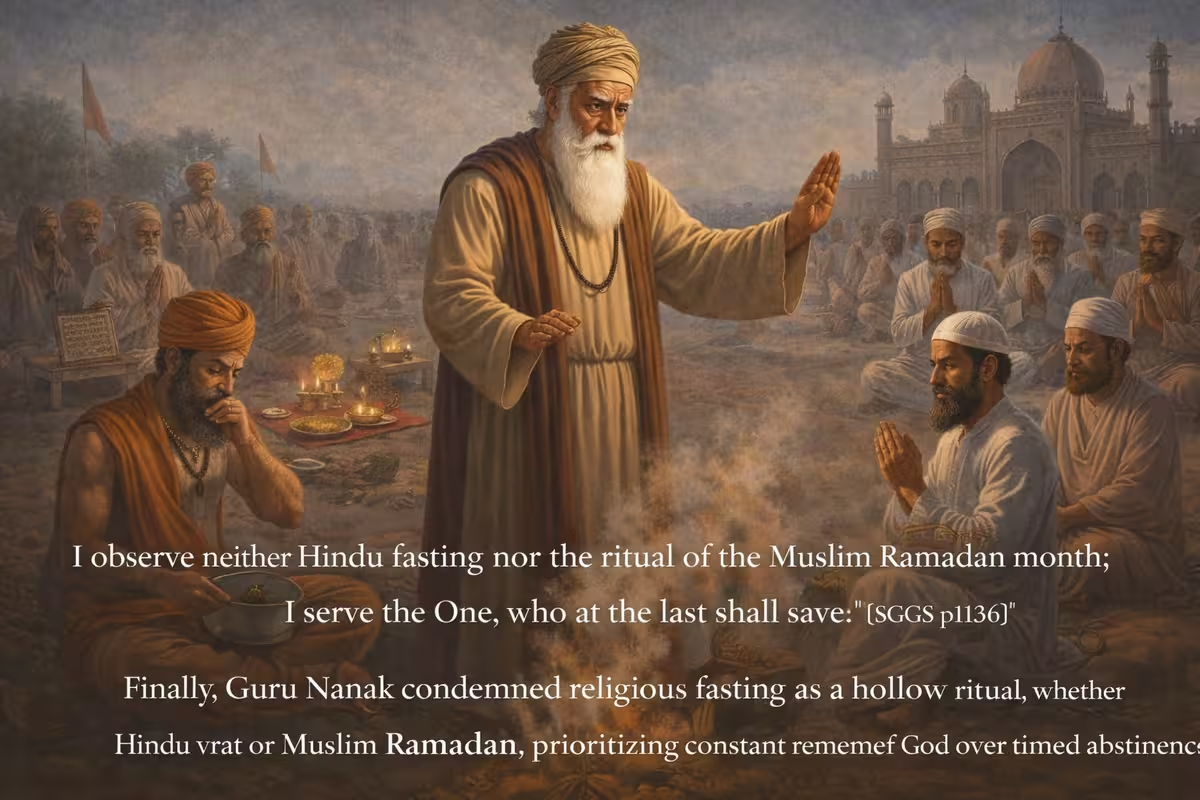
Finally, Guru Nanak condemned religious fasting as a hollow ritual, whether Hindu vrat or Muslim Ramadan, prioritizing constant remembrance of God over timed abstinences. In Gurbani: “I observe neither Hindu fasting nor the ritual of the Muslim Ramadan month; I serve the One, who at the last shall save” (SGGS p1136).
Broader Teachings Against Superstitions in Gurbani
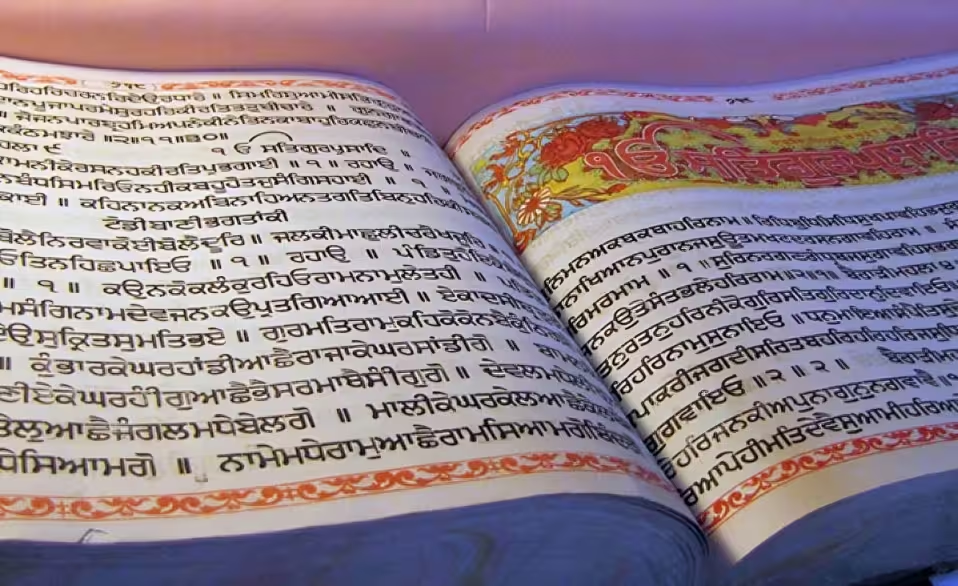
Guru Nanak’s compositions in the Guru Granth Sahib further denounce superstitions. In Asa Di Var, he rejects “sutak” (ritual impurity after childbirth), calling it ignorance: “If impurity exists, it is in the mind.” He critiques lucky/unlucky days in shabads like: “Nanak soyee dinus suhavrra jit Prabh aavay chit” (Only the day remembering God is auspicious). Astrology, omens, and black magic are dismissed as illusions born of ego (haumai).
These principles helped Sikhs navigate global challenges rationally. In Africa, early 20th-century Sikh railway workers in Kenya built enduring communities, like Nairobi’s Gurdwara, by prioritizing education over superstitions, leading to prominent figures in business and politics.
Guru Nanak’s stories remind us that Sikh migrations thrived on rationality, turning difficulties into achievements. From famous Sikhs like astronaut Kalpana Chawla to everyday settlers, his anti-superstition legacy fosters cultural resilience worldwide. Explore more on globalsikhiwiki.com about how these teachings shaped Sikh settlements in every continent.