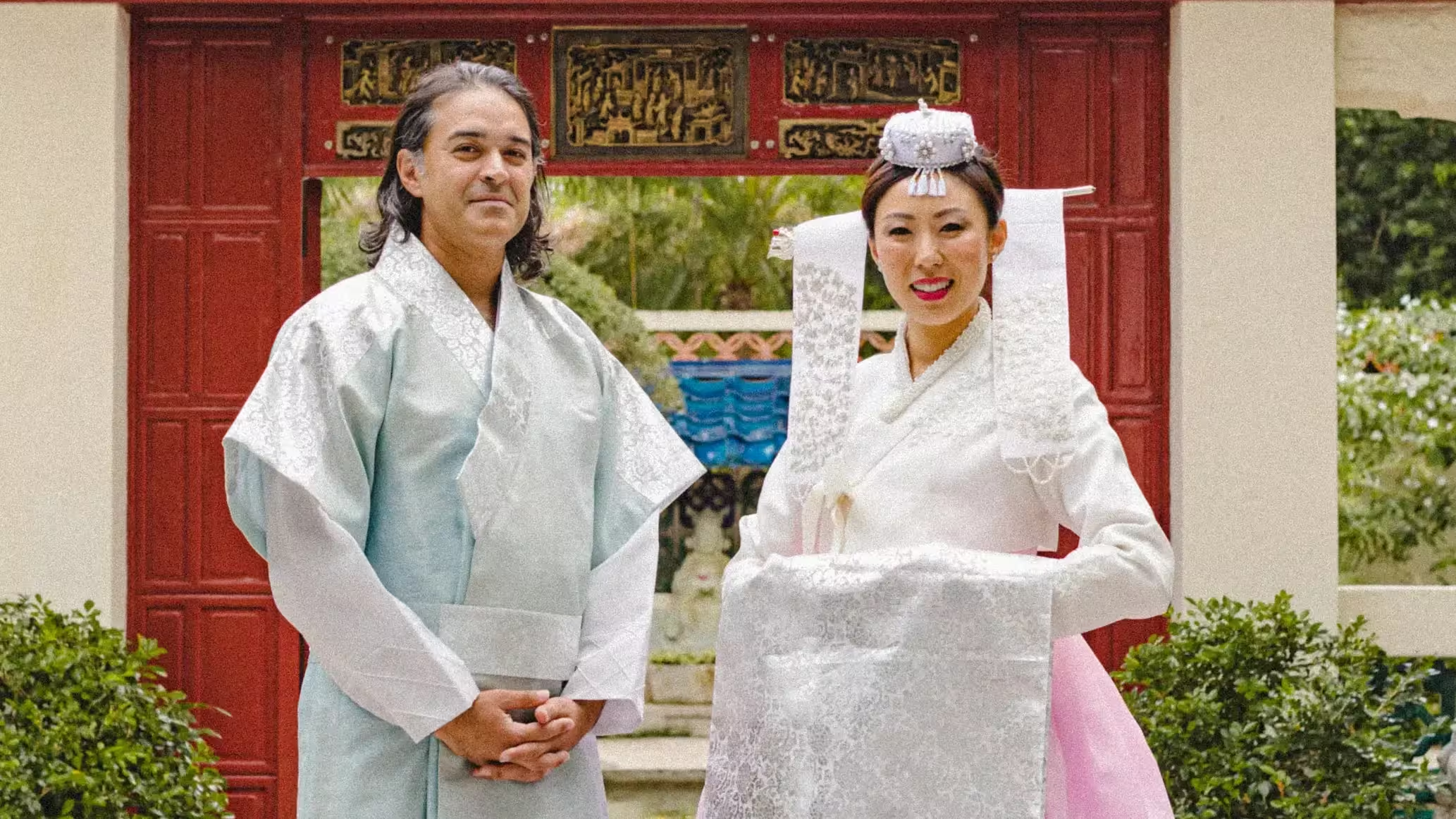
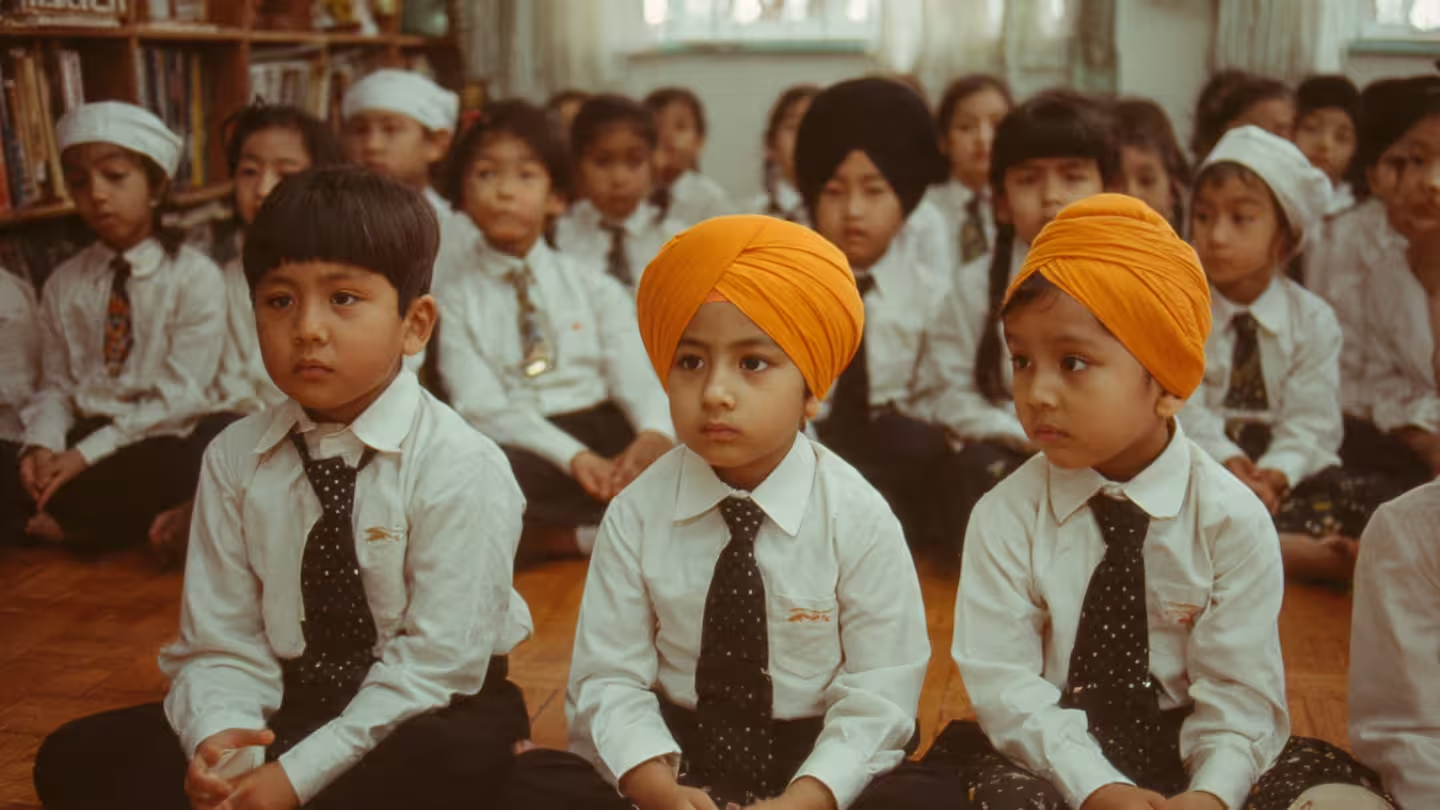
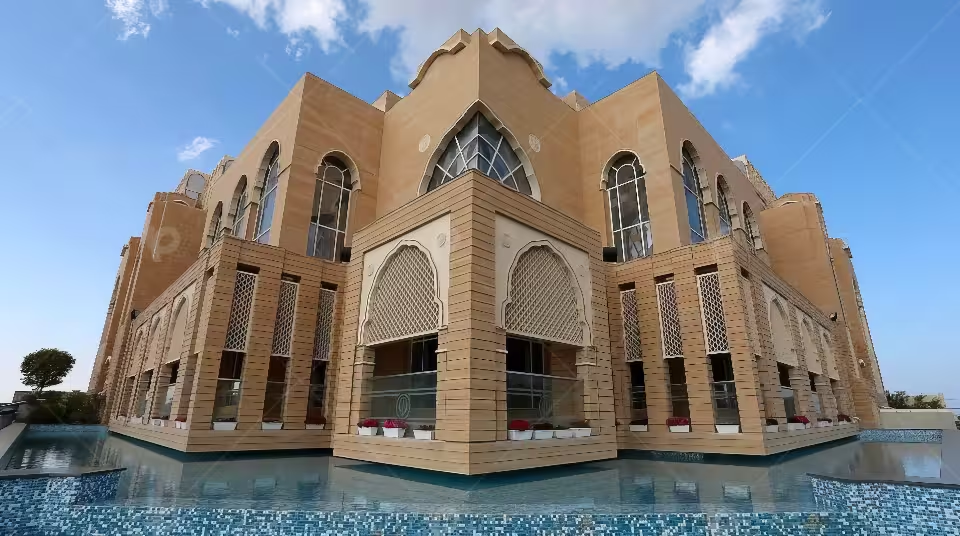
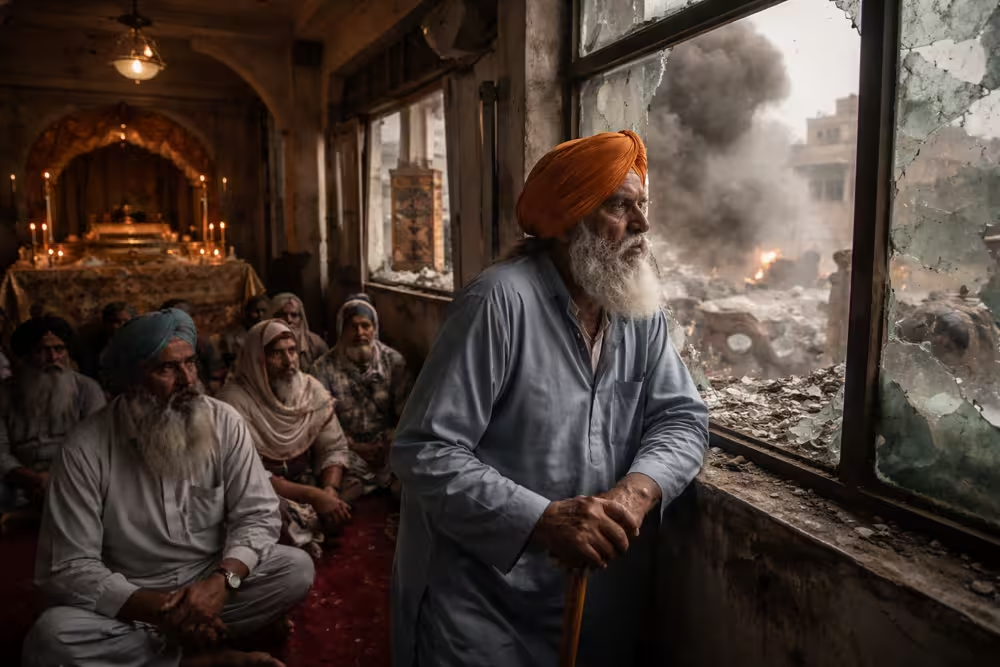
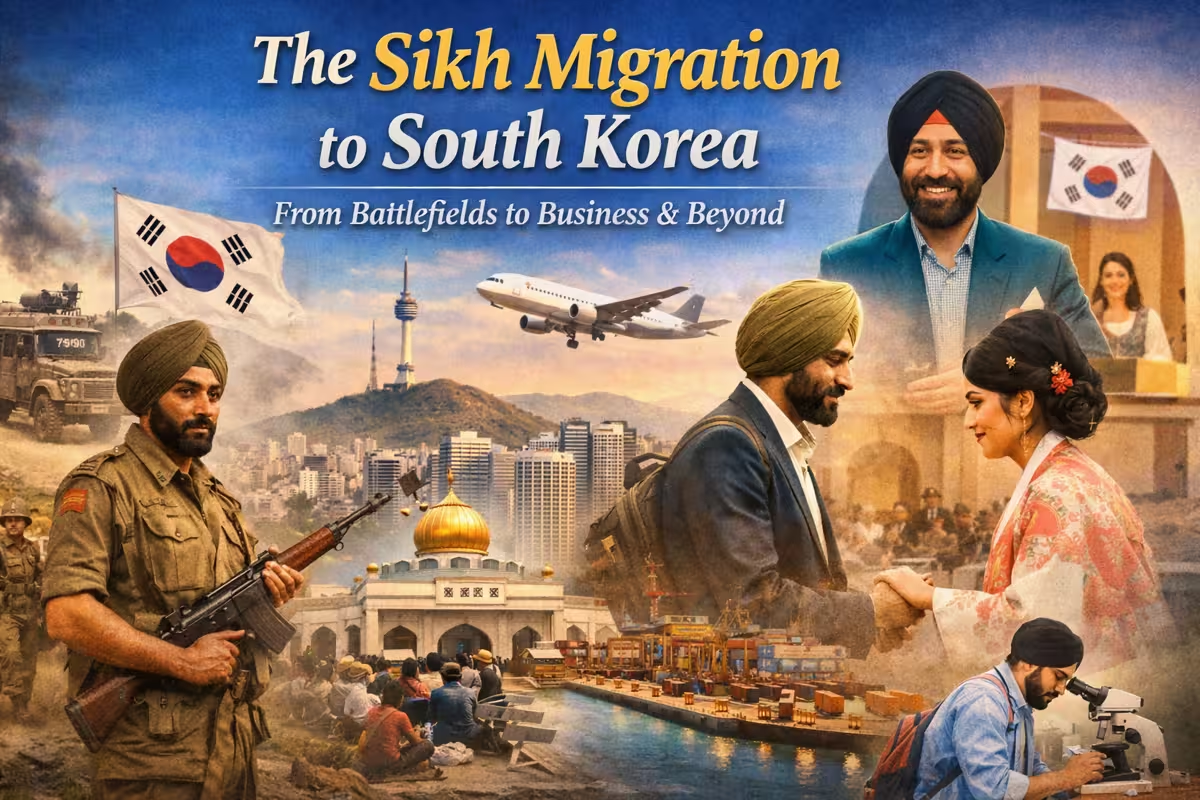
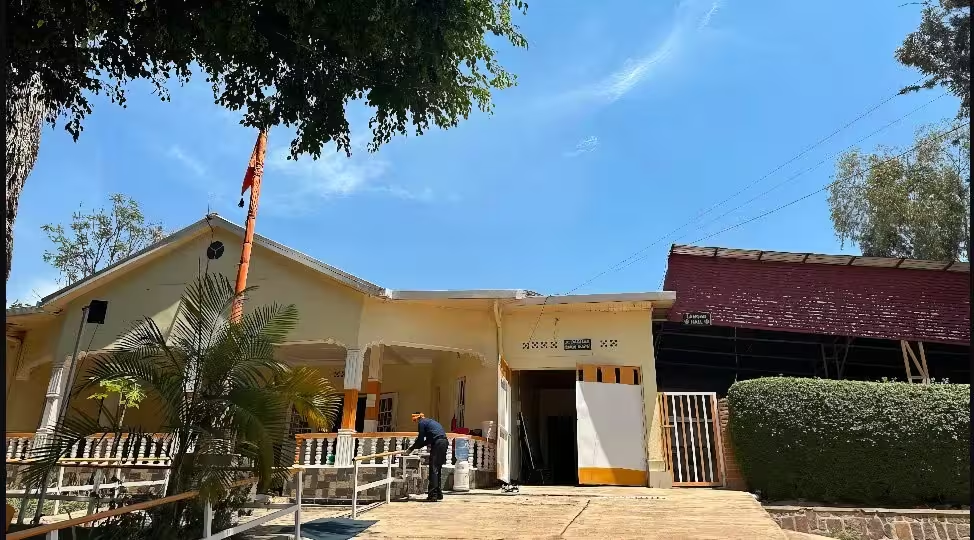
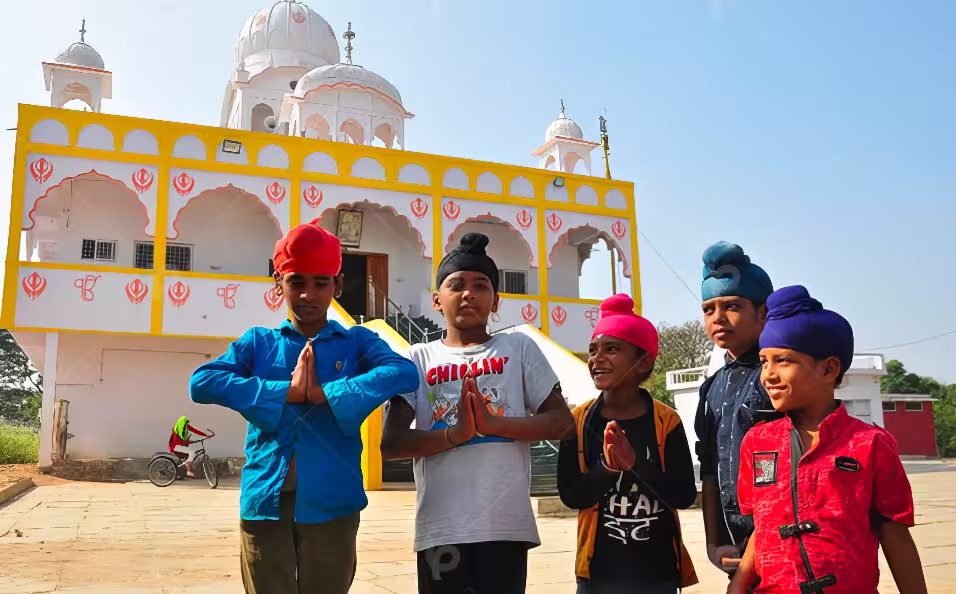
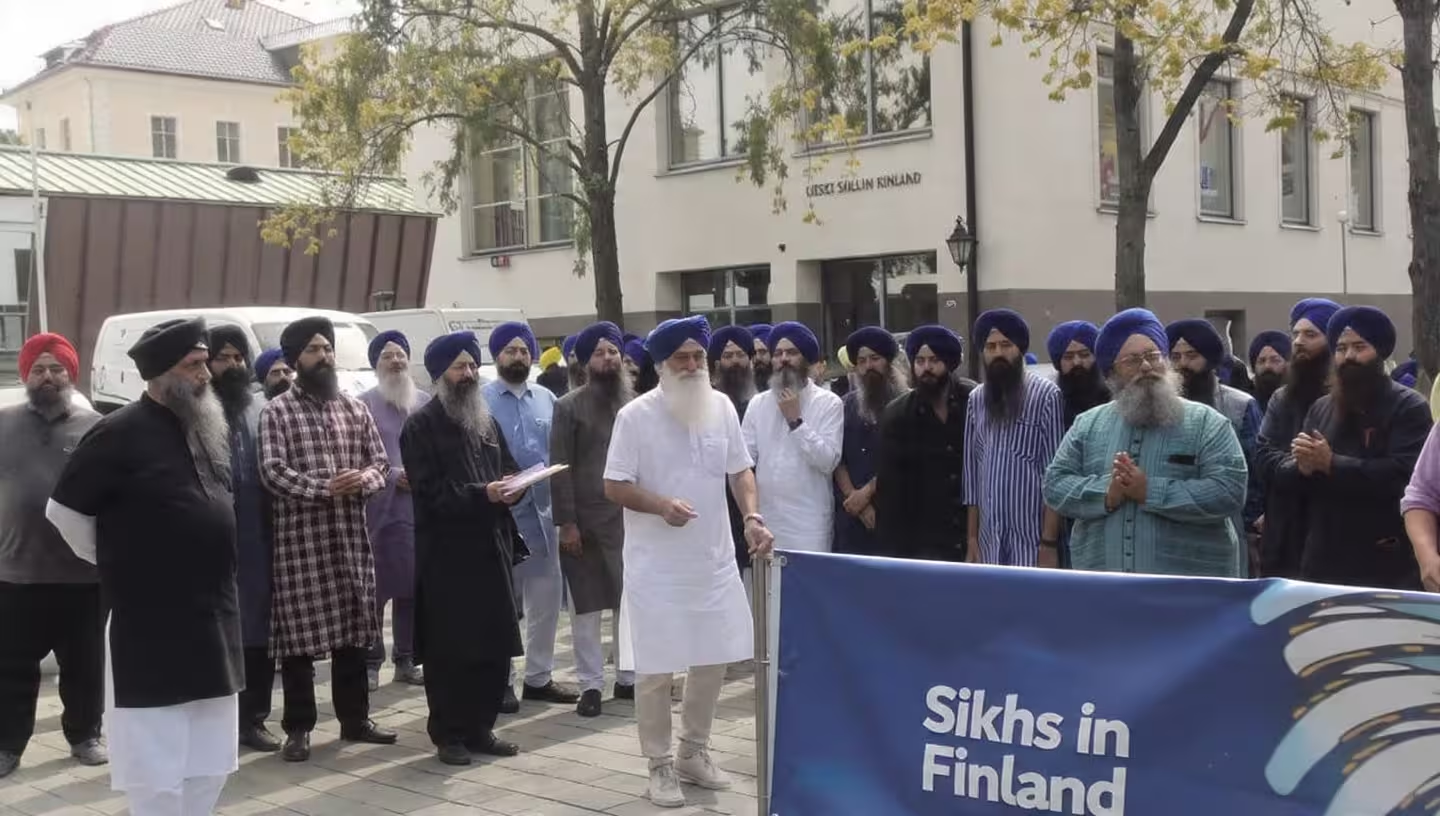
In the grand narrative of Sikh migration, where the resilient spirit of Punjab’s people has traversed oceans and continents since the 19th century, the chapter on South Korea stands as a testament to quiet perseverance and cultural adaptation. Far from the historic Gurdwaras of Amritsar or the bustling communities in East Africa, Sikhs in South Korea—a nation reborn from colonial rule and economic miracles—have carved a niche in a land of skyscrapers, ancient palaces, and technological innovation. This comprehensive exploration for globalsikhiwiki.com delves into the historical movements, settlement patterns, occupations, cultural transformations, famous figures, Gurdwaras, difficulties, achievements, intercultural marriages, family life, and the experiences of Sikh children and students in Korean schools. Through personal stories and broader insights, we uncover how a small community of around 550-600 Sikhs embodies Guru Nanak’s teachings of equality, seva (selfless service), and unity amid diversity. As South Korea evolves into a multicultural hub, the Sikh diaspora adds a vibrant layer to its social fabric, proving that faith transcends borders.
The roots of Sikh migration to South Korea trace back to the mid-20th century, shortly after the country’s independence from Japanese colonial rule in 1945. Early pioneers, primarily from Punjab, arrived as traders and businessmen, exporting Korean textiles to India and the Middle East. However, strict residency and visa restrictions under South Korea’s early policies forced many to return home, limiting permanent settlements. This initial wave mirrored broader Sikh diaspora patterns, where economic opportunities drew communities to new frontiers, much like the railway builders in East Africa or laborers in North America.
The significant influx occurred in the 1980s, coinciding with South Korea’s rapid industrialization and “economic miracle.” Facing labor shortages in agriculture, manufacturing, and construction, the country welcomed skilled workers from abroad. Punjabi Sikhs, known for their diligence and adaptability, migrated in modest numbers, often entering on temporary visas. Many started in rural farming communities, leveraging agricultural expertise from Punjab’s fertile plains to contribute to Korea’s food production. Over time, as families formed through intermarriages with local Koreans, some Sikhs transitioned to urban areas, establishing roots that have endured for over 50 years in some cases.
By the 2000s, the Sikh population stabilized at around 550-600, concentrated in provinces like Gyeonggi and urban centers such as Seoul. This migration differed from larger Sikh communities in countries like Canada or the UK; it was smaller, more recent, and tied to Korea’s shift from a developing nation to a global tech powerhouse. Today, Sikhs continue to arrive for opportunities in IT, entrepreneurship, and education, drawn by Korea’s innovation hubs and stable economy. This historical movement reflects the Sikh ethos of chardi kala (eternal optimism), turning challenges like visa barriers into stepping stones for integration.