Sikhs in Rwanda: From Punjab to the Heart of Africa
Welcome to Global Sikhi Wiki, your comprehensive resource for exploring Sikh history, culture, and communities. Today, we delve into the vibrant story of Sikhs in Rwanda.
In the rolling green hills of Rwanda, often called the “Land of a Thousand Hills,” a quiet yet profound story of migration, faith, and community unfolds. Far from the bustling fields of Punjab, a small group of Sikhs has carved out a home in this East African nation, embodying the timeless Sikh principles of seva (selfless service), equality, and resilience. This is the tale of how Sikhs arrived in Rwanda, built their spiritual anchor—the Guru Nanak Darbar in Kigali—and navigated challenges while contributing to a country healing from its past. It’s a narrative that highlights the global reach of the Sikh diaspora, showing how Guru Nanak’s teachings thrive even in the most unexpected places.
The Call of Opportunity: Migration from India to Rwanda
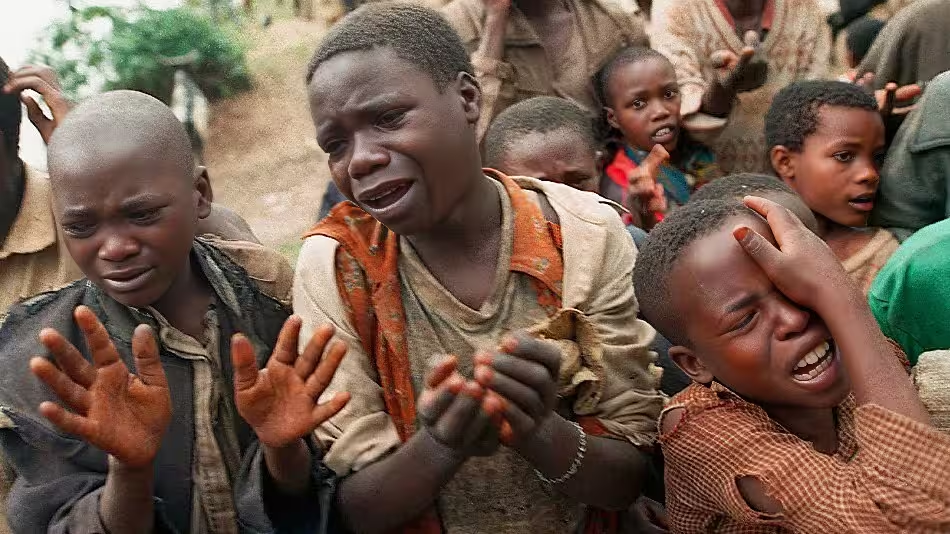
Our story begins in the early 2000s, when Harpreet Singh, a young engineer from Amritsar, Punjab, first heard about Rwanda’s rapid reconstruction. The 1994 genocide had left the nation scarred, but under visionary leadership, Rwanda was rising as a hub for investment and innovation. Harpreet, like many in the Indian diaspora, saw potential in the country’s booming sectors: construction, technology, and trade. “I came for work, but stayed for the people,” he would later recall, echoing the experiences of dozens of Sikh families who followed similar paths.
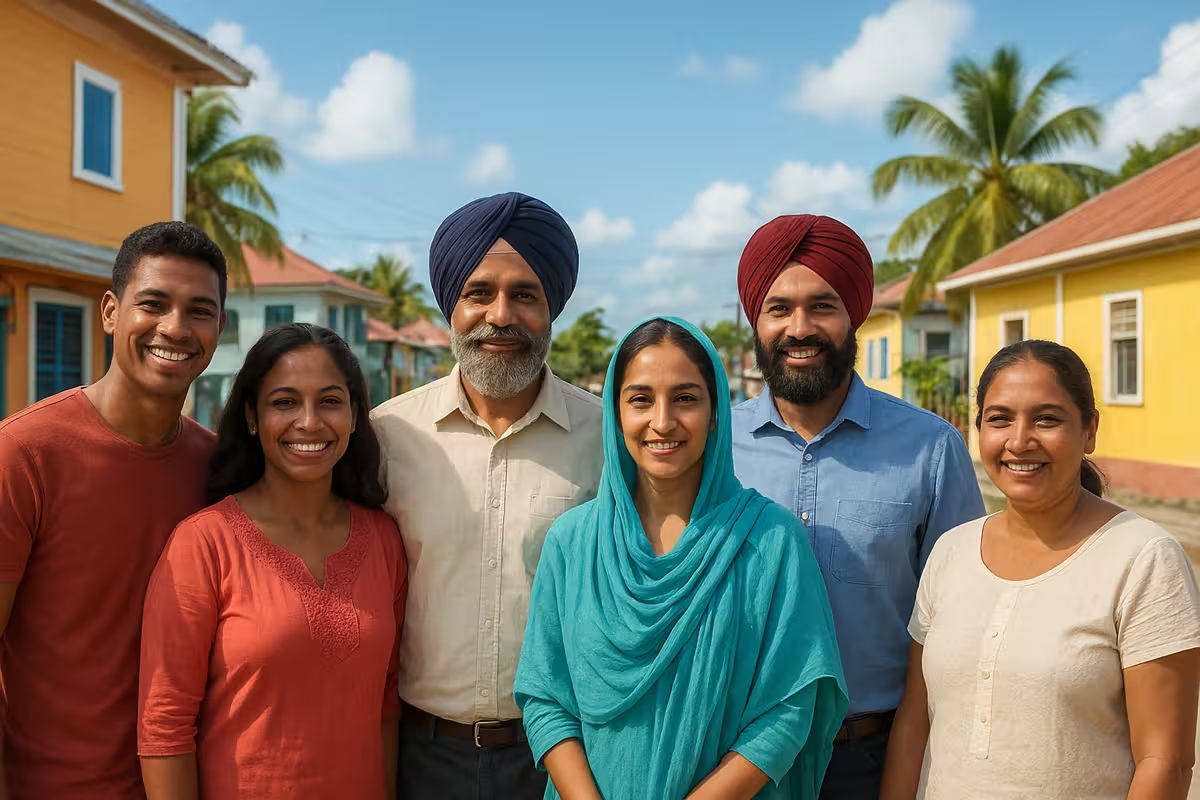
Sikh migration to Rwanda differs from the historic waves to neighboring East African countries like Kenya and Uganda, where Sikhs arrived as British colonial laborers in the late 19th century to build railways. In Rwanda, the influx was more recent, tied to post-genocide recovery and economic ties between India and Africa. Many Sikhs, part of the broader Indian community of about 3,000-4,000 in Rwanda, arrived via business visas or through networks in Nairobi. They brought skills in engineering, entrepreneurship, and hospitality, settling primarily in Kigali, the capital city. Today, the Sikh population remains modest—estimated at 50-100 individuals—but their impact belies their numbers. gurdwarasofafrica.com
Building a Spiritual Home: The Birth of Guru Nanak Darbar
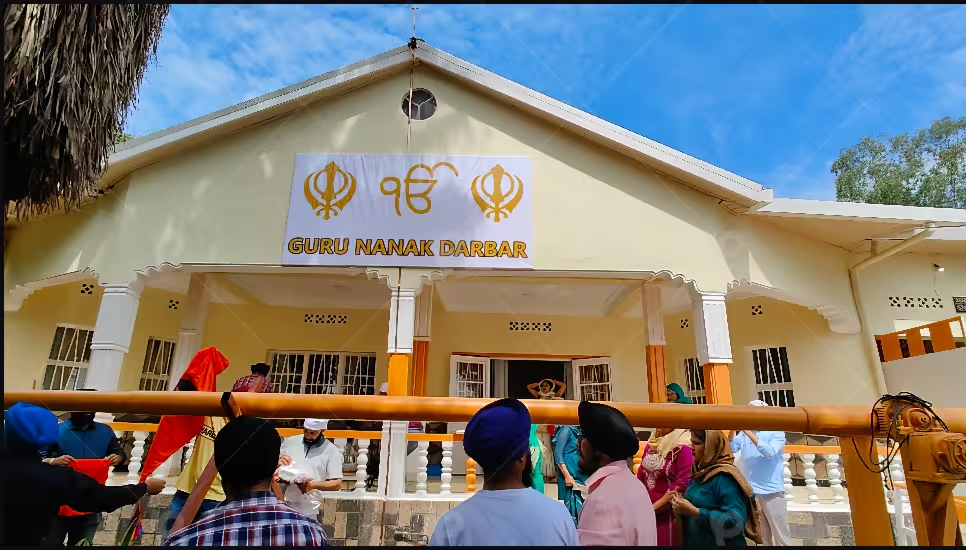
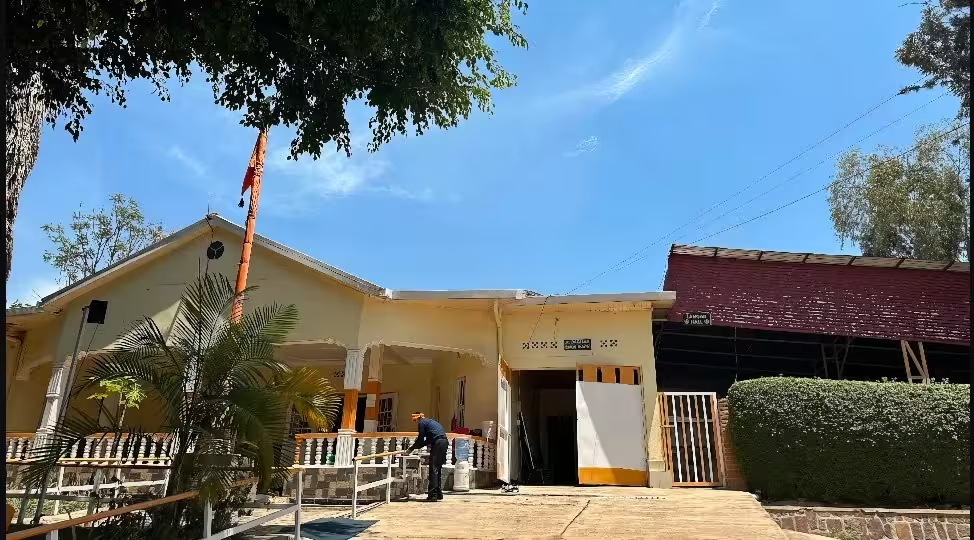
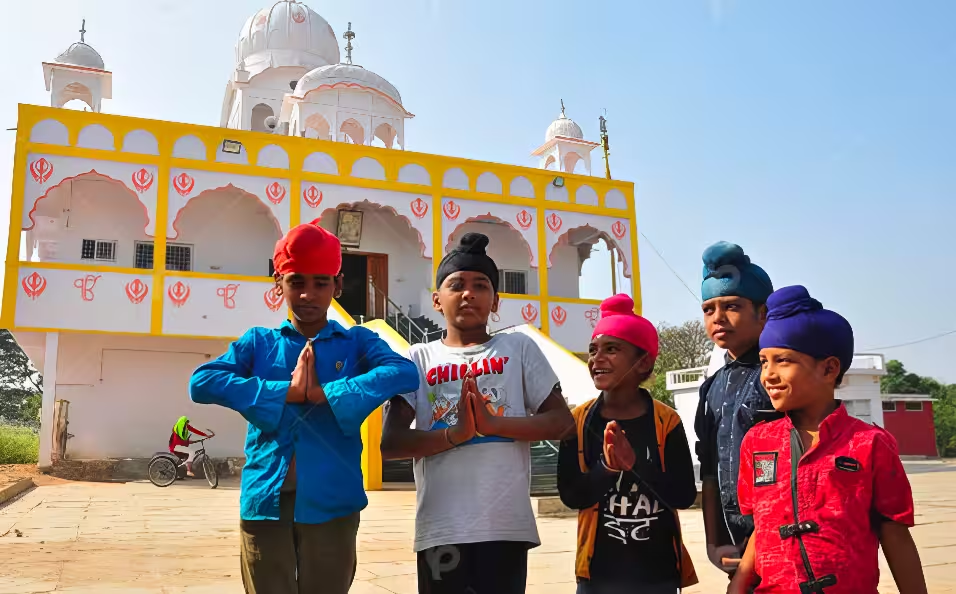
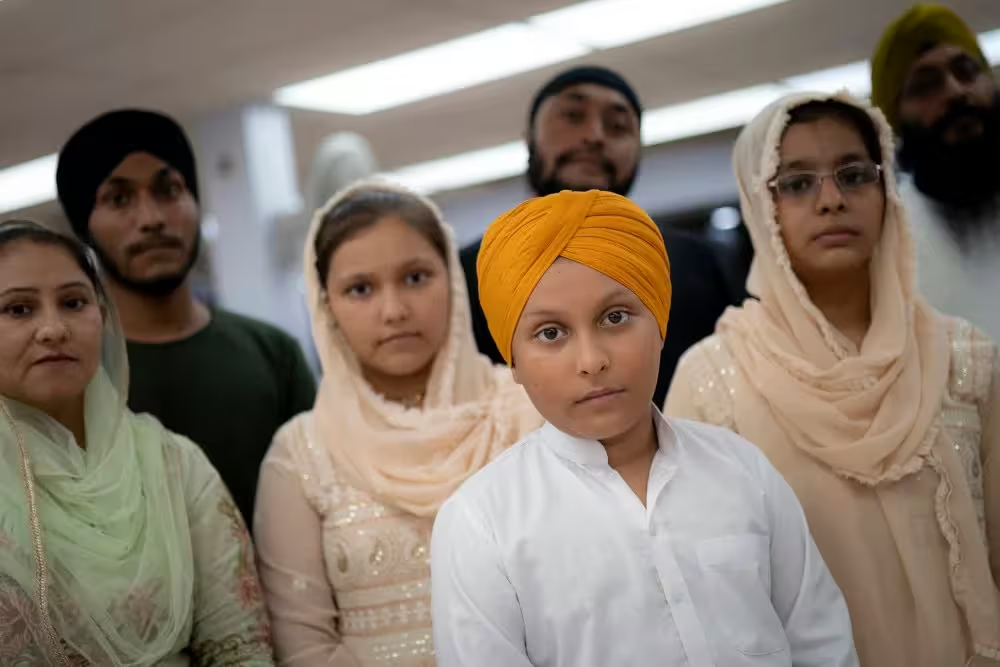
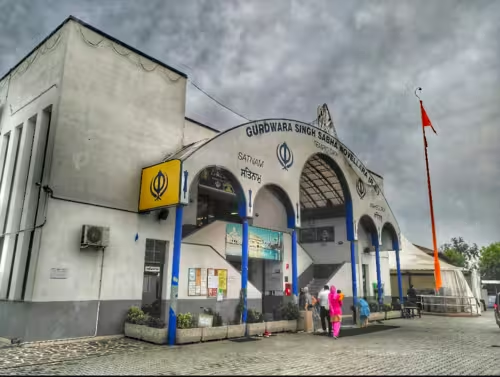
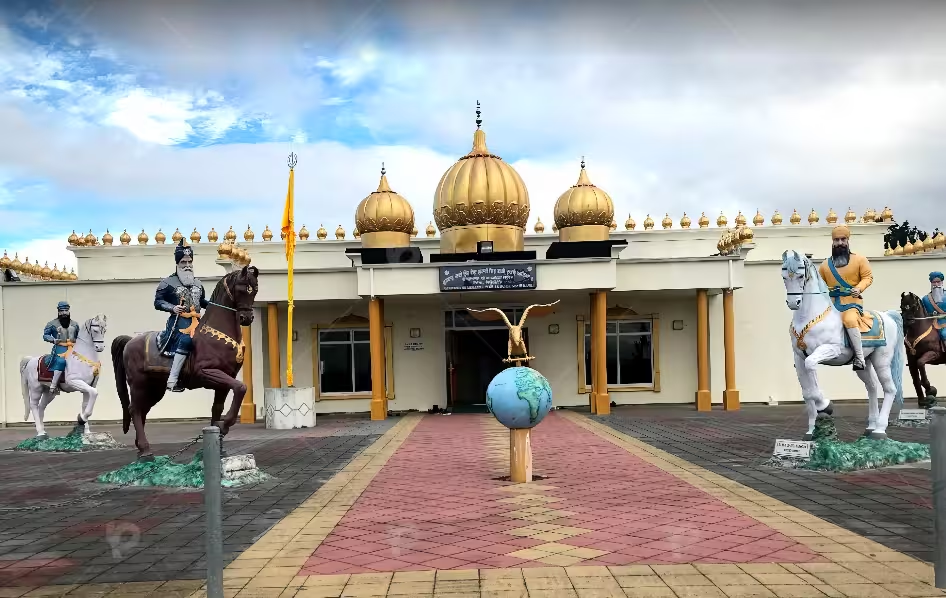
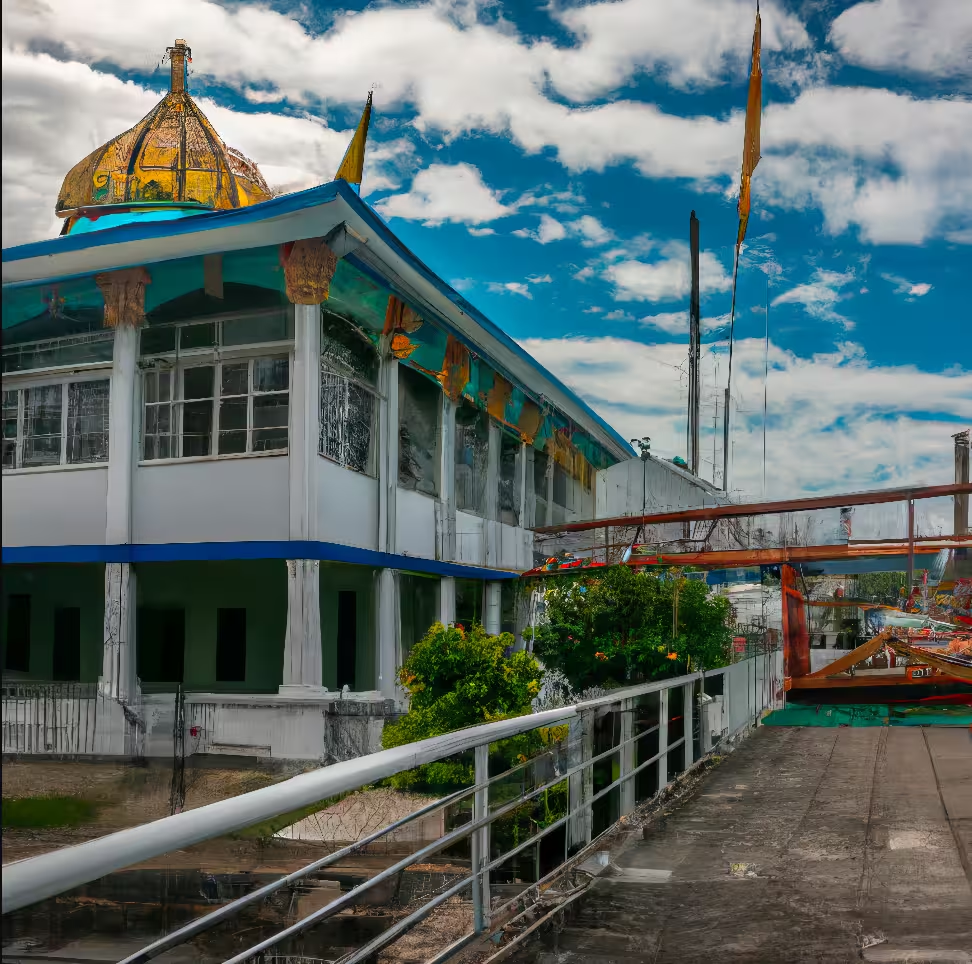
In the heart of Kigali’s Nyarutarama neighborhood, at KG 284 Street, House No. 5, stands Guru Nanak Darbar, Rwanda’s only Gurdwara. This humble yet welcoming temple wasn’t always there. In the early days, Sikhs gathered in private homes for prayers and langar (community meals), longing for a dedicated space to practice their faith.
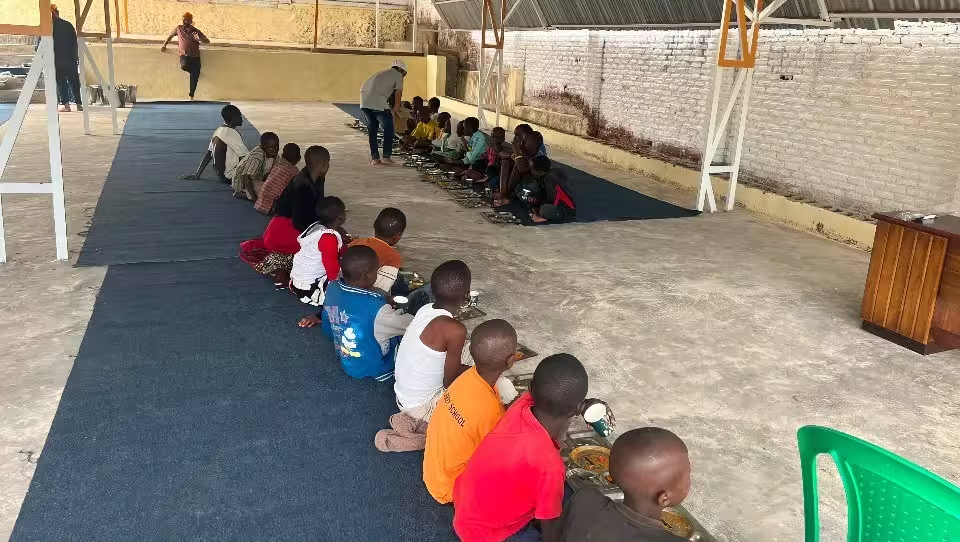
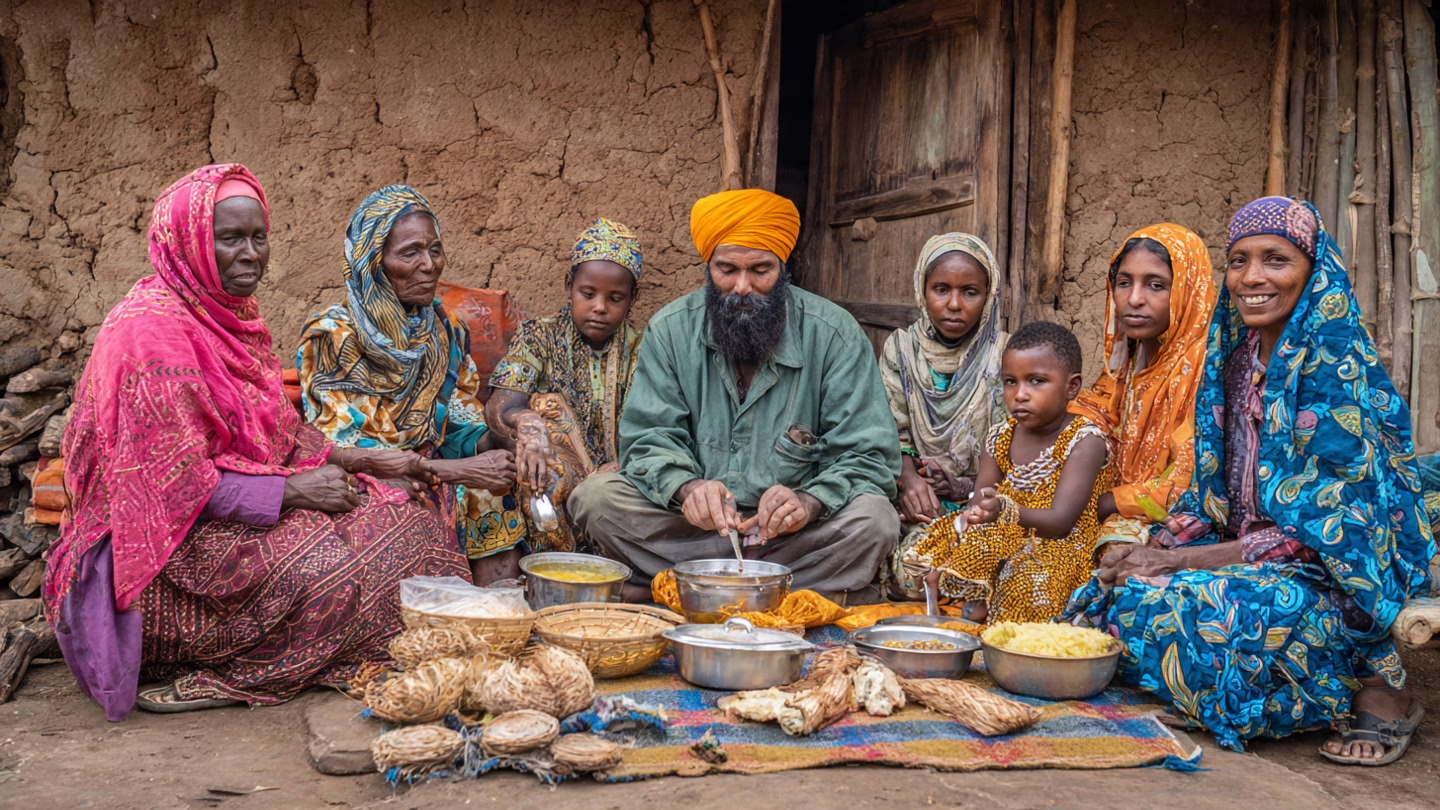
The turning point came in 2010, when community leaders, inspired by the Sikh tradition of collective effort, pooled resources to establish the Gurdwara. “It was like planting a seed of Punjab in African soil,” says one founder, reflecting on the challenges of importing materials for the Nishan Sahib (Sikh flag) and setting up a langar kitchen in a land where Punjabi ingredients were scarce. Today, Guru Nanak Darbar serves as a spiritual hub, hosting weekly kirtan (devotional singing), celebrations of Gurpurabs (Sikh festivals), and seva initiatives that extend to local Rwandans. Visitors from around the world, including travelers and diplomats, often stop by, drawn by the open doors and the aroma of fresh chapatis.
Harpreet’s family became regulars here. His wife, Jaspreet Kaur, started teaching Punjabi to the younger generation during Sunday gatherings, ensuring cultural ties remained strong. The Gurdwara also fosters interfaith harmony, inviting Rwandan neighbors—mostly Christians and Muslims—to share in langar, mirroring Rwanda’s national emphasis on unity and reconciliation. unep.org