Sikhs in Portugal: A Growing Community in the Land of Explorers

Welcome to Global Sikhi Wiki, your comprehensive resource for exploring Sikh history, culture, and  communities. Today, we delve into the vibrant story of Sikhs in Portugal, India 

In the westernmost corner of Europe, where the Atlantic Ocean meets historic shores, a vibrant Sikh community has taken root and flourished. The story of Sikhs in Portugal is one of quiet determination, entrepreneurial spirit, and unwavering faith far from Punjab’s sacred soil.

Research suggests that the Sikh community in Portugal, while small, has made significant contributions through acts of service and cultural integration, though it faces challenges like language barriers and economic adaptation. Evidence leans toward a population growth from around 5,000 in the early 2000s to about 35,000 today, primarily driven by migration from Punjab for work opportunities. The community appears resilient, with active participation in local events and humanitarian efforts, but broader recognition of famous individuals remains limited, highlighting ongoing integration dynamics.

Key Points of Sikh Migration

  • Migration and Growth: Sikhs began arriving in the 1990s amid Portugal’s construction boom, expanding into agriculture, hospitality, and retail; estimates vary but indicate steady increase without major controversies.
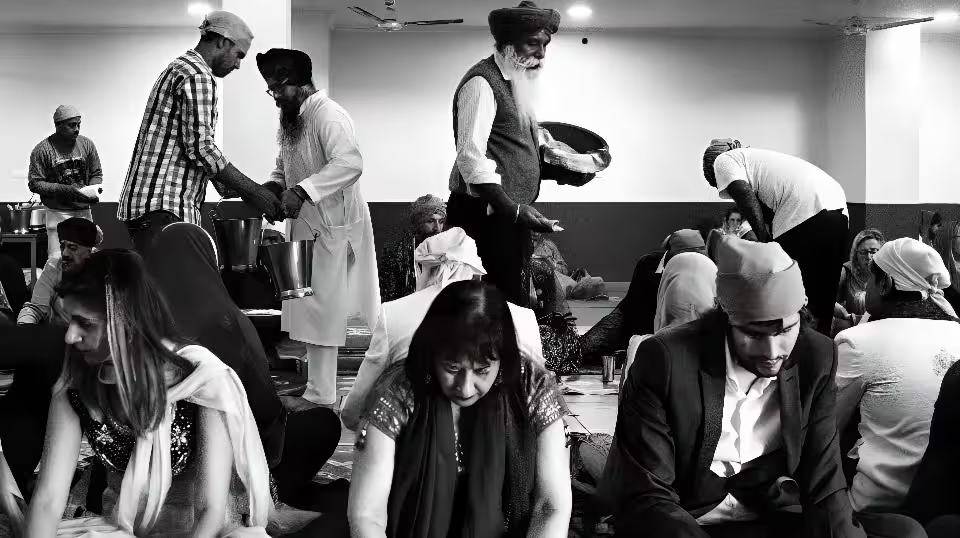
  • Community Contributions: Known for seva (selfless service), including aid during crises like COVID-19 and fires, fostering positive local ties.
  • Cultural Presence: Three main Gurdwaras serve as hubs, with events like Vaisakhi parades drawing thousands, promoting Sikh values in a welcoming European context.
  • Challenges and Opportunities: While integrated in some areas, issues like limited Portuguese proficiency persist, yet entrepreneurial spirit drives progress.

Remarkable Stories of Sikhs in Portugal

Portugal’s Sikh community, though relatively young, has inspiring tales of resilience and service that capture the essence of Sikh principles like seva (selfless service) and chardi kala (eternal optimism). One standout story is from the COVID-19 pandemic: In 2020, Sikh volunteers, supported by local Gurdwaras, bravely delivered essential supplies to quarantine centers across the country, reaching over 1,800 stranded Indians despite risks. As India’s envoy to Portugal noted, these “brave” community members embodied Sikh ethos by stepping up when others couldn’t. Another remarkable account comes from 2008, when Portuguese police chose not to arrest a Sikh man carrying a kirpan (ceremonial dagger) exceeding legal blade limits, recognizing its religious significance—a rare moment of cultural understanding in Europe. More recently, in 2024, the community organized blood donation camps and sent aid to fire-affected areas, drawing participants from across Europe and reinforcing their commitment to humanitarianism. These stories highlight how Sikhs, starting as laborers in the 1990s construction boom, have built thriving lives while enriching Portuguese society. bagichablog.com , wionews.com

Brave' Indian Sikh community taking food to Portugal during Covid
Brave' Indian Sikh community members went to quarantine centers to deliver mission's supplies: Indian envoy to Portugal

Remarkable Stories of Sikhs in Portugal

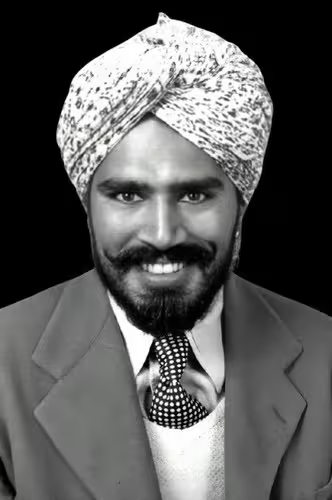
While the community is still emerging, several Sikhs have gained recognition in sports and community leadership. Navreet Singh, a former Pakmen volleyball star, now plays in Portugal’s pro league, standing out for his athleticism and cultural pride—often wearing a patka (under-turban) on the court. Teja Singh, a young football talent, has made waves with his game intelligence and dedication, representing the diaspora’s potential in European sports. Community figures like those leading Gurdwara committees also shine, organizing events such as the annual Vaisakhi Nagar Kirtan in Porto, which drew 2,000 participants in 2022, blending faith with public celebration. Though no globally renowned celebrities yet, these individuals symbolize the community’s upward trajectory. Now he play for  Canadian volleyball who also played for clubs in Europe pakmen.com volleybox.net 

Navreet Singh Suhan is a Canadian volleyball athlete known for his role as a middle-blocker and for playing professionally in leagues in Europe, including time in Portugal’s Division 1

Navreet Singh Suhan - Volleyball player originally from Portugal

A Brief Overview of Portugal

Portugal, located on the Iberian Peninsula in southwestern Europe, boasts a rich history spanning millennia. Inhabited since prehistoric times (around 400,000 years ago), it saw Roman rule from the 2nd century BCE, followed by Visigothic and Moorish influences until the Reconquista in the 12th century. Independence was formalized in 1143 under King Afonso I, marking the start of Europe’s oldest continuous nation-state borders. The 15th-16th centuries ushered in the Age of Discovery, with explorers like Vasco da Gama establishing a vast empire across Africa, Asia, and Brazil. After colonial decline, a 1974 revolution ended dictatorship, paving the way for EU membership in 1986 and modern democracy. Today, with a population of about 10 million, Portugal is known for its coastal beauty, fado music, and welcoming culture—ideal for immigrant communities like Sikhs.

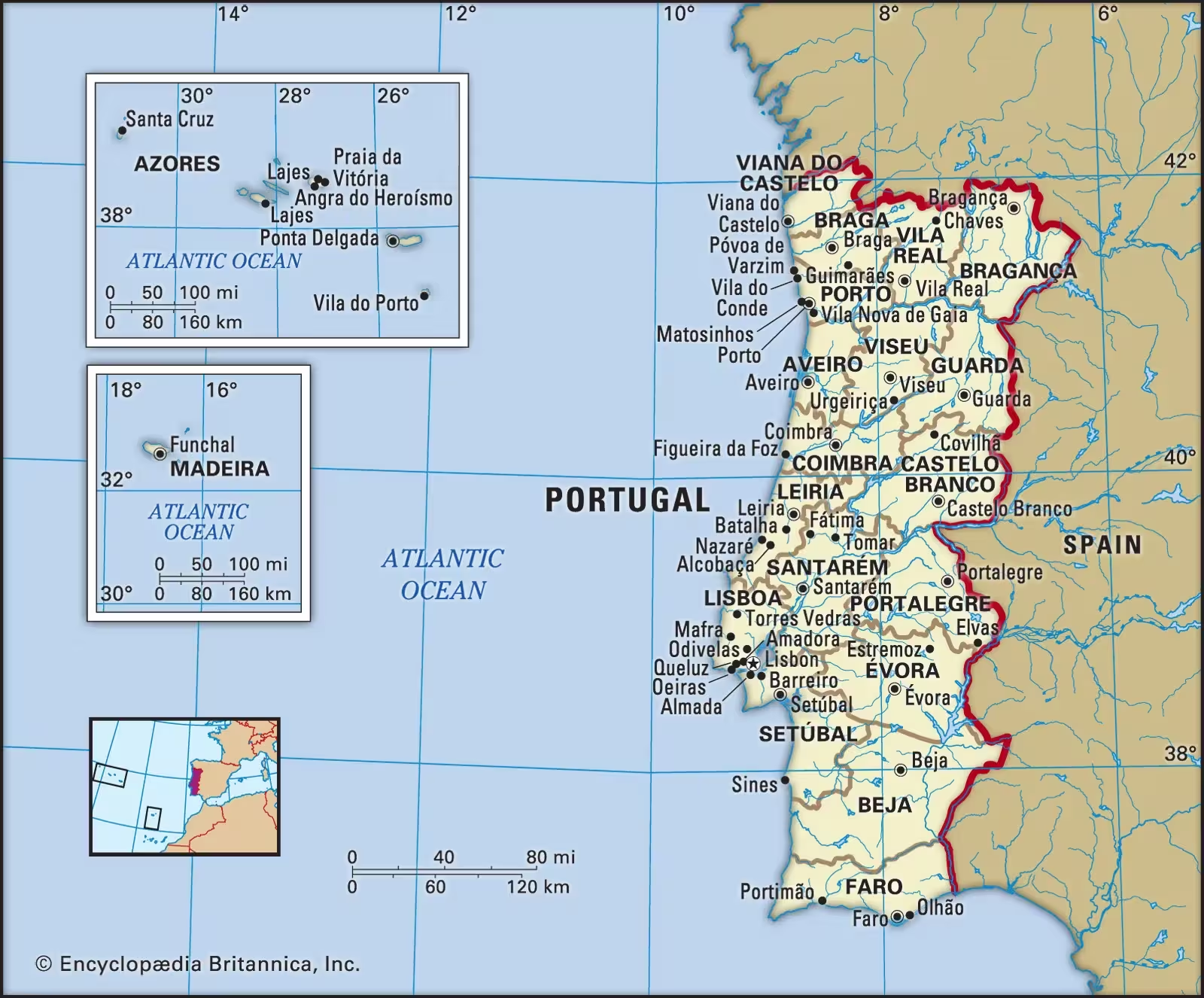
Map of portugal

Gurdwaras in Portugal

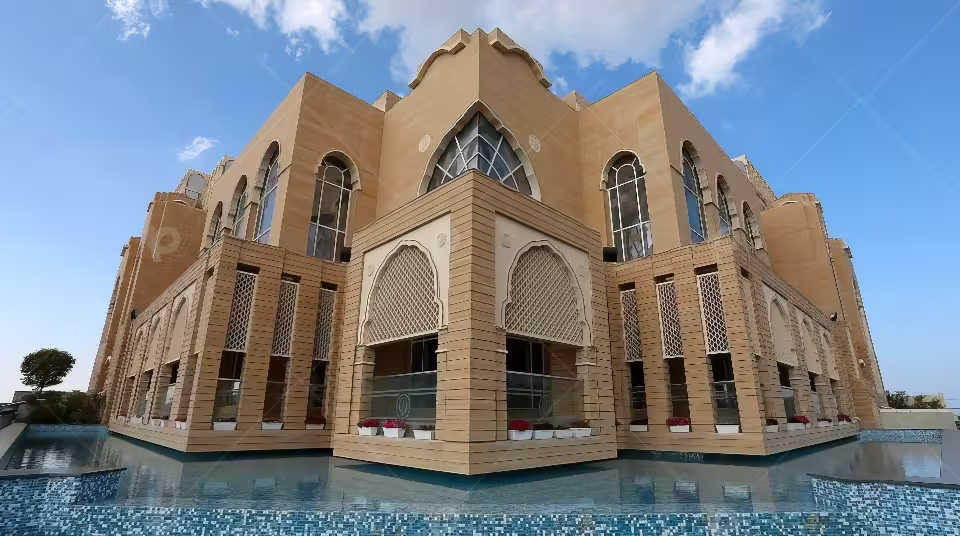
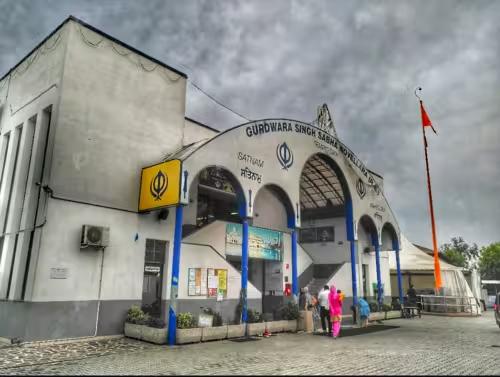
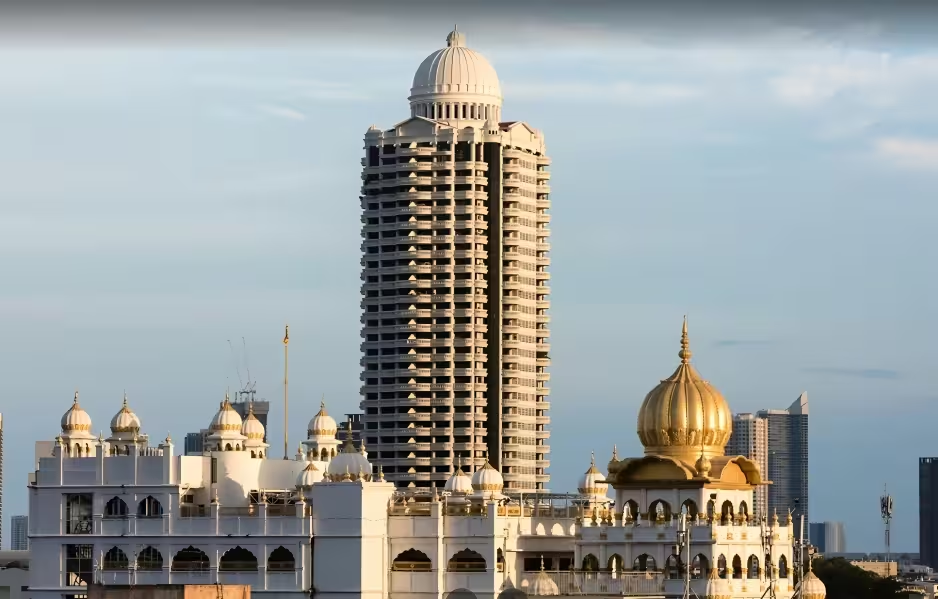
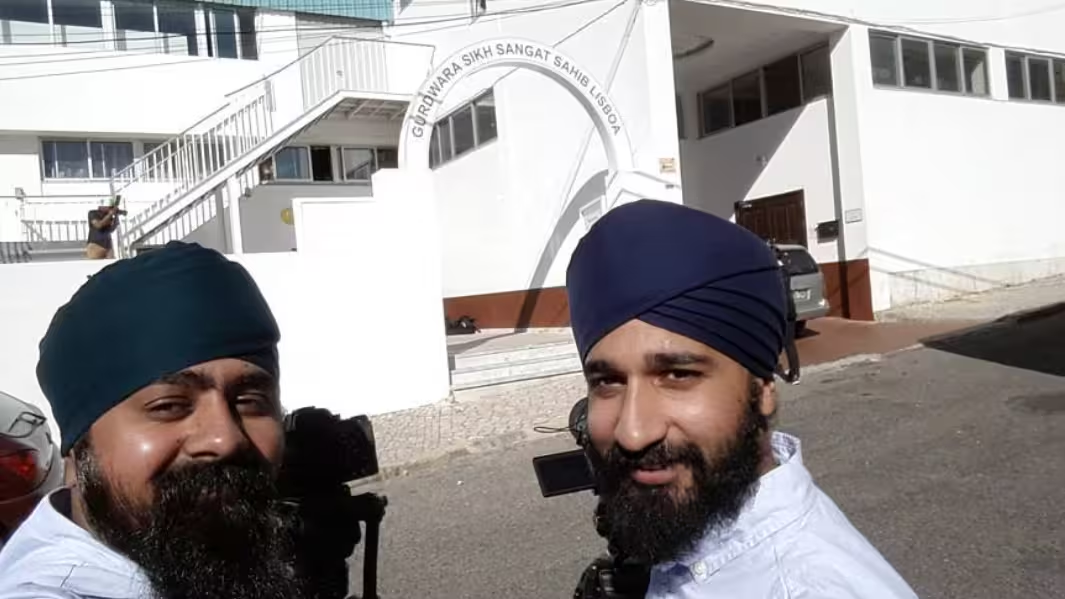
Gurdwara Sikh Sangat Sahib in Lisbon

 in Lisbon (specifically Odivelas) is closely tied to the growth of the Sikh diaspora in Portugal, which began to expand significantly in the 1990s due to labor demands in the construction and agricultural sectors.

Historical Timeline
  • 1998: The community established its first temporary place of worship in the Pontinha area of Lisbon.
  • 2007: The Comunidade Sikh de Portugal (Sikh Community of Portugal) was formally registered as a religious association, providing a legal foundation for their institutional growth.
  • 2010: The current permanent Gurdwara was built in Odivelas to replace the temporary Pontinha site. It now stands as the largest Sikh place of worship in Portugal.
 

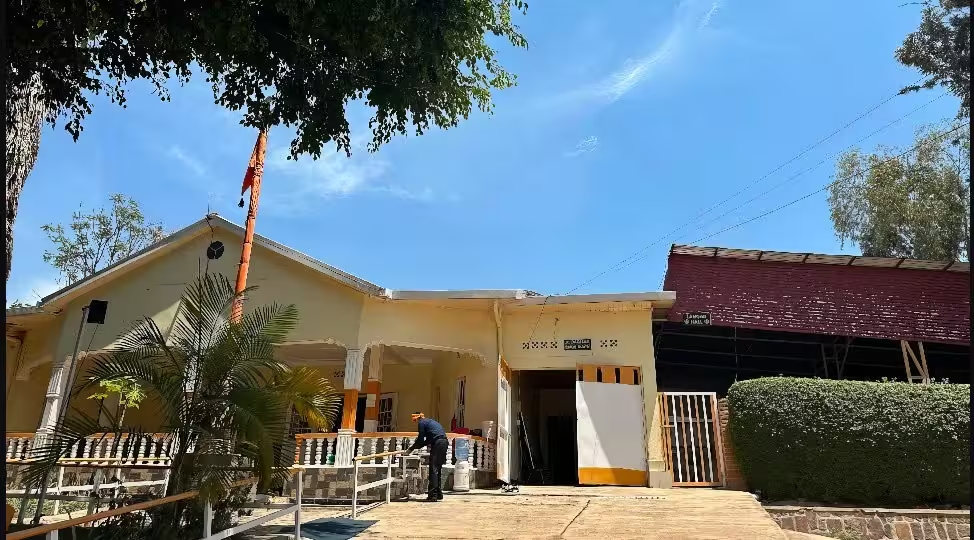
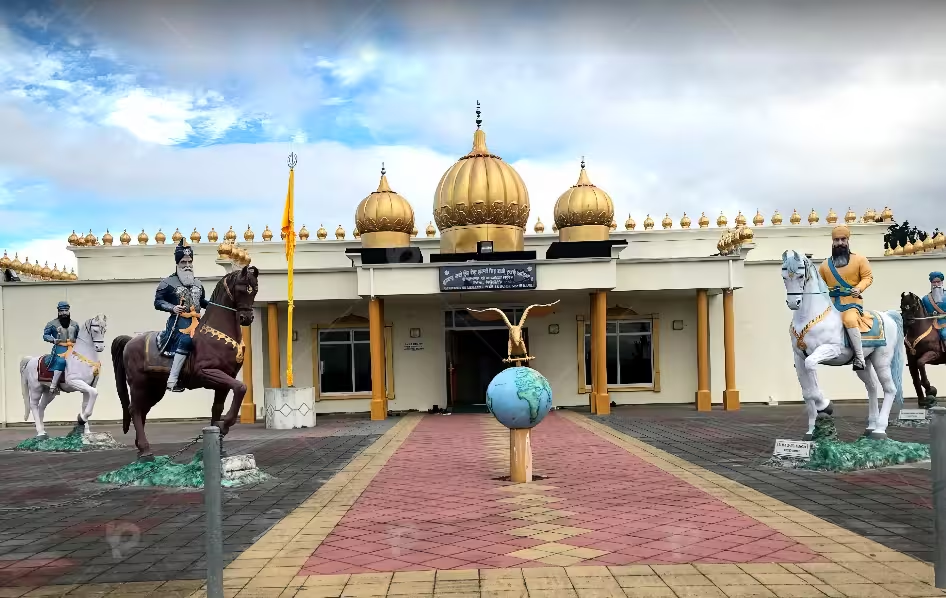
Gurdwara Sri Guru Teg Bahadur Sahib Ji in Albufeira

 in Albufeira, Portugal, serves as a primary spiritual and communal hub for the Sikh community in the Algarve region. Named after the ninth Sikh Guru, Guru Teg Bahadur Ji, the shrine was established to accommodate the growing Sikh population in southern Portugal, many of whom work in the local hospitality and restaurant sectors.

 
History and Purpose
The Gurdwara was established as a religious centre to provide a space for meditation, prayer, and communal gatherings. While specific dates for the initial foundation are not publicly documented in standard historical texts, it has become a well-regarded landmark in Albufeira over the last several years, receiving its first major reviews and public listings around 2016.

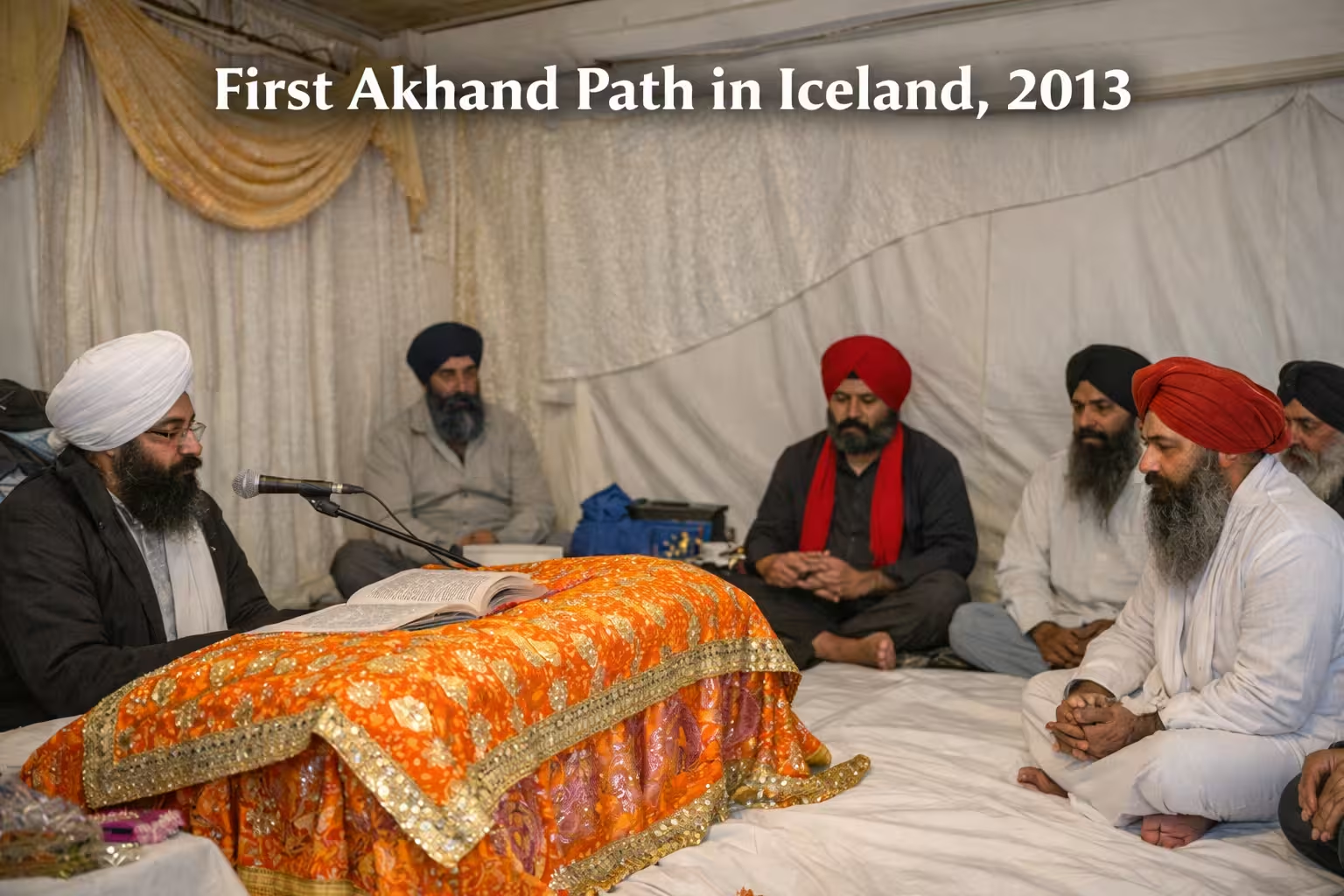
Gurdwara Sri Guru Nanak Dev Ji in Porto

 in Porto is a relatively new religious site, serving as a vital spiritual and community hub for the growing Sikh population in northern Portugal.

Its establishment follows a significant surge in Sikh migration to Portugal that began in the 1990s. By 2024, the Sikh population in Portugal reached an estimated 35,000, with many residing in Porto to work in agriculture, construction, and tourism.

Portugal's Sikh diaspora - History

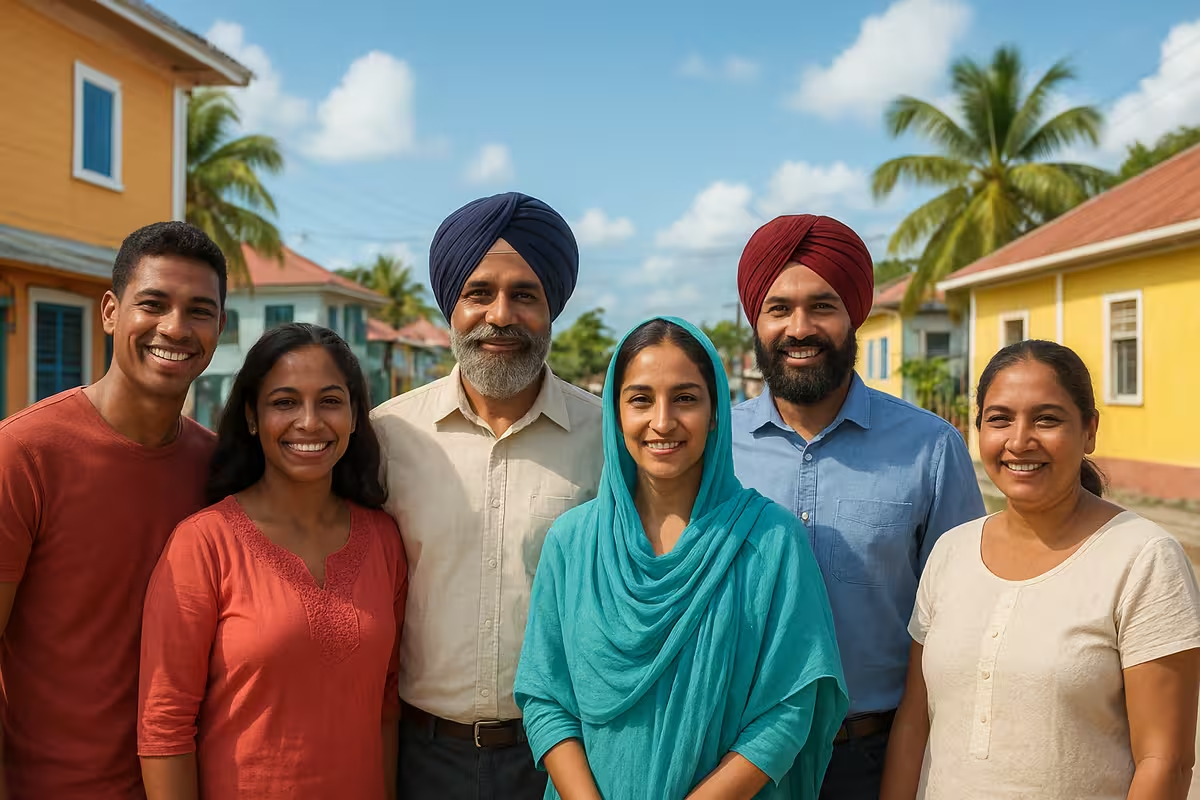
Portugal’s Sikh diaspora, numbering around 35,000 as of recent estimates, represents a dynamic blend of tradition and adaptation in a country with a storied past of exploration and resilience. Originating mainly from Punjab, India, Sikhs first arrived in the early 1990s during Portugal’s post-EU accession construction boom, filling labor shortages in building, agriculture, and later tourism. By 2006, the community was estimated at 5,000-7,000, growing to 10,000 by 2010 and doubling again amid relaxed immigration policies. Many initially entered via other European countries, attracted by lower living costs and residency pathways, transitioning from unskilled jobs to entrepreneurship in retail and hospitality. This migration wave, including smaller groups from Mumbai, Delhi, and states like Uttar Pradesh, has concentrated in urban areas like Lisbon, Porto, and the Algarve, with some integration in rural spots like Guarda. wikipedia , grokipedia

The community’s stories are rich with perseverance: From youths braving journeys for better opportunities to families building transnational ties between Lisbon and Punjab. Inspiring examples include the 2020 COVID efforts, where Sikhs, in partnership with the Indian Embassy and Gurdwaras, distributed food kits to stranded compatriots, venturing into quarantine zones—a testament to their “brave” spirit amid global uncertainty. Similarly, in 2024, aid to fire victims and annual blood camps underscore ongoing seva. Cultural milestones, like the 2008 kirpan incident promoting religious tolerance, and massive Vaisakhi parades (e.g., 2,000 in Porto, 2022), blend Sikh heritage with Portuguese life, often featuring nagar kirtan processions with hymns and instruments. Challenges persist, including language barriers hindering full integration, especially for women, and economic vulnerabilities in construction. Yet, Sikhs’ functional Portuguese acquisition in areas like Guarda aids societal blending. reddit.com

Emerging notables include athletes like Navreet Singh in volleyball and Teja Singh in football, who embody Sikh values on international stages. Community leaders at places like Quinta do Rajo ashram promote Sikhism alongside Kundalini Yoga, fostering spiritual growth since 2013.

Portugal’s history provides a fitting backdrop: From prehistoric settlements to Roman and Moorish eras, independence in 1143, and the 15th-century Age of Discovery under figures like John I, it built a global empire before 20th-century transitions to democracy post-1974 Carnation Revolution. This multicultural legacy welcomes Sikhs, part of a 60,000-strong Indian diaspora.

Gurdwaras are central: Lisbon’s Gurdwara Sikh Sangat Sahib offers daily programs and youth camps; Albufeira’s Sri Guru Teg Bahadur focuses on Algarve serenity; Porto’s Sri Guru Nanak Dev Ji hosts northern events. They facilitate langar, kirtan, and outreach, mirroring Sikhism’s global spread. indoeuropean


Scroll to Top