Unraveling the Early History of Sikhs in Kerala: Myths, Mercenaries, and Movements
The history of Sikhs in Kerala is a fascinating tapestry woven from intriguing legends, contested historical fragments, and transformative social movements. While the established community largely traces its origins to the 1924 military settlements, earlier narratives suggest deeper, though less documented, connections.
One persistent belief holds that Guru Nanak Dev Ji visited Pallipuram and Kottayam during his Udasis in South India. These local oral traditions, particularly among certain Malayali scholars, posit that the Guru’s journey to Sri Lanka may have included stops along the Malabar Coast. However, these accounts are not substantiated by mainstream Sikh historical sources like the Janamsakhis, and remain part of regional folklore rather than verified history. They signify a spiritual longing to connect Kerala’s landscape with the Guru’s universal mission.
Another compelling but controversial narrative alleges that Sikh mercenaries served under the Travancore Kingdom in the 18th or early 19th centuries, possibly aiding in resisting colonial European powers. While the martial reputation of Sikhs was well-known, and Travancore did employ foreign military expertise, concrete archival evidence specifically documenting Sikh regiments in royal service remains elusive. This account likely reflects the broader historical pattern of Sikh warriors being sought across India, even if direct proof for Travancore is anecdotal.
The "Sikh" Connection to Kerala Before the 1924 Settlement
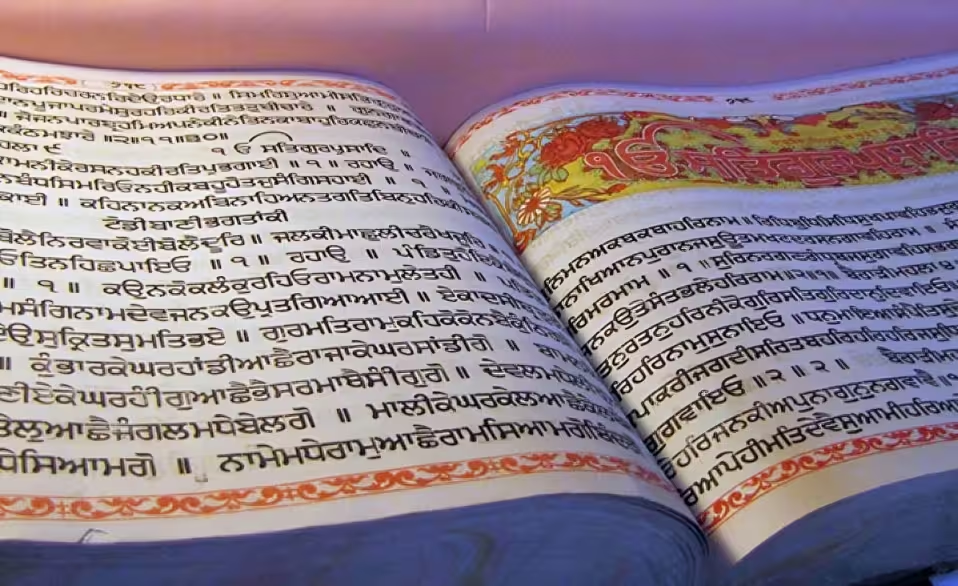
While the Gurus may not have visited, a profound ideological and spiritual connection existed long before the 1924 migration, primarily through Bhagat Namdev and the Bhagti Movement.
Bhagat Namdev (c. 1270–1350 CE): This saint-poet, whose writings are enshrined in the Guru Granth Sahib, is historically recorded to have spent his later years in Pandharpur, Maharashtra. However, a very strong and ancient tradition in Kerala asserts that he also traveled to Tiruvattar (near present-day Thiruvananthapuram) and merged into the divine there.
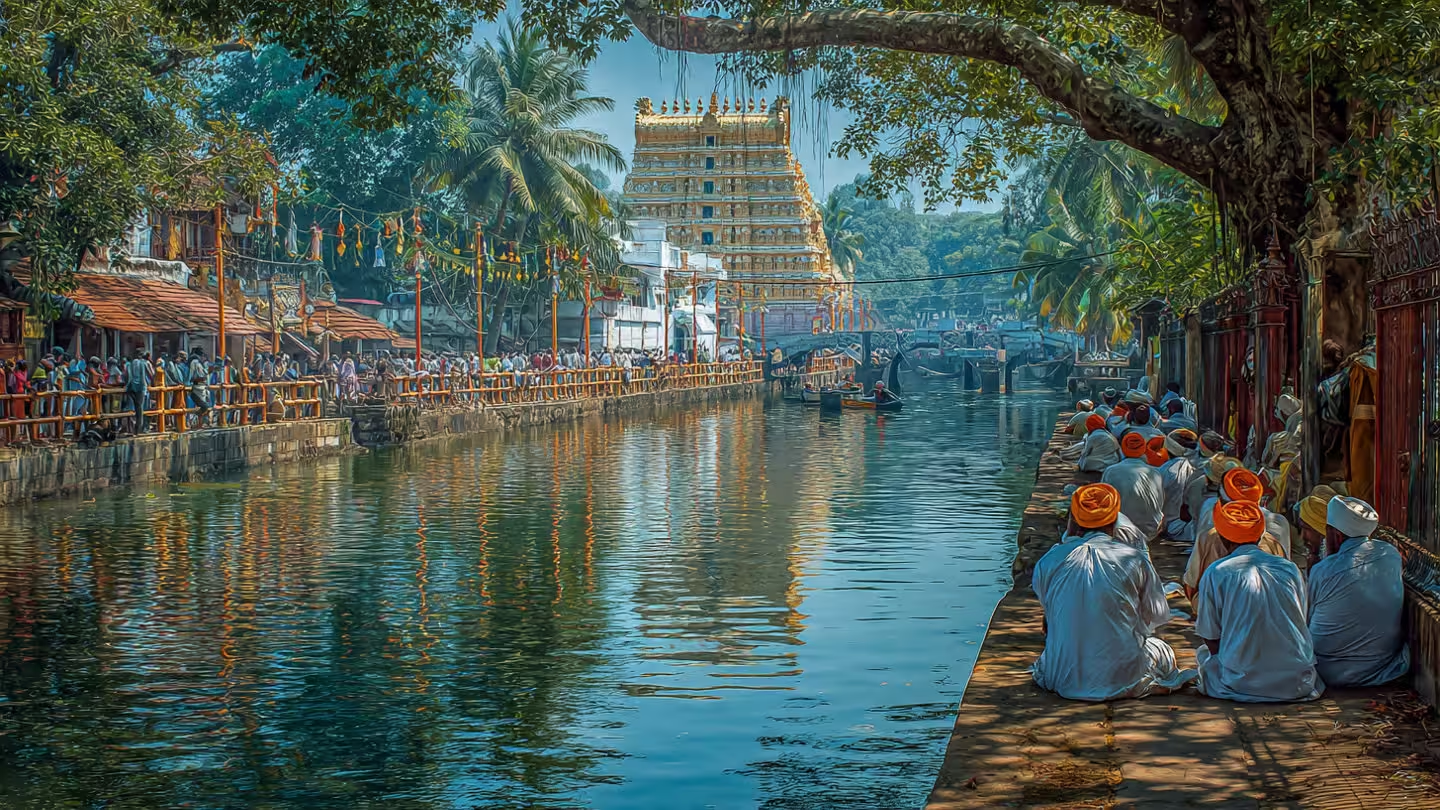
The Bhagat Namdev Temple (Samadhi) in Tiruvattar is a unique syncretic site. It is cared for by Hindu priests but is also revered by Sikhs as a Smadh of a Bhagat. This makes it arguably the oldest physical site of Sikh-related reverence in Kerala, predating the Sikh migration by centuries.
This connection is celebrated and is a powerful bridge between Kerala’s spiritual heritage and Sikhism.
Shared Bhagti Tradition: The teachings of the Sikh Gurus and the Bhagats in the Guru Granth Sahib resonate deeply with the anti-caste, devotional (Bhagti) movements that swept across India, including South India. The spiritual language of inner devotion over ritual, found in the works of Kerala’s own saint-poets, shares a philosophical kinship with Sikh thought. sindhcourier.com
Vaikom Satyagraha (1924-25)s
The most significant and historically verifiable early chapter is the emergence of the Ezhava Sikhs in the 20th century, rooted in social protest. This community’s origin is directly linked to the historic Vaikom Satyagraha (1924-25), a non-violent agitation for the right of marginalized castes, particularly the Ezhavas, to access the roads surrounding the Sri Vaikom Mahadeva Temple. Facing severe repression from the Travancore police, some Ezhava activists found inspiration in Sikhism’s egalitarian principles. They cut their hair and adopted the external symbols of Sikh identity—not necessarily as a full religious conversion, but as a powerful political statement against caste-based discrimination. This act was a deliberate rejection of casteist oppression, using Sikh articles of faith as armour against social humiliation.
Thus, the pre-1924 narrative of Sikhs in Kerala exists in three layers: the devotional layer of Guru Nanak’s legendary travels, the martial layer of alleged mercenary service, and the socio-political layer of the Ezhava Sikh movement. While the first two layers remain in the realm of tradition and speculation, the third represents a documented, profound moment where Sikh identity was embraced as a tool for social liberation, planting early seeds for the community that would formally take root with the arrival of Punjabi Sikh soldiers in the same pivotal decade. amma.org
How and Why Sikhs Emigrated to Kerala
1. Military Postings (The Initial Wave)
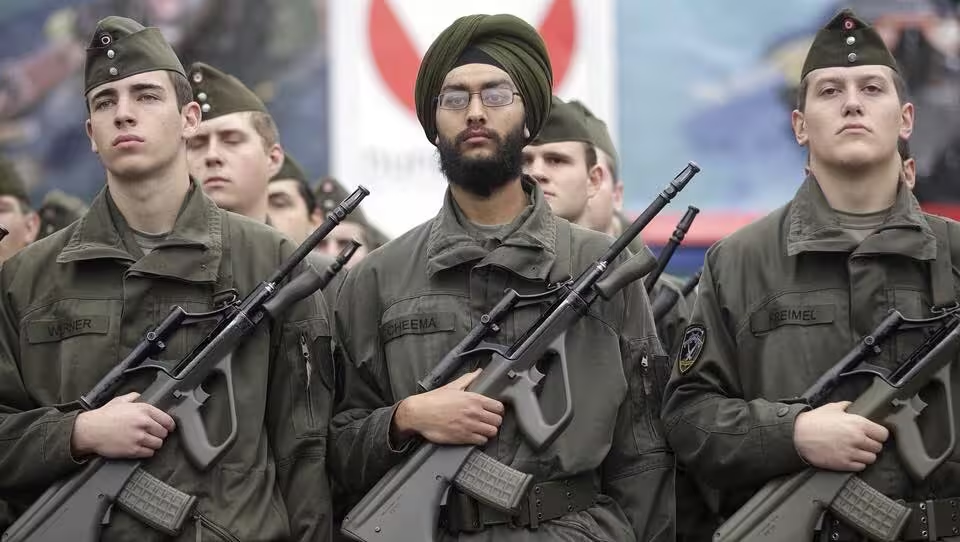
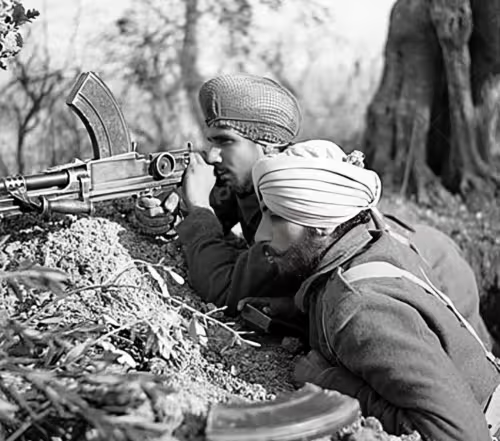
As mentioned, the primary initial migration resulted from British military strategy. Sikh regiments were systematically posted to Kerala throughout the 1920s and 1930s. When these soldiers retired, many chose to settle permanently in Kerala rather than return to Punjab, establishing the foundation of the community.
2. Economic Opportunities
Railway Expansion: The expansion of Indian Railways in the early 20th century brought Sikhs to Kerala as engineers, guards, and technicians. The strategic railway lines in Palakkad and Shoranur became hubs for Sikh settlement.
Business Ventures: Some early settlers recognized business opportunities, particularly in transport (trucking), hospitality, and retail.
Agricultural Skills: Sikh farmers with expertise in wheat cultivation found niche opportunities, though Kerala’s tropical climate and rice-dominated agriculture presented challenges.
3. Post-Partition Migration (1947)
The partition of India caused significant displacement. Some Sikh families from what became Pakistan migrated southward, with a few choosing Kerala for its relative peace and economic opportunities.
4. Later Professional Migration
In recent decades, Sikhs have come to Kerala as professionals, educators, and entrepreneurs, continuing the community’s growth through voluntary migration rather than historical circumstance.
Why Sikhs to Kerala Instead of Abroad?
This internal migration represents an alternative pattern to the better-known diaspora stories:
Employment Guarantees: Military and railway posts offered stable government employment with pensions—a powerful incentive for settlement.
Cultural Integration: Kerala’s historically tolerant, multi-religious society made integration easier than expected in a culturally distinct region.
Land Availability: Compared to land-scarce Punjab at the time, Kerala offered relatively affordable property for settlement in the early 20th century.
Quality of Life: Kerala’s high literacy rates, social development indicators, and natural beauty attracted those seeking a different lifestyle within India.
The Distinctive Turbans of Kerala's Sikhs: A Style of Adaptation
Introduction
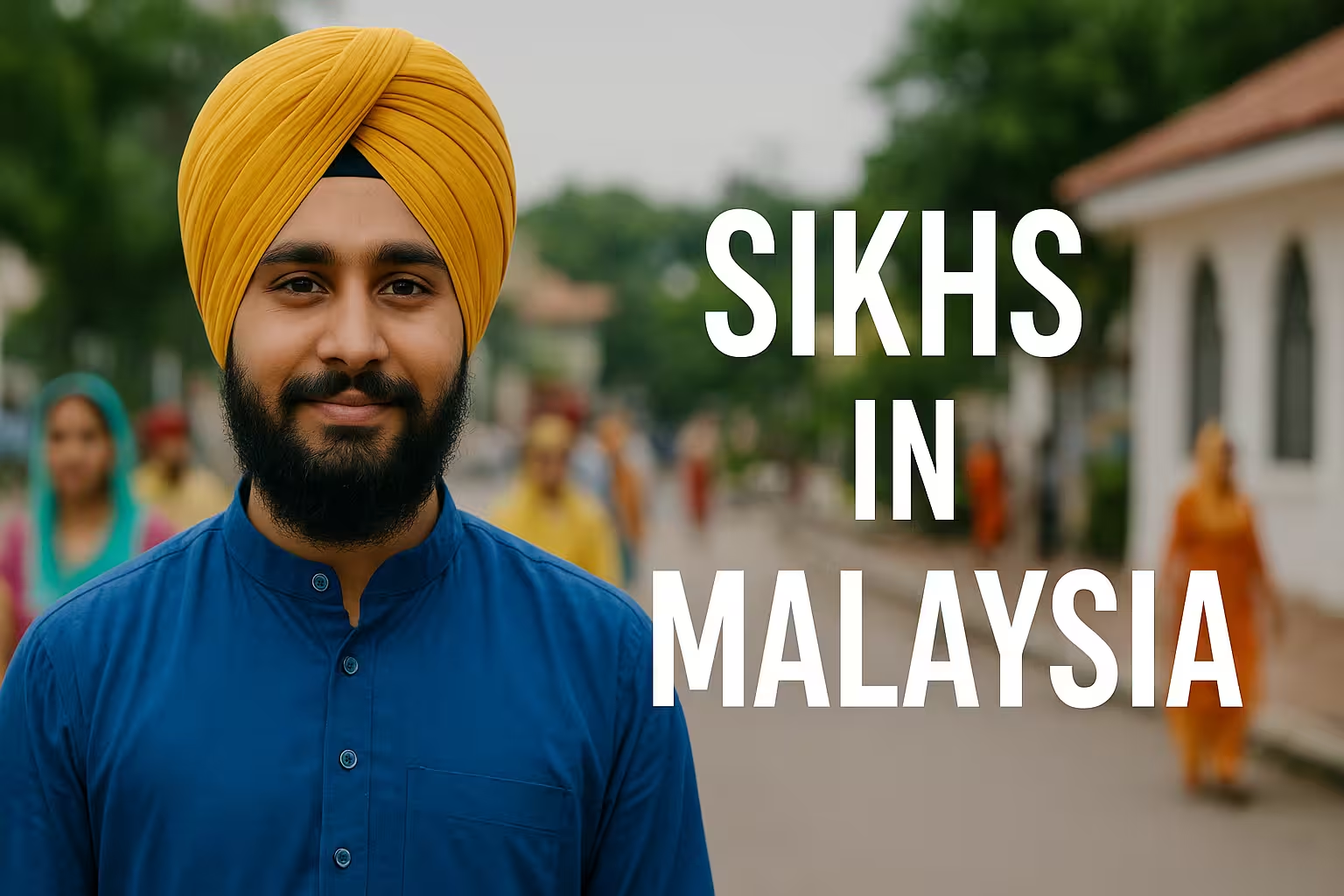
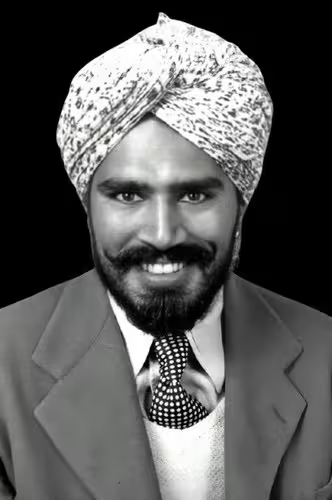
One of the most visible markers of Sikh identity—the turban—tells a unique story of adaptation in Kerala. While maintaining the religious and cultural significance of the dastar, Kerala’s Sikhs have developed distinctive styles that reflect both their Punjabi heritage and their Keralite environment, creating a fascinating synthesis that mirrors their broader cultural journey.
The Kerala Sikh Turban: Key Distinctions
1. Fabric and Material Adaptations
Lighter Fabrics: Unlike the heavier rubia (voile) or mal mal (cotton muslin) commonly used in Punjab, Kerala Sikhs often opt for lighter, breathable fabrics better suited to the tropical climate—cotton blends and thinner materials that provide comfort in high humidity.
Local Textiles: Some incorporate locally available fabrics, though traditional Sikh turban cloth remains preferred for religious observances.
2. Size and Dimensions
Generally Smaller: The Kerala style often features a more compact turban compared to the larger, voluminous styles popular in Punjab. This practical adaptation reduces heat retention in the warm, humid climate.
Shorter Length: Turban cloth lengths tend to be shorter, typically 4-5 meters rather than the 5-6+ meters common in traditional Punjabi styles.
3. Distinctive Styles and Tying Methods
“Kerala Style”: A unique, neater, more streamlined appearance with fewer prominent layers or dramatic peaks. The focus is on cleanliness of lines and practicality.
Lower Profile: Often sits closer to the head compared to some traditional Punjabi styles that create more height.
Simplified Folds: The tying method may involve fewer complex folds while maintaining the required coverage and respect.
4. Color Preferences
Why the Distinct Style Developed
1. Climate Adaptation
The most significant factor: Kerala’s tropical climate (high temperatures, humidity, and rainfall) necessitated practical adaptations. Lighter, smaller turbans prevent excessive sweating and discomfort.
2. Occupational Practicality
Many Kerala Sikhs work in:
Transportation (trucking, autorickshaws)
Manual labor
Outdoor occupations
A more secure, less bulky turban is safer and more practical for these activities.
3. Cultural Integration and Local Aesthetics
Influence of Keralite Neatness: The general Keralite aesthetic preference for neat, clean appearances in dress may have subtly influenced turban styling.
Distance from Fashion Trends: Removed from the constantly evolving turban fashion scenes of Punjab, Kerala’s Sikh community developed its own stable, functional tradition.
4. Small Community Dynamics
In a smaller community with fewer master turban tiers (raggyis), a simplified, teachable style became practical, passed down through families rather than professional turban artists.
Generational Perspectives of Sikhs
Older Generation
Tend to maintain more traditional tying methods
Often wear simpler, practical styles developed during their working years
May view the turban primarily through religious obligation and identity
Younger Generation
Experiment more with colors
Sometimes incorporate elements from Punjabi styles seen in media
Navigate dual influences: local practicality and global Sikh fashion trends via social media
Some have developed hybrid styles when traveling between Kerala and Punjab
Religious Significance Maintained
Despite stylistic adaptations, Kerala Sikhs preserve all religious requirements:
Kesh remains completely covered
The turban is still tied fresh each day
All Five Ks remain maintained
No compromise on core religious principles—only practical adaptation of style
Comparison with Other Regional Indian Variations
Kerala’s turban style joins other regional adaptations across India:
Sikhs in Maharashtra: Often wear the pagri in Marathi style
Sikhs in Karnataka/Hyderabad: Developed distinctive Deccani styles
Sikhs in Bihar: Simpler, smaller turbans similar to Kerala in some ways
Each represents how Sikhs have adapted to local environments while maintaining religious identity—a testament to the faith’s flexibility within core principles.
The Community Today
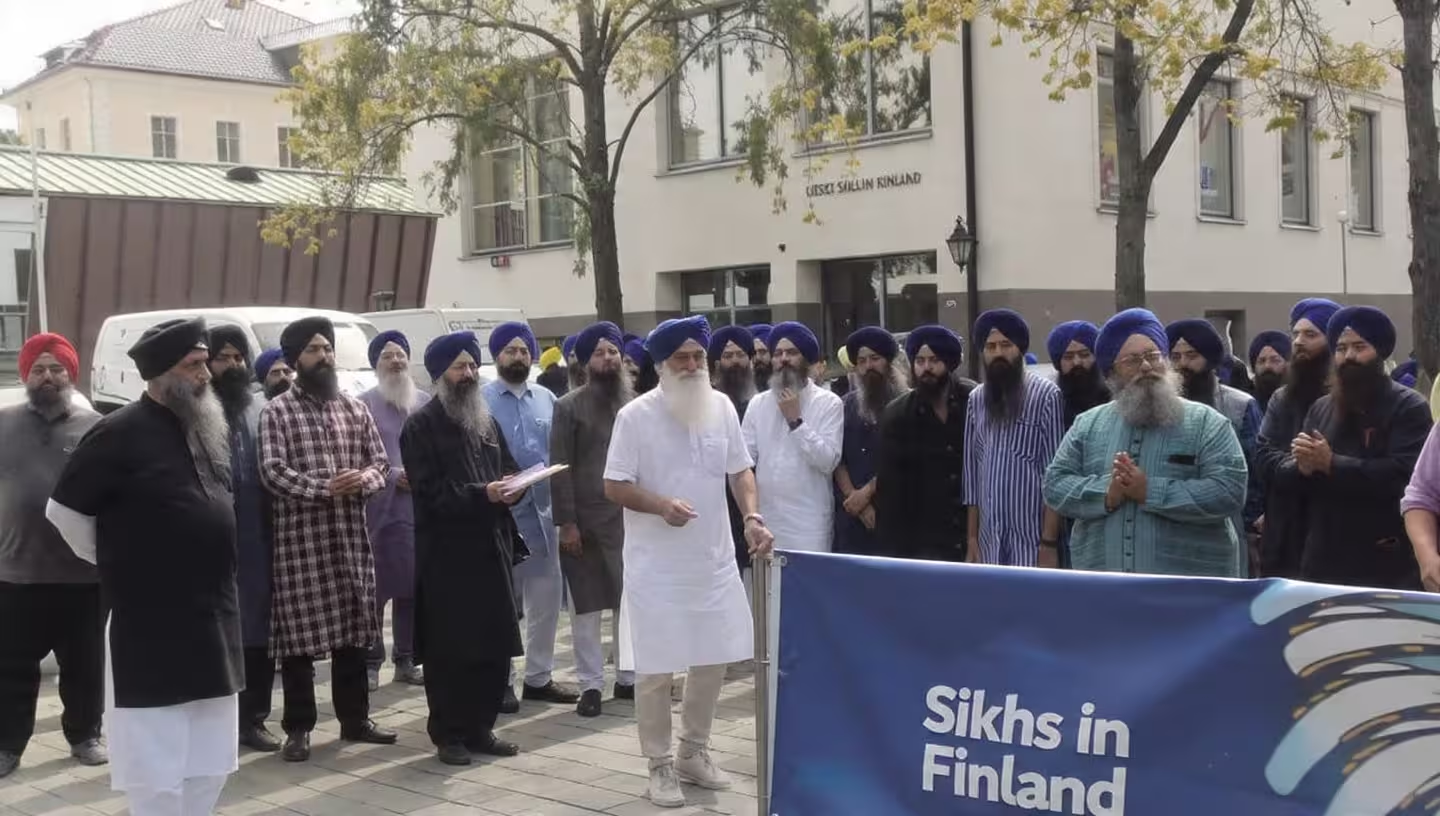
Kerala’s Sikh community, while small (estimated at 2,000-3,000 individuals), maintains a distinct identity. Key features include:
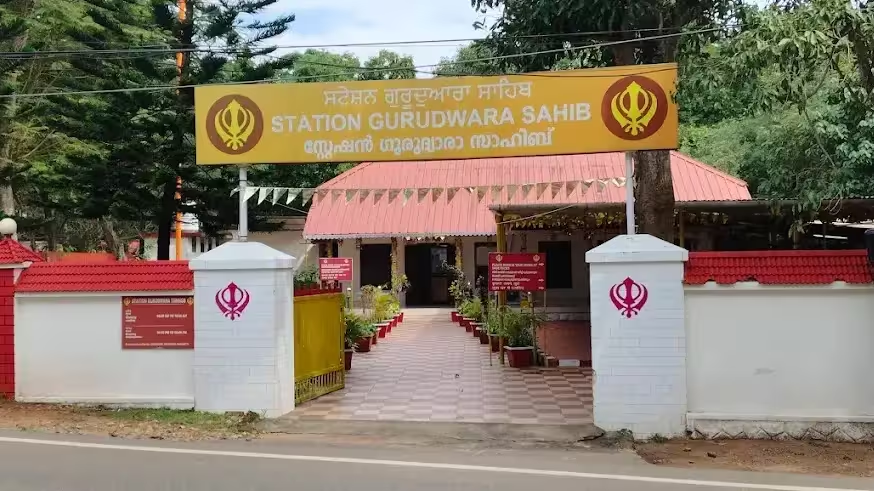
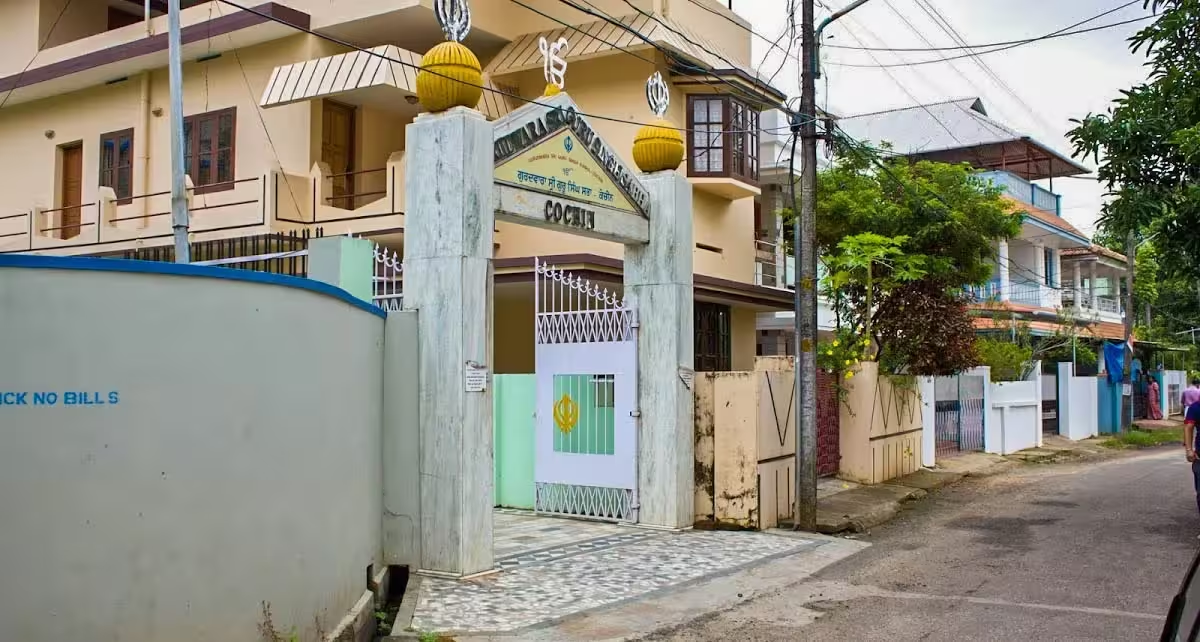
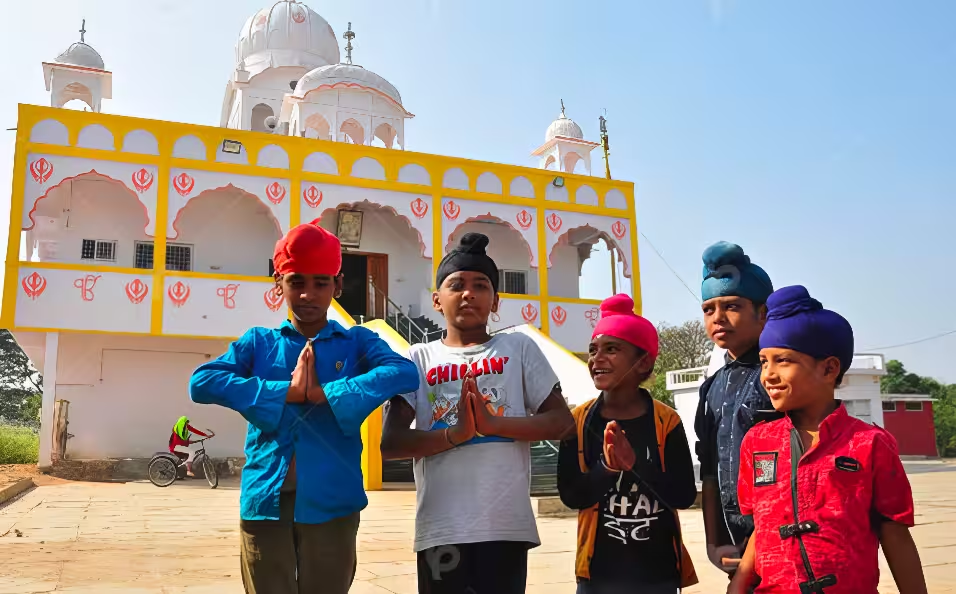
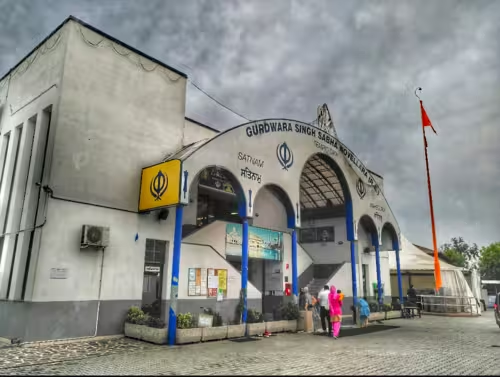
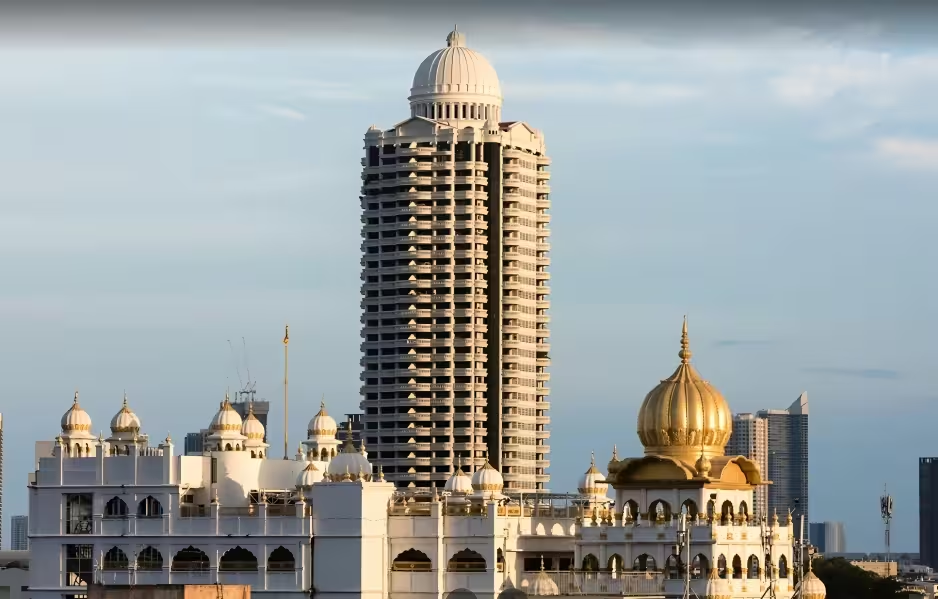
Gurdwaras: The oldest established in 1956 in Trichur, with others in Kannur, Palakkad, and Alappuzha.
Cultural Synthesis: Many Kerala Sikhs speak Malayalam alongside Punjabi, incorporate Keralite foods, and celebrate local festivals while maintaining core Sikh practices.
Occupations: Diversified from initial military/railway roots into various professions while maintaining strong presence in transport and logistics.