Sikhs in Saudi Arabia and War 2026
Saudi Arabia, guardian of Islam’s holiest sites, is home to a resilient Sikh community of Indian expatriate workers. Recent estimates place the Sikh population in the Kingdom at around 66,000–67,000, though some sources cite lower figures closer to 13,000 for stricter counts. This makes Sikhs a small yet dedicated part of the broader Indian diaspora (over 2.5 million Indians in Saudi Arabia) that supports the Kingdom’s economy.
This updated guide for GlobalSikhiWiki.com covers the historical roots, daily life, contributions, and—critically—the present conditions of Sikhs in Saudi Arabia as of mid-April 2026, amid the escalating Iran-USA war that began with U.S.-Israeli strikes on February 28, 2026.
Core Sikh Teachings Relevant to This War
Sikhism was born in a time of oppression (Mughal rule) and emphasizes one God (Ik Onkar) who sees no distinctions of race, religion, or nationality: “No one is my enemy, no one is a stranger; I am a friend to all” (Guru Arjan Dev Ji, Guru Granth Sahib). Yet it is not pacifist. The Gurus taught Miri-Piri—the balance of spiritual and temporal power. When peaceful means fail, righteous resistance is a duty.
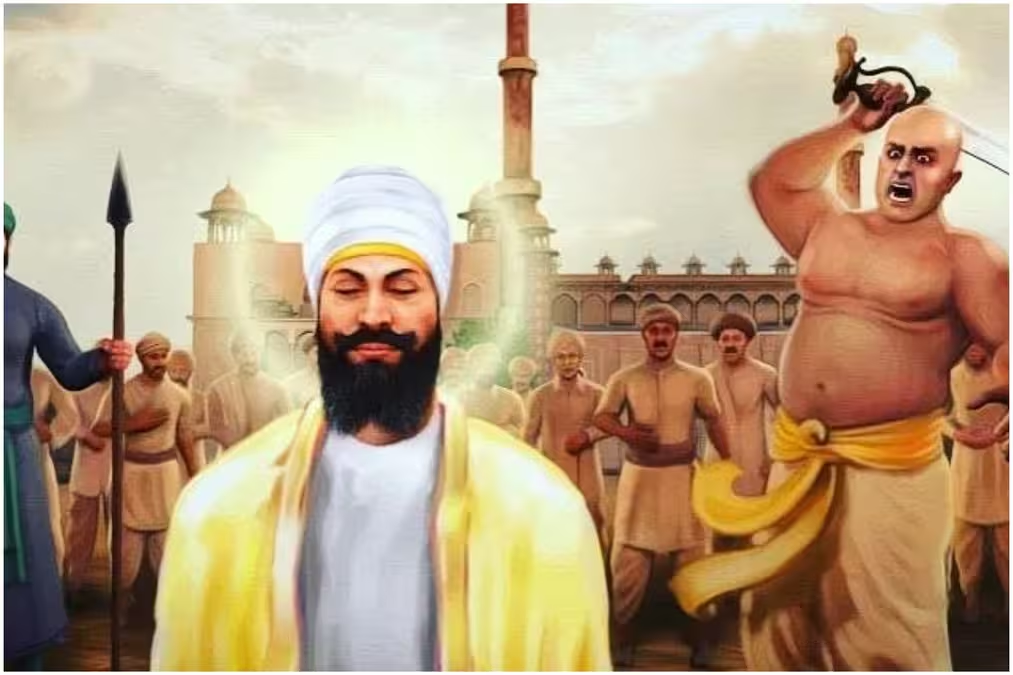
Guru Gobind Singh Ji’s famous words in the Zafarnama capture this: “When all other means have failed, it is righteous to take up the sword.” This is Dharam Yudh—a just war fought defensively, without hatred, personal gain, or targeting innocents. The Khalsa (the Pure) exists to protect the oppressed (mazloom), not to conquer or dominate. Guru Tegh Bahadur Ji sacrificed his life for the religious freedom of Hindus (a different faith), proving Sikhs stand against tyranny regardless of who the victim is.
War, in Sikh eyes, is never glorious. It brings suffering that affects the innocent most. The Guru Granth Sahib repeatedly laments violence and calls for inner peace through Naam (remembrance of God) and Seva (selfless service).
Historical Roots of Sikh Presence in Saudi Arabia
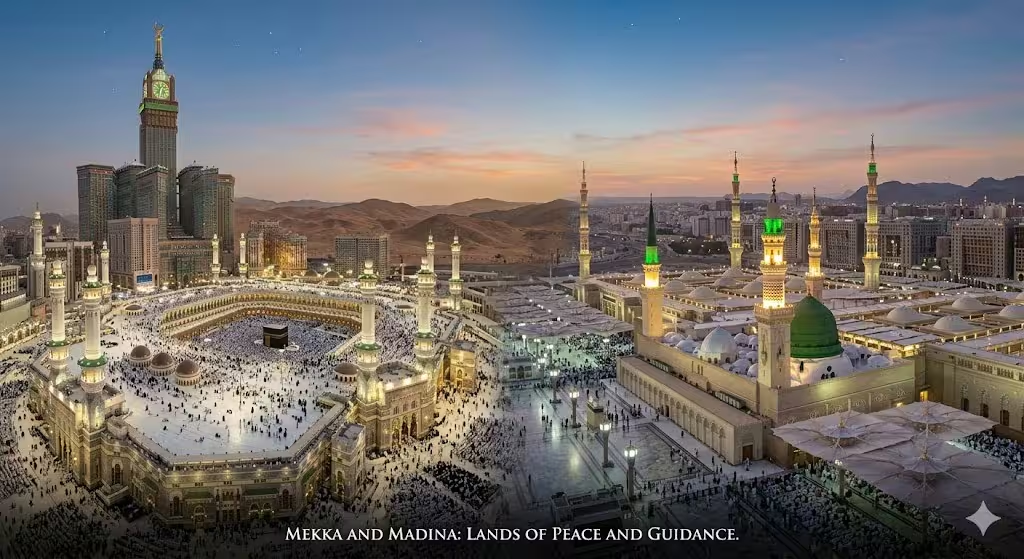
Sikh ties to the Arabian Peninsula trace back to Guru Nanak Dev Ji, the founder of Sikhism, who is believed to have visited Mecca and Medina in the 16th century. His message of universal equality and oneness left a lasting spiritual imprint. While no official Gurdwara exists today, historical accounts recall Guru Nanak’s interactions in the region.
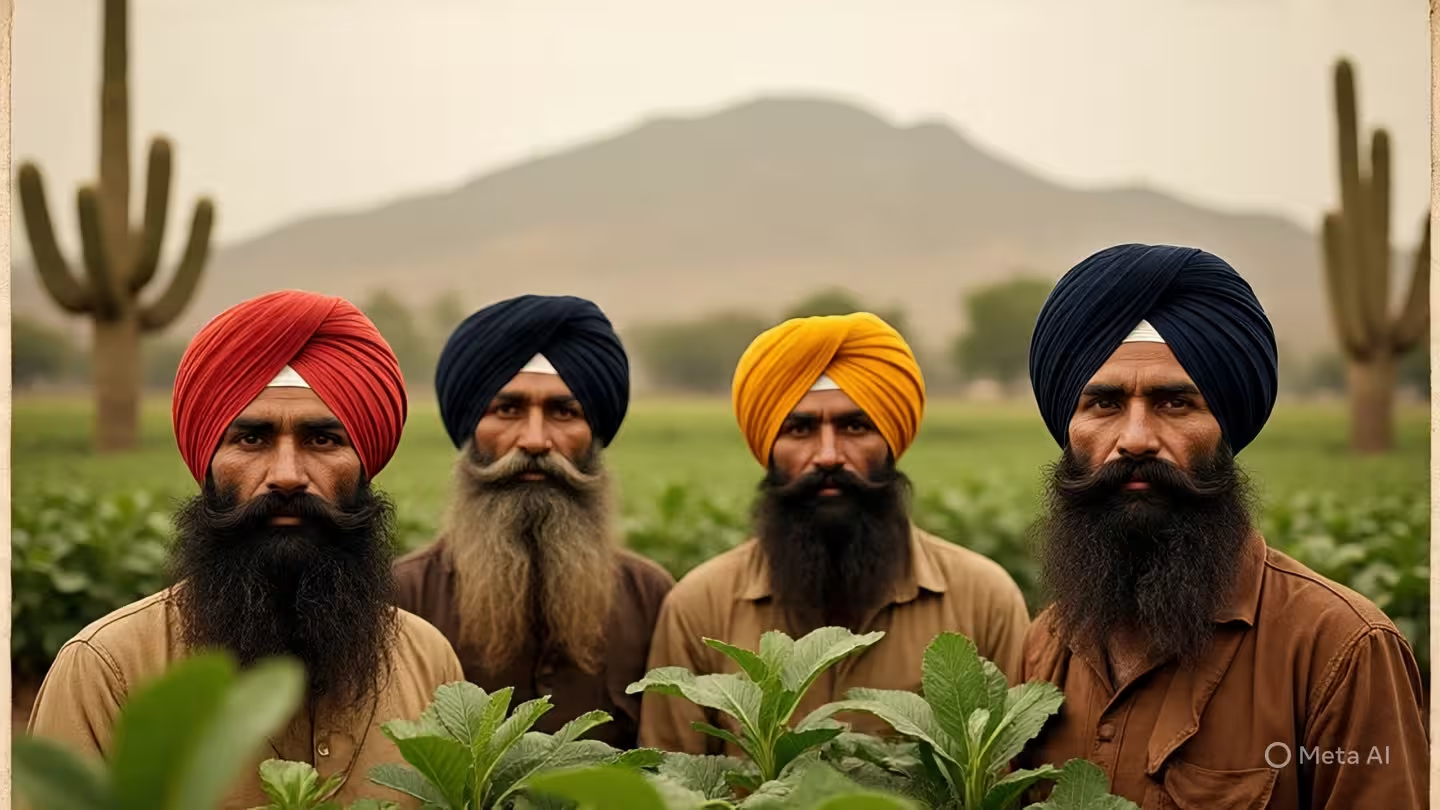
Modern migration accelerated in the late 20th and early 21st centuries. Punjabi Sikhs arrived primarily on temporary work visas for opportunities in construction, oil & gas, healthcare, engineering, IT, and services. The community remains predominantly male, contract-based workers from Punjab and neighboring states, adapting to Saudi Arabia’s strict religious and social regulations.
Sikh Population and Demographics
- Estimated Sikh Population: Approximately 66,843 (higher estimates) to lower figures around 6,700–13,000, depending on inclusion of families and long-term residents.
- Major Concentrations: Riyadh, Jeddah, Dammam, and Al Khobar — hubs for infrastructure, Aramco projects, and industrial work.
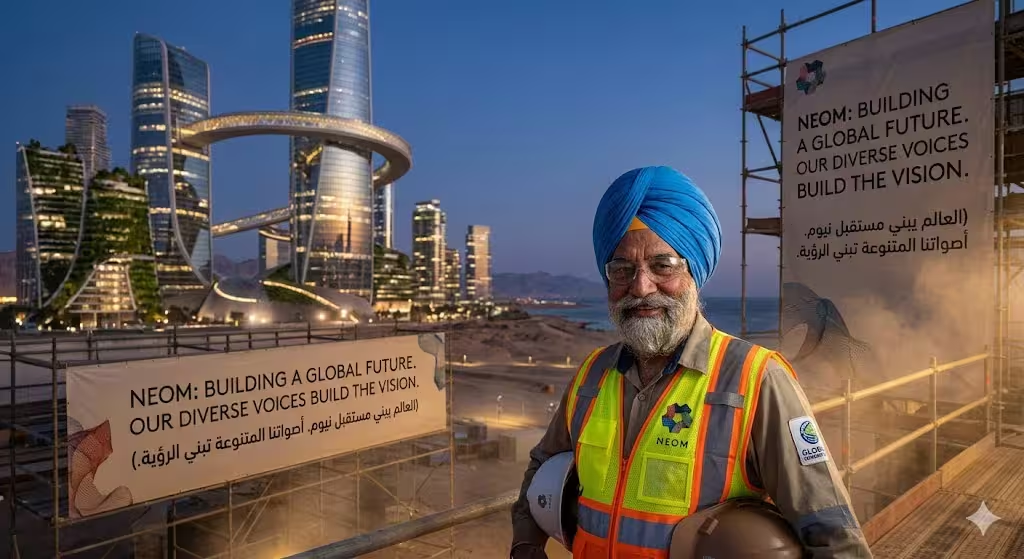
- Profile: Mostly skilled and semi-skilled professionals contributing to Saudi Vision 2030 initiatives like NEOM and Red Sea developments.
Sikhs form a tiny minority in a population exceeding 30 million but embody the Sikh spirit of honest labor and service.
Religious Life: Private Practice in the Absence of Gurdwaras
Saudi law prohibits public non-Islamic places of worship. There are no official Gurdwaras in the Kingdom.
Sikhs maintain their faith discreetly:
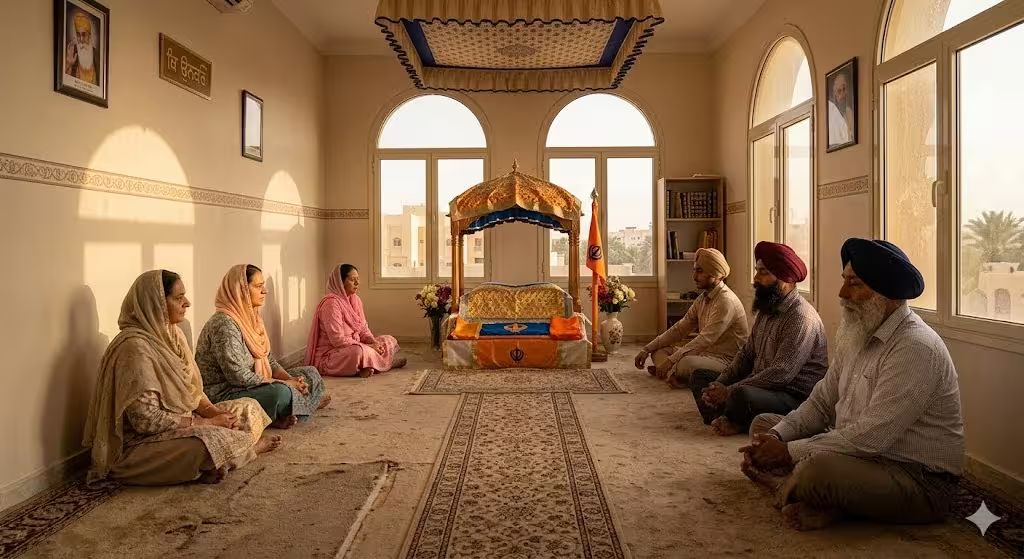
- Daily Nitnem, Sukhmani Sahib, and Ardas at home or in small private gatherings.
- Low-key observance of Gurpurabs, Vaisakhi, and other festivals, often through virtual connections with family in India.
- Informal langar and kirtan sessions in residences or approved spaces, with emphasis on equality and seva (service).
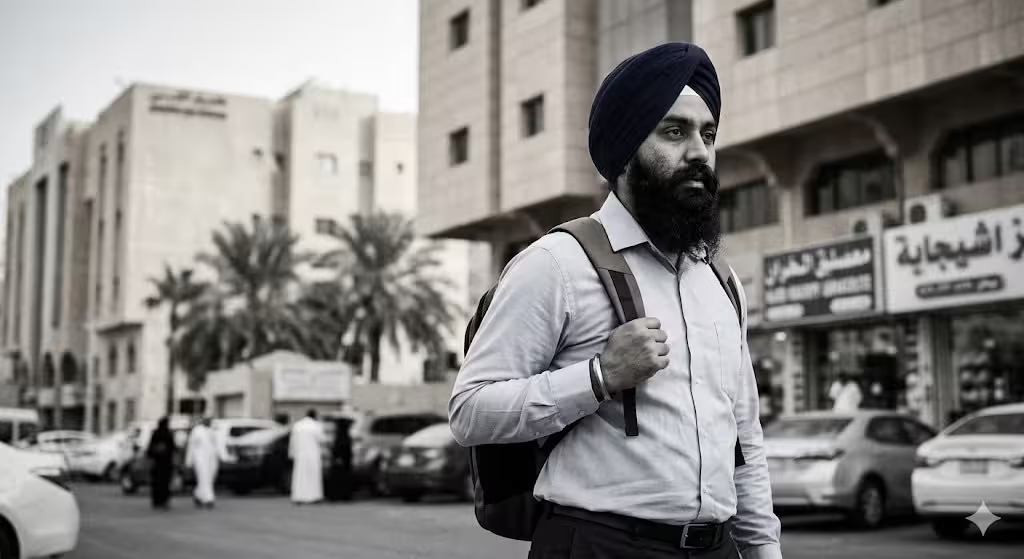
Many uphold visible Sikh identity (turban, kara) while navigating local sensitivities. WhatsApp groups and Indian community networks provide crucial support.
Contributions of Sikhs to Saudi Arabia
Sikhs contribute quietly but meaningfully:
- Expertise in large-scale projects, engineering, healthcare, and logistics.
- Strong work ethic, integrity, and adaptability that align with the Kingdom’s diversification goals.
- Remittances sent home strengthen families in Punjab and support India’s economy.
Their presence reflects the global Sikh tradition of resilience and honest contribution, even in challenging environments.
General Challenges
- Strict religious restrictions limiting public expression of faith.
- Kafala sponsorship system tying workers to employers.
- Cultural and legal adjustments regarding dress, social norms, and daily life.
- Occasional misconceptions about Sikh identity.
Despite these, the community has maintained a peaceful, law-abiding profile.
Kafala (sponsorship) system
The Kafala (sponsorship) system is a legal framework used in Saudi Arabia—and several other Gulf nations—to monitor and regulate migrant laborers. Under this system, a migrant worker’s immigration status is legally bound to an individual employer or company, known as the Kafeel (sponsor).
Key Features of the System
Dependency on Sponsor: Traditionally, workers cannot enter the country, transfer jobs, or exit the country without the explicit written permission of their Kafeel.
Contractual Control: The sponsor is responsible for the worker’s legal status and visa. This often creates a power imbalance, as the employer has significant control over the worker’s ability to remain in the country.
Recent Reforms (Labor Relation Initiative): In recent years, as part of Saudi Vision 2030, Saudi Arabia has introduced reforms to modernize the system. These changes allow many private-sector workers to:
Change jobs upon the expiry of their contract without the employer’s consent.
Travel abroad (Exit/Re-entry visas) via a government portal rather than requiring a physical signature from the employer.
Leave the country permanently (Final Exit) without the employer’s approval.
Impact on the Sikh Community
For the estimated 66,000–67,000 Sikhs working in Saudi Arabia, the Kafala system means that their residency and livelihood are tied directly to their employment contracts in sectors like construction, IT, and engineering. While the 2021 reforms have improved mobility, navigating these legal requirements remains a central part of the expatriate experience in the Kingdom.
Impact of the Iran-USA Conflict on Sikhs
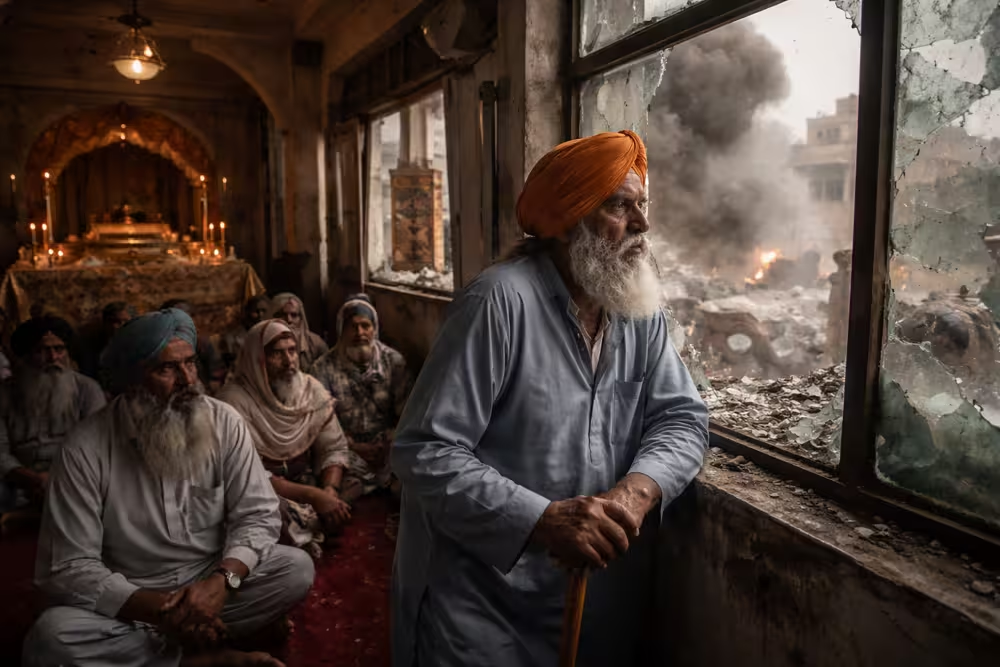
The eruption of hostilities between Iran and the United States in early 2026 has significantly impacted the Sikh diaspora:
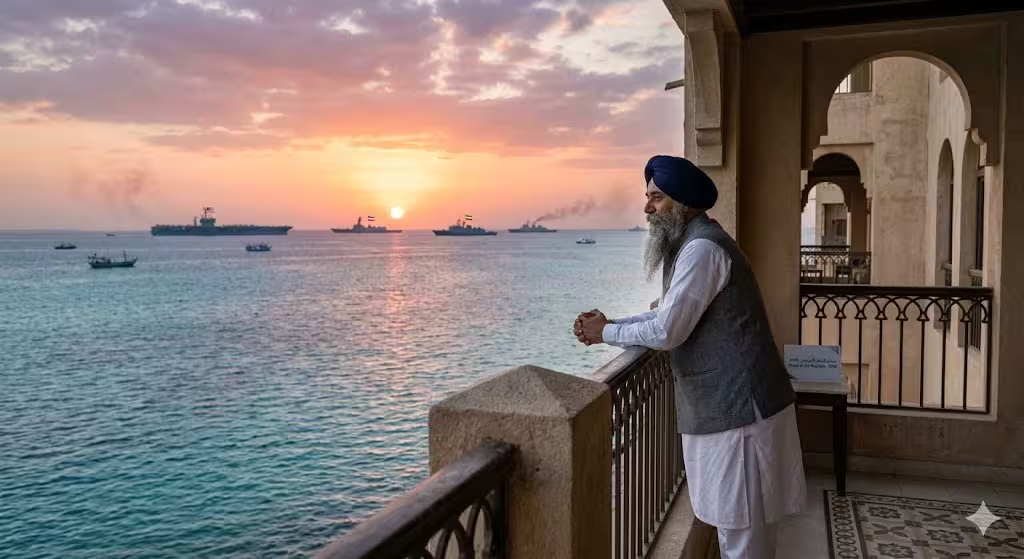
Security Concerns: As Iran-backed proxies have targeted regional infrastructure, many Sikh professionals working in the oil and gas sectors (specifically in the Eastern Province) have faced heightened security protocols.
Communication Blackouts: Similar to the Sikh community in Tehran, those in Saudi Arabia have experienced intermittent digital disruptions during periods of regional electronic warfare, making contact with families in Punjab difficult.
Economic Resilience: Despite the war, the Saudi economy remains robust. Sikhs in engineering, healthcare, and IT continue to be essential to the Kingdom’s stability, though many have updated their emergency repatriation plans.