Sikhs in Ethiopia: A Journey of Migration, Service, and Global Connections
Welcome to Global Sikhi Wiki, your comprehensive resource for exploring Sikh history, culture, and global communities. Today, we delve into the vibrant story of Sikhs in Ethiopia.
–The global migration of Sikhs has taken them to every corner of the world, from the farms of Punjab to distant lands where they have built communities, preserved their culture, and contributed to society. While East Africa is well-known for its vibrant Sikh settlements in countries like Kenya and Uganda, the story of Sikhs in Ethiopia remains lesser-explored. This narrative delves into the historical movements of Sikhs to Ethiopia, primarily through military deployments, their current status as a small but resilient diaspora, key professions, notable figures, and the challenges they’ve faced. As part of the broader Sikh migration patterns, this account highlights achievements, cultural adaptations, and the enduring spirit of seva (selfless service) in a land far from home.
Historical Roots: Sikh Migration to East Africa and Ethiopia
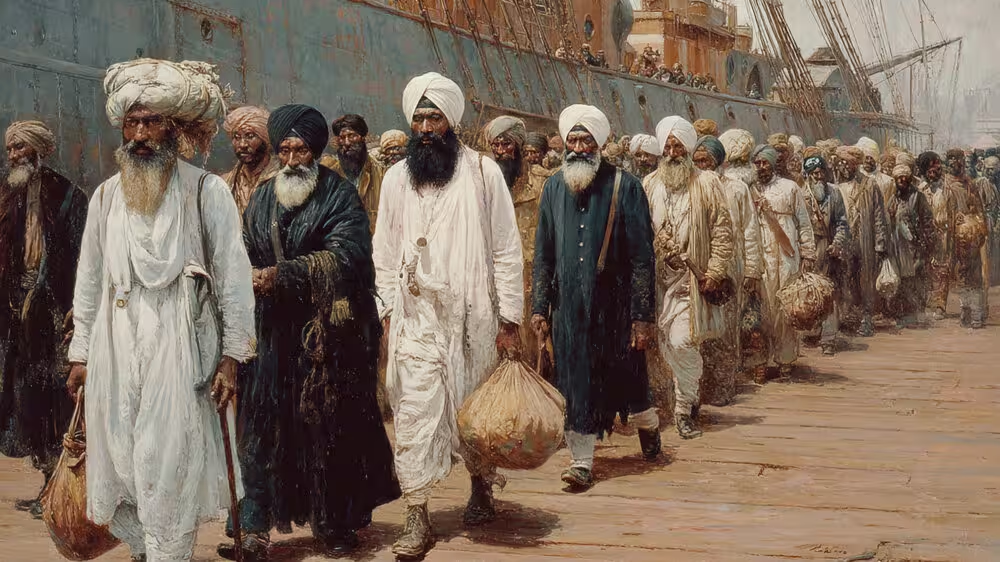
Sikh migration to Africa began in the late 19th century under British colonial rule. Skilled artisans, farmers, and soldiers from Punjab were recruited to build infrastructure, such as railways in East Africa. By the early 20th century, Sikhs had established communities in Kenya, Uganda, and Tanzania, often as laborers or traders. Ethiopia, however, saw a different pattern—more tied to military service than mass settlement.
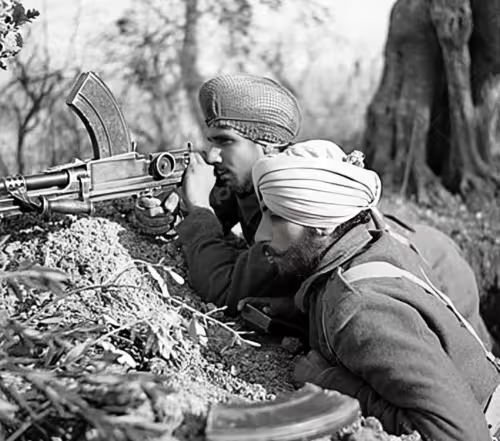
During World War II, as part of the British Indian Army, Sikh soldiers participated in the East African Campaign against Italian forces in Ethiopia (then Abyssinia). The Indian Army, including units like the Sikh Regiment, played a crucial role in liberating Ethiopia from Italian occupation in 1941. This marked one of the earliest Sikh presences in the region, with soldiers exemplifying bravery in battles across Africa. Post-war, some Sikhs stayed or migrated for opportunities, but Ethiopia’s Sikh community remained small compared to neighboring countries. wikipedia.org
In the post-independence era, Sikh migration evolved amid global conflicts and peacekeeping efforts. Ethiopia’s strategic location in the Horn of Africa drew international involvement, including from India.
Indian Officers and Deployments in Ethiopia
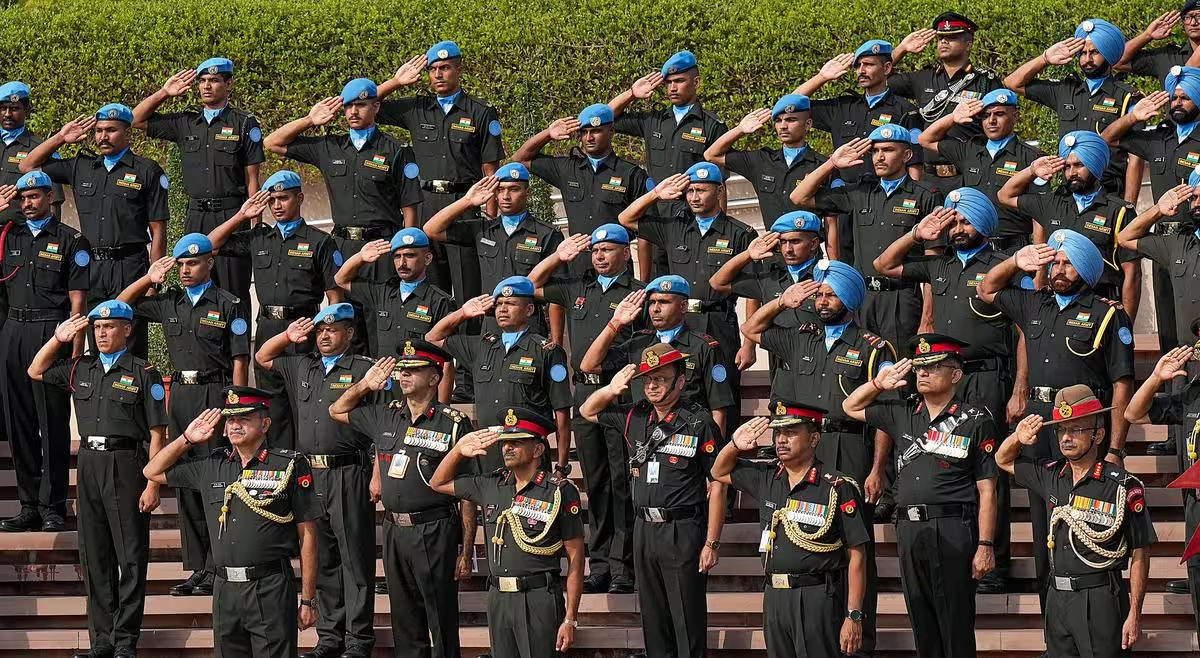
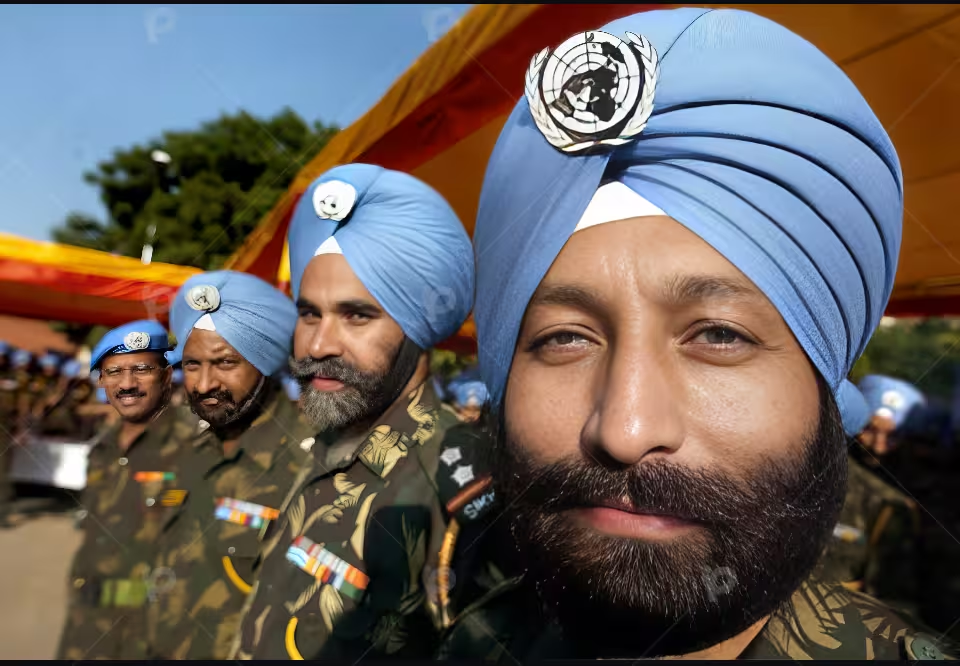
India has deployed numerous military contingents to Ethiopia, particularly through United Nations peacekeeping missions. The most notable was the United Nations Mission in Ethiopia and Eritrea (UNMEE), established in 2000 to monitor the ceasefire between the two nations after their border war. India contributed significantly, with over 4,000 troops at peak deployment. peacekeeping.un.org
A key unit was the 15th Battalion of the Sikh Light Infantry (15 SIKH LI), which included both Sikh and non-Sikh soldiers. This battalion was deployed in 2003 as part of UNMEE, departing from Delhi’s IGI Airport amid chants of “Jo Bole So Nihal, Sat Sri Akal.” The commanding officer (name not publicly specified in records) emphasized the contingent’s role in making India proud and achieving peacekeeping objectives. The 15 SIKH LI operated in Eritrea’s central sector before handing over to other Indian units like the Kumaon Regiment in 2005. sikhsangat.com
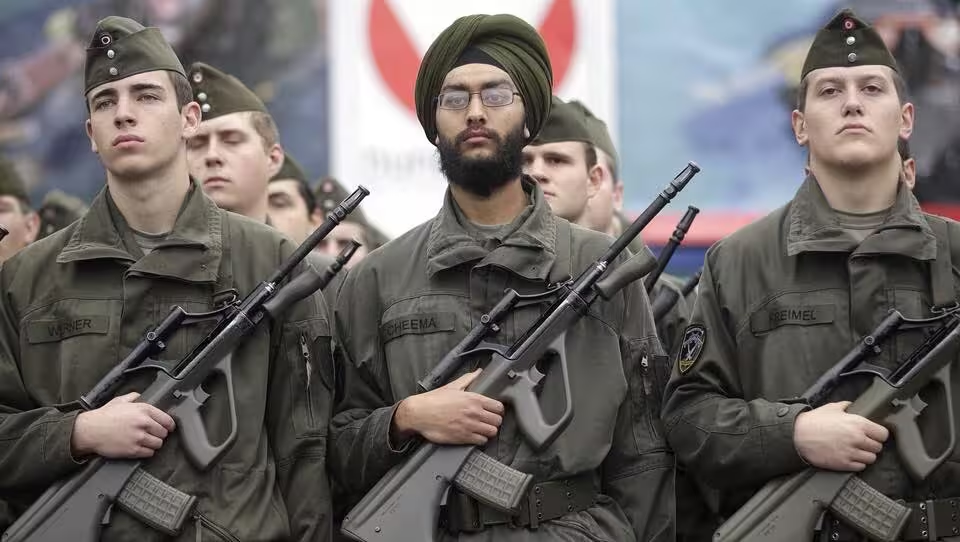
Other Indian regiments with Sikh personnel, such as the Rajput Regiment and Parachute Regiment, also served in UNMEE. Historical records from WWII highlight Sikh involvement in Ethiopia, but specific officer names from that era are not detailed in available sources. Notable modern Sikh officers in the Indian Army, like Lt Gen Iqbal Singh Singha (associated with the Sikh Light Infantry) and Gen Manoj Pande (Honorary Colonel of the Sikh Light Infantry), represent the regiment’s legacy, though not directly tied to Ethiopia deployments. military-history.fandom.com
While exhaustive lists of all deployed officers aren’t publicly available, these missions underscore Sikh soldiers’ global service, often facing harsh terrains and conflict zones while upholding values of discipline and equality
Indian soldiers in UN Peacekeeping Force leave for Ethiopia and Eritrea (UNMEE)