Sikhs in Goa: History, Presence, and Cultural Life
Welcome to Global Sikhi Wiki, your comprehensive resource for exploring Sikh history, culture, and communities. Today, we delve into the vibrant story of Sikhs in Goa, India
Goa, India’s smallest state, is renowned worldwide for its pristine beaches, vibrant nightlife, and Portuguese colonial heritage. Yet, beneath this sun-soaked facade lies a rich tapestry of cultural and religious diversity. Among the various communities that call Goa home is the Sikh community—a small but resilient group that embodies the principles of equality, service, and devotion central to Sikhism. Though Sikhs form a minority in Goa, their presence adds a unique flavor to the state’s multicultural ethos. In this blog, we’ll explore the history, community life, gurdwaras, and contributions of Sikhs in Goa.
Spotlight on Key Incidents: Valor, Controversy, and Perseverance
The Sikh journey in Goa is marked by dramatic moments that test faith and foster unity. These stories, both historic and contemporary, showcase the community’s resilience in a land far from Punjab’s heartland.
Martyrdom in the Fight for Goa's Freedom (1955–1961)
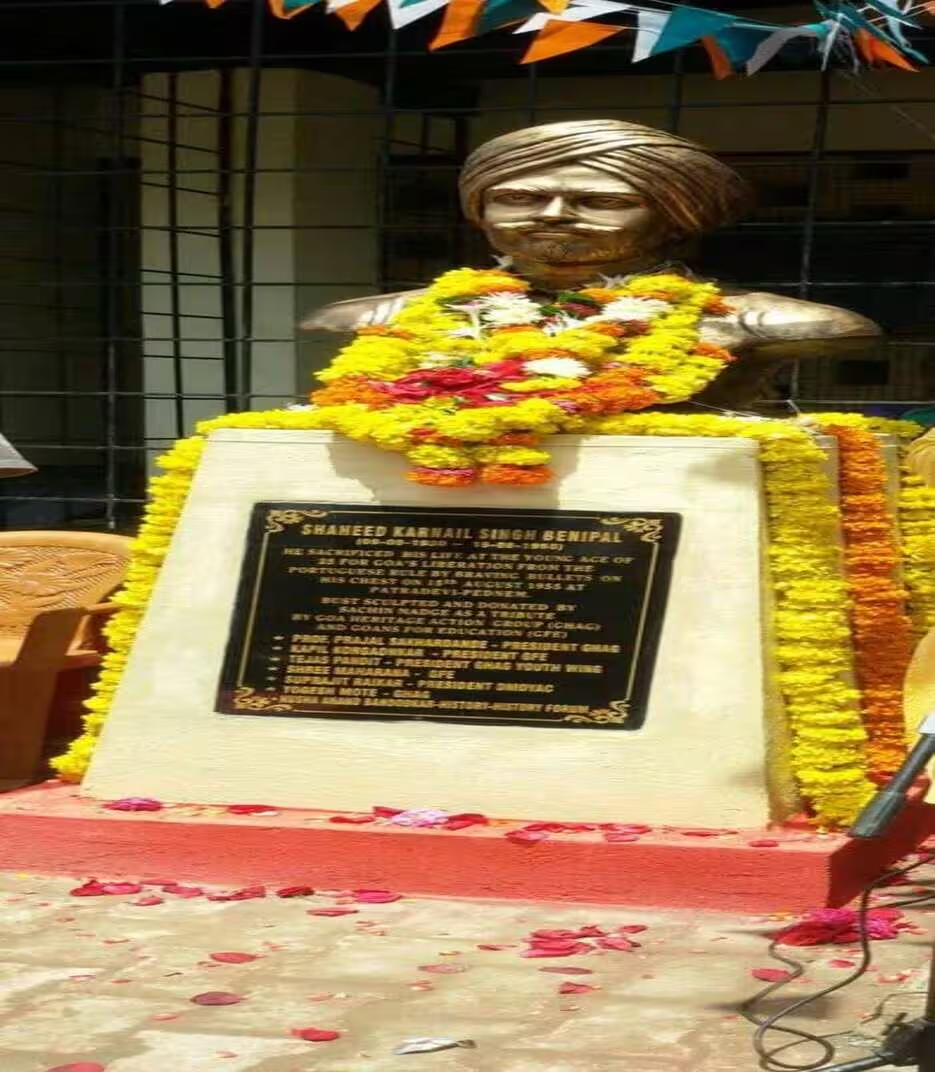
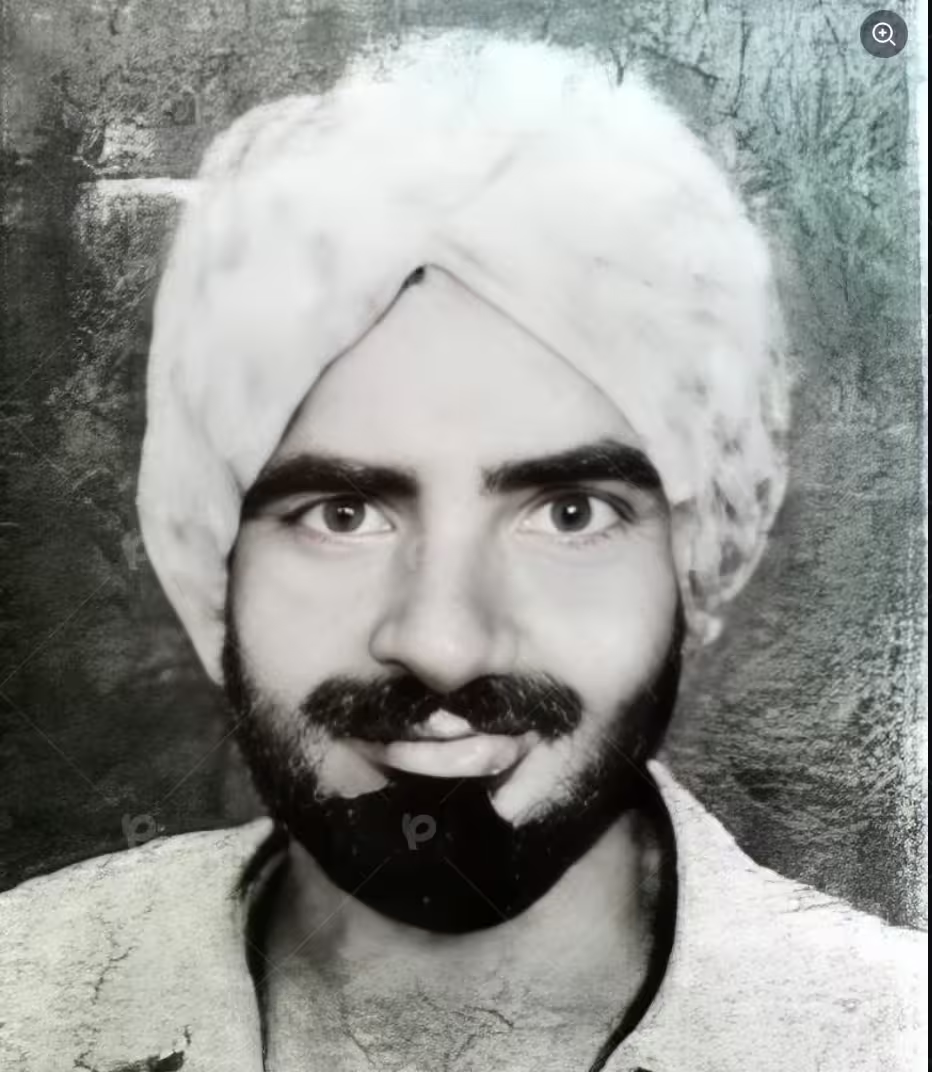
One of the most stirring chapters unfolded during India’s efforts to liberate Goa from Portuguese colonial rule. In 1955, young Sikh activist Karnail Singh Benipal (age 25) joined a non-violent Satyagraha procession at Patradevi village as part of the Goa Vimochan Sahayak Samiti. When Portuguese forces opened fire on the unarmed group, Benipal heroically shielded a fellow leader, tearing open his shirt and daring the soldiers to shoot him. He was fatally wounded, becoming an “unsung hero” whose sacrifice accelerated the liberation movement. Today, a bust at a local school honors him, installed in 2015 under “Mission Karnail.”
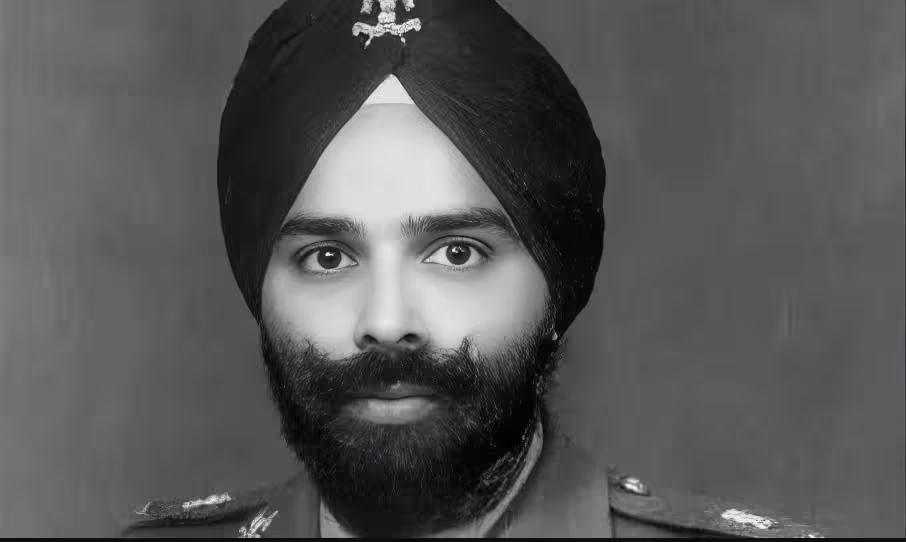
Six years later, during Operation Vijay in 1961, Sikh soldiers played a frontline role in integrating Goa into India. Major Shivdev Singh Sidhu, the “Hero of Zojila” from the 1948 Kashmir war, led a tank squadron to capture Aguada Fort. Facing heavy resistance, he was killed in action at age 35, earning posthumous recognition for his bravery. Alongside him fell Captain Vijay Kumar Sehgal, another Punjabi Sikh officer, in the same assault. These sacrifices underscore Sikh martial tradition, with their stories taught in military academies and commemorated annually.
The 2022 Langar Controversy at Old Goa Feast
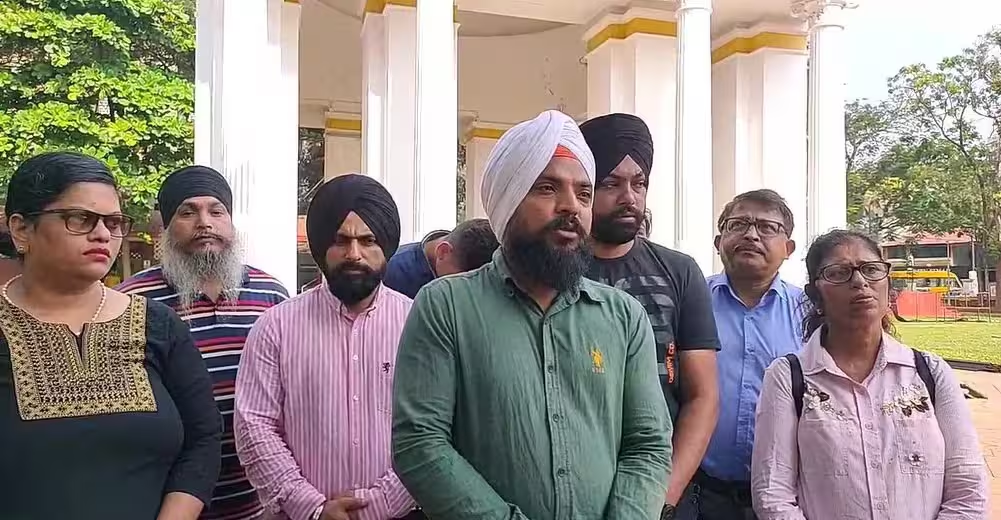
Fast-forward to recent times: In December 2022, during the bustling Feast of St. Francis Xavier—a major Christian pilgrimage—the Goa Sikh Youth (GSY) group organized a langar to serve free meals to 8-10,000 pilgrims, the poor, and traders at the Bhakia parking lot. With prior permissions, they aimed to promote interfaith harmony through seva. However, on the main Feast Day (December 3), Old Goa police halted the service mid-morning, citing an anonymous complaint (possibly from local eatery owners affected by the free food).
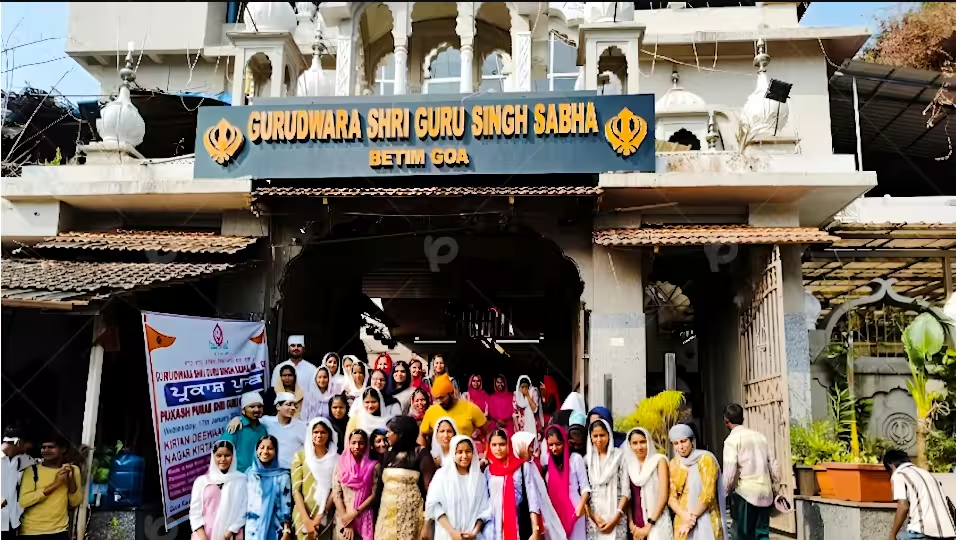
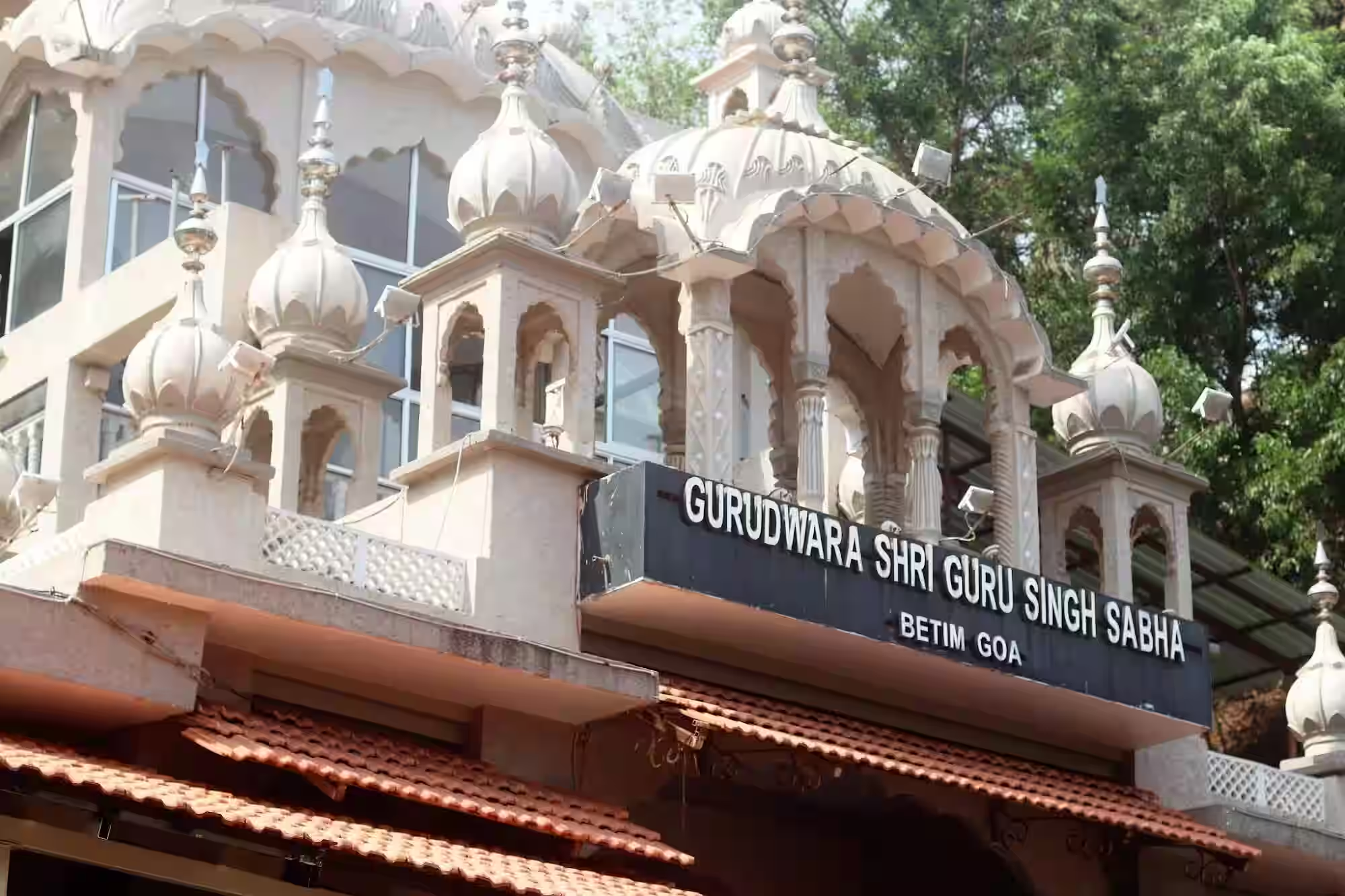
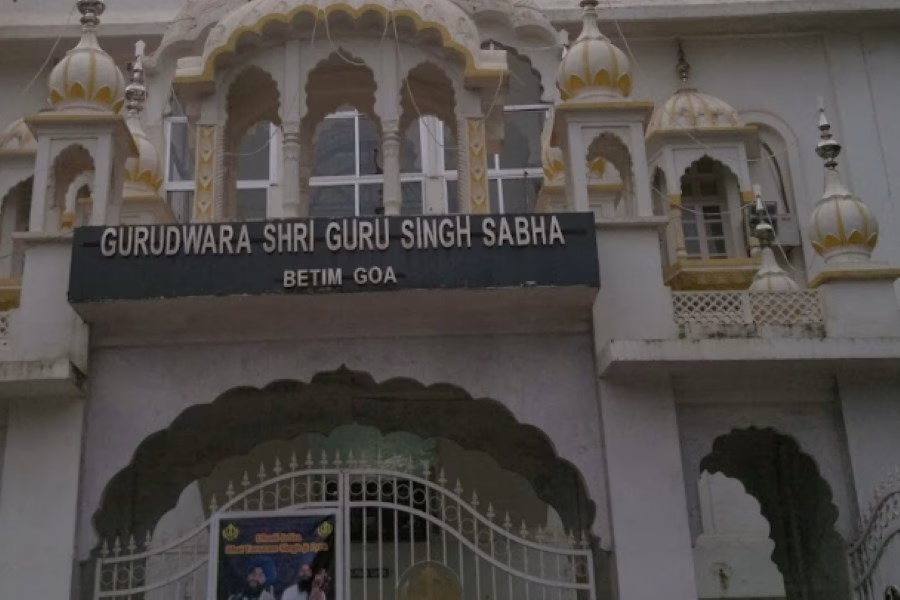
The incident sparked outrage, with GSY demanding transparency. Adding to the drama, leaders from Gurudwara Shri Guru Singh Sabha in Betim publicly criticized GSY, calling the langar unauthorized and image-tarnishing. President Harvinder Singh Dham stated it was run by “three or four youth” without Gurudwara or church approval, arguing langar should target the needy, not be served “on the road.” The committee planned internal actions, highlighting intra-community tensions. Despite this, the langar resumed briefly with local support, and no charges were filed. This event raised questions about permissions for charitable acts in Goa, echoing broader minority challenges.
Challenges During the COVID-19 Pandemic (2020–2021)
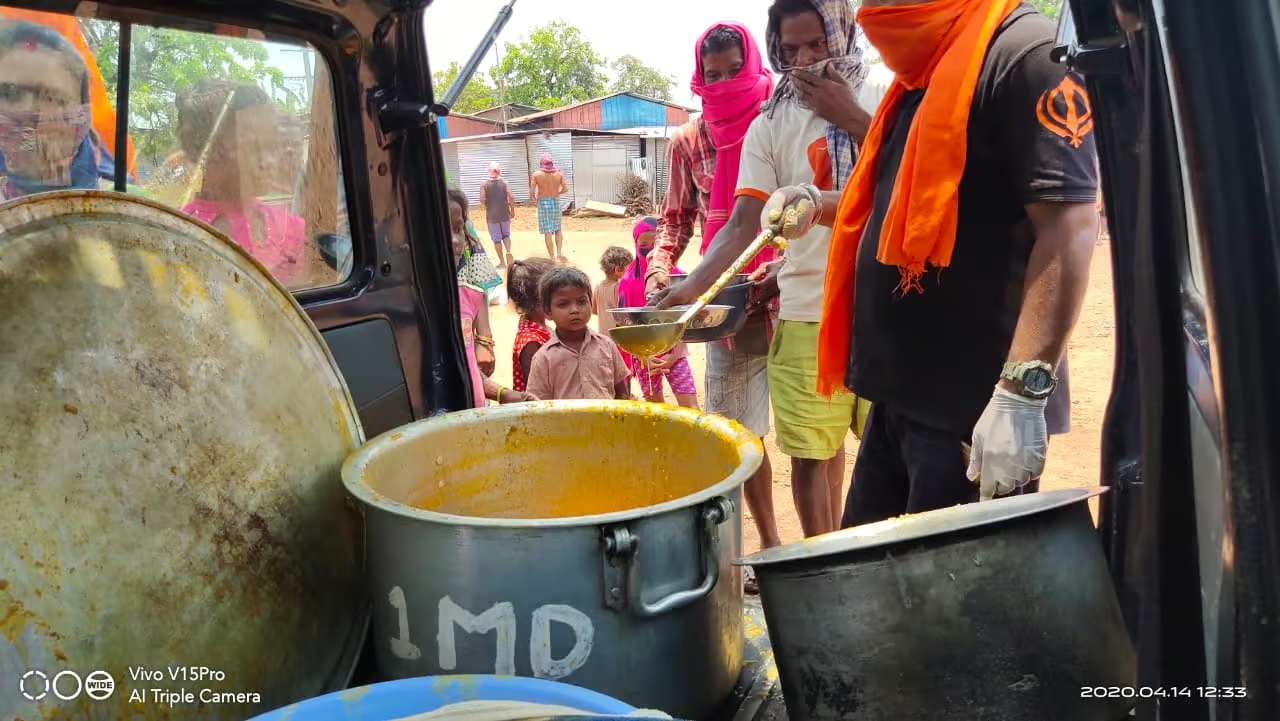
Amid the global crisis, Goa’s Sikhs exemplified seva by organizing langar for stranded laborers and the elderly. Yet, lockdowns brought hurdles: Securing movement permissions for volunteers was bureaucratic, grocery sourcing was disrupted, and authorities briefly questioned communal servings over social distancing. Adapting to packed meals, they served thousands, turning obstacles into opportunities for unity. actforgoa.org


Positive Milestones: Road Naming and Community Recognition
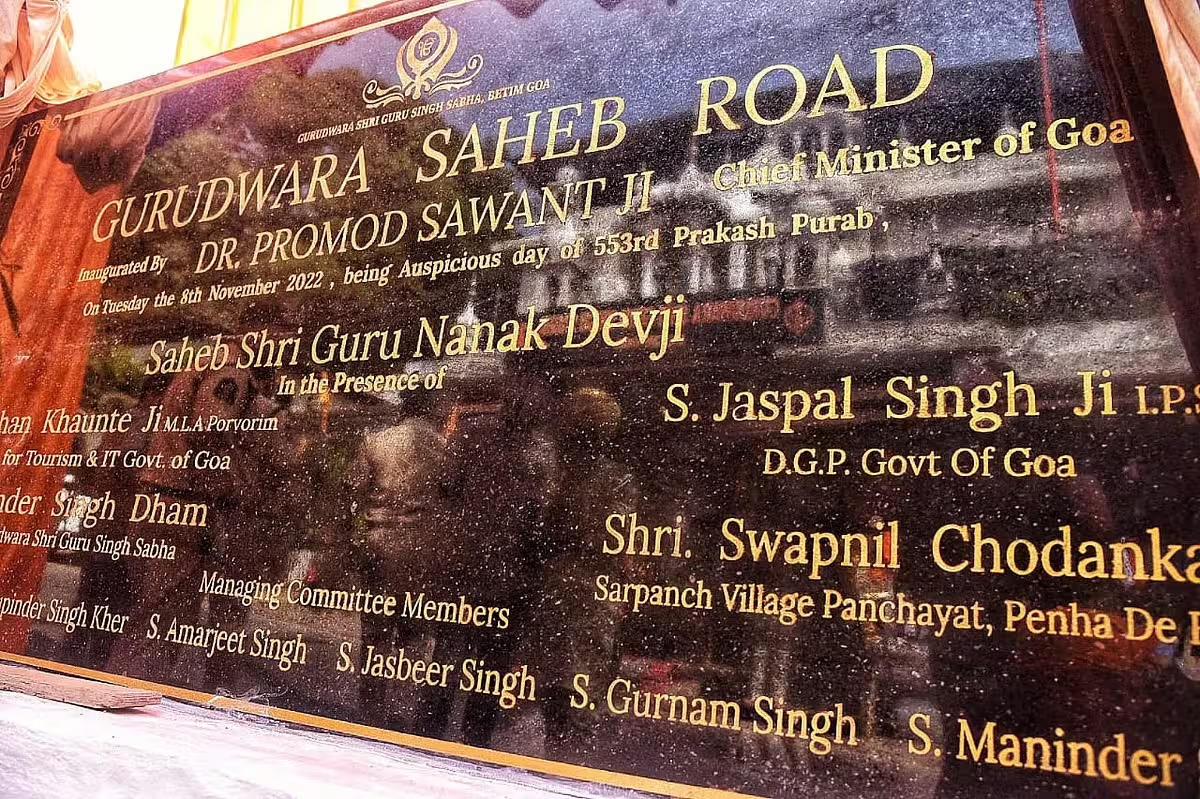
Not all incidents are adversarial. In November 2022, during Guru Nanak Jayanti celebrations, the road adjacent to Betim Gurudwara was officially named Gurdwara Saheb Road by Chief Minister Dr. Pramod Sawant, honoring the community’s contributions. This event, attended by dignitaries, symbolized growing acceptance and pride for Goa’s Sikhs.

These incidents—spanning sacrifice, controversy, and celebration—paint a vivid picture of Sikh life in Goa, drawing readers into the narrative of a community that thrives despite odds.
A Brief History of Sikhs in Goa
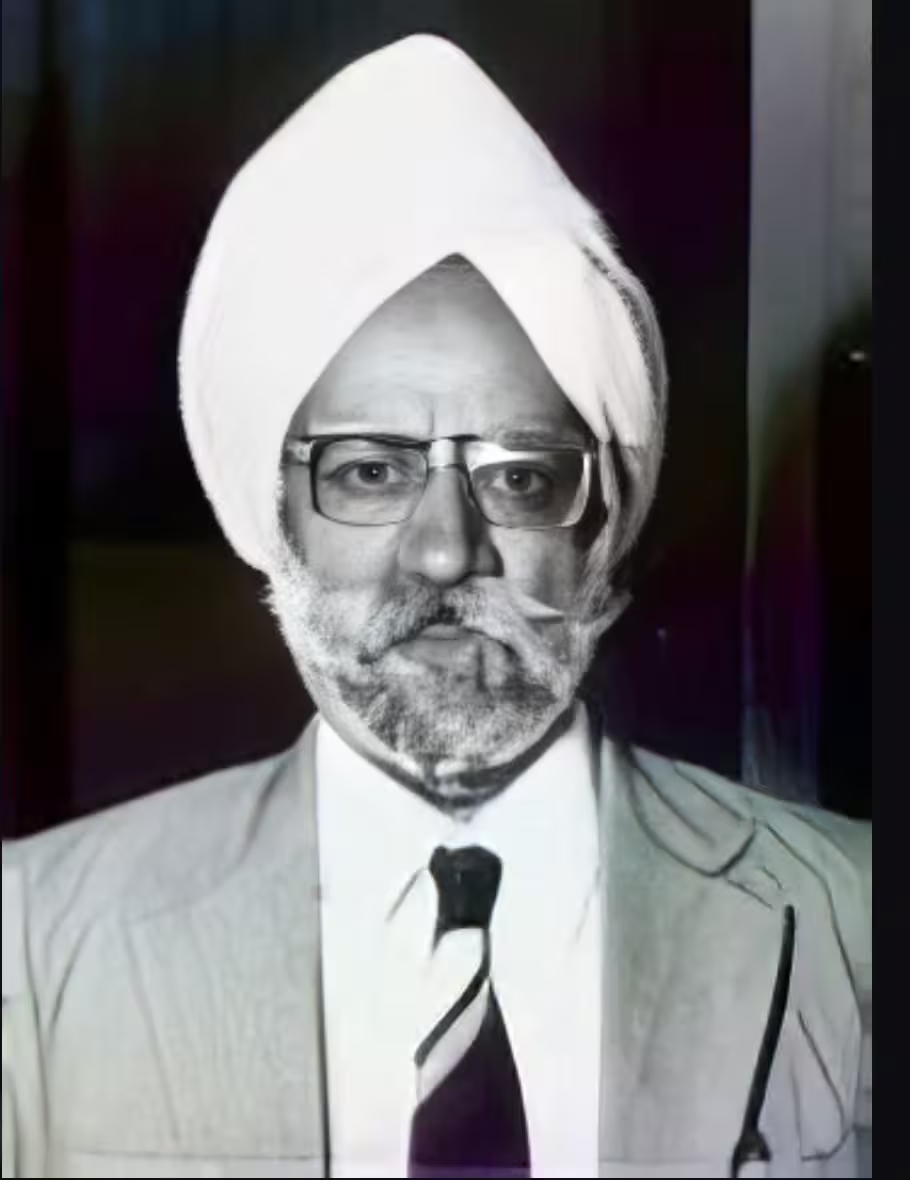
Sikhism’s roots in Goa are tied to post-independence migrations. With about 1,473 Sikhs (0.10% of the population per 2011 Census), many arrived from Punjab for military, shipping, and business opportunities. Key milestones include the 1985 foundation of Gurudwara Shri Guru Singh Sabha in Betim by Lt. Governor Dr. Gopal Singh. The community has grown quietly, blending Punjabi heritage with Goan culture.
The Sikh Community in Goa: Life and Culture
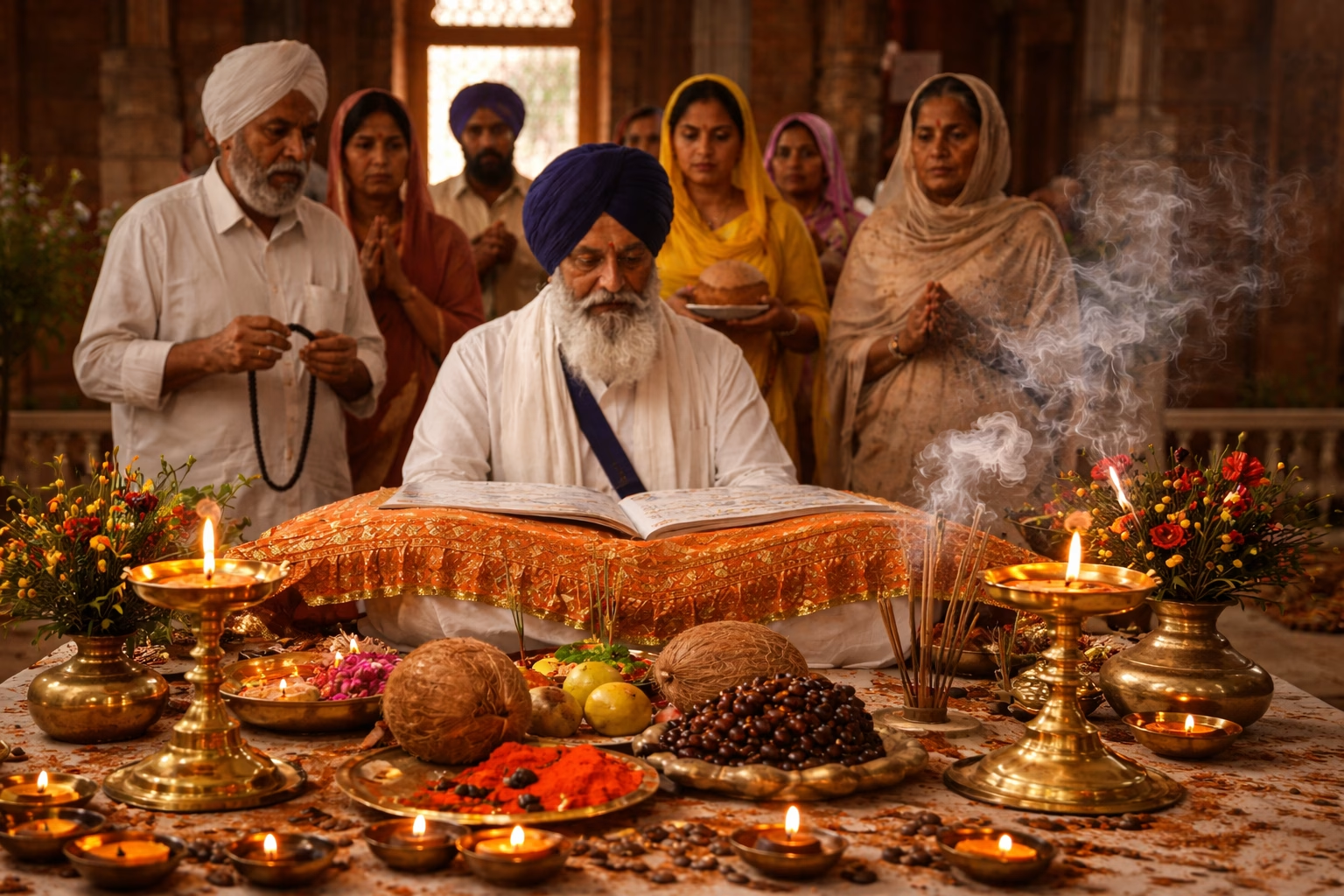
Goa’s Sikhs form a close-knit group, celebrating festivals like Vaisakhi and Guru Nanak Jayanti with Nagar Kirtans and langar. They adapt to local customs while preserving traditions, engaging in entrepreneurship (transport, hospitality) and charity. Youth initiatives on social media promote heritage, though challenges like cultural dilution persist.
Problems Faced by Sikhs: Beyond the Incidents
Initial social acceptance was tough due to visible Sikh symbols and language barriers. Cultural challenges include preserving education for youth in a non-Sikh majority. Logistically, maintaining gurdwaras and sourcing items is demanding. As of February 2026, adjustments like digital coordination have eased these, with stronger interfaith ties post-COVID.
Key Gurdwaras in Goa: Spiritual Anchors
Goa boasts three main gurdwaras, open to all:
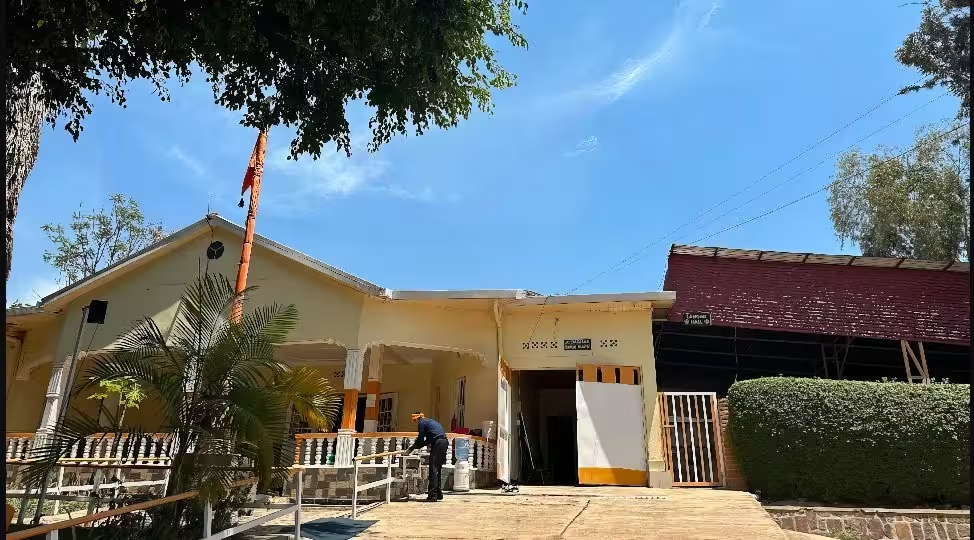
- Gurudwara Singh Sabha, Vasco da Gama: Serene spot in a bustling town, open 4 AM–10 PM. Near Baina Beach.
- Gurudwara 3 MTR, Dramapur: Amid greenery in South Goa, open 10 AM–3 PM. Near Colva Beach.
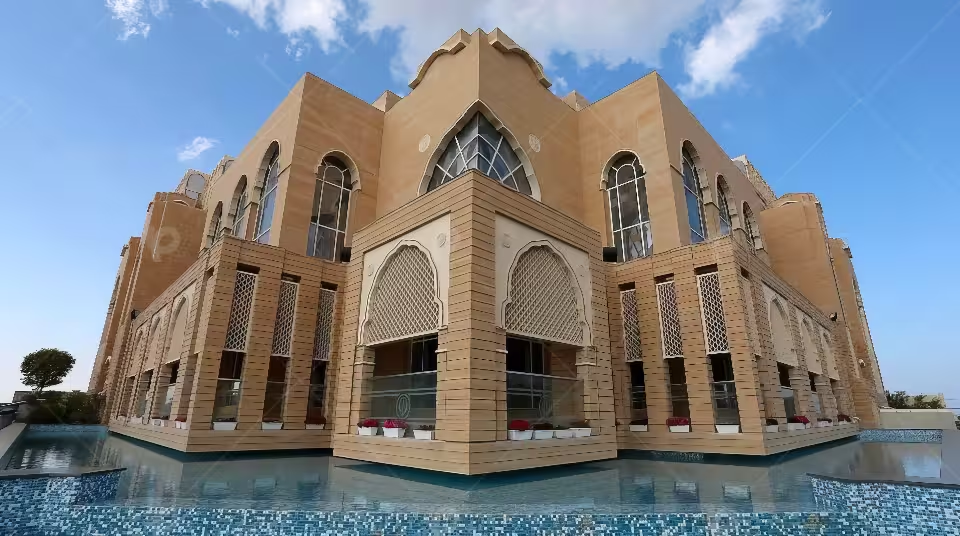
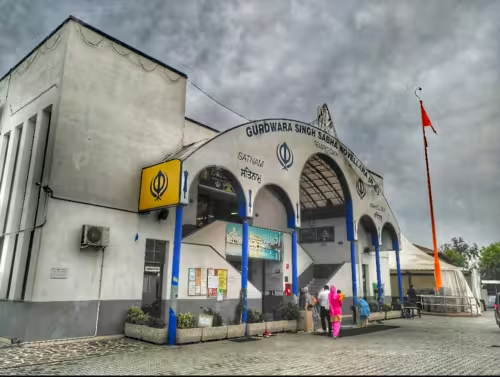
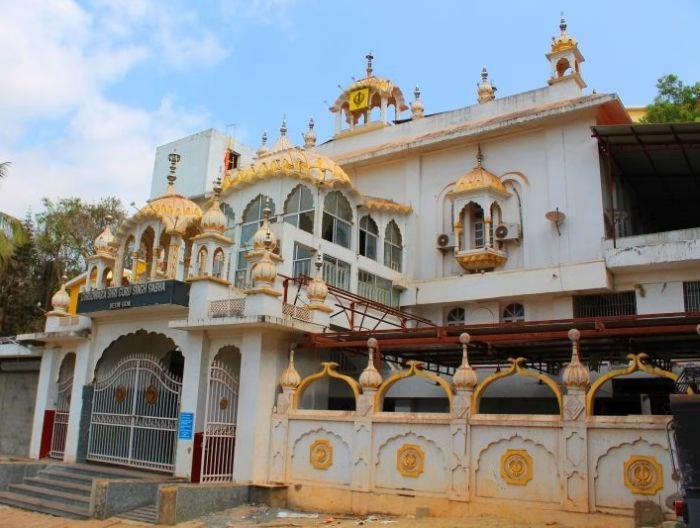
- Gurudwara Shri Guru Singh Sabha, Penha de França (Betim): Founded 1985, offers accommodation. Open 6:30 AM–8:15 PM. On Gurdwara Saheb Road, near Reis Magos Fort.
These hubs foster prayer, langar, and cultural events.