Sikhs in Iceland: A Small Community in the Land of Fire and Ice

Welcome to Global Sikhi Wiki, your comprehensive resource for exploring Sikh history, culture, and  communities. Today, we delve into the vibrant story of Sikhs in Iceland in Europe

I’ve always been fascinated by how our global community adapts to the most unexpected places. Iceland, with its stunning landscapes, volcanic wonders, and reputation as the safest country in the world, might not be the first spot that comes to mind when thinking about Sikhism. Yet, there’s a small, dedicated group of Sikhs making their mark here. In this blog, I’ll dive into the history, challenges, and vibrant spirit of Sikhs in Iceland, drawing from  some key insights I’ve gathered.

The Arrival and Growth of Sikhs in Iceland

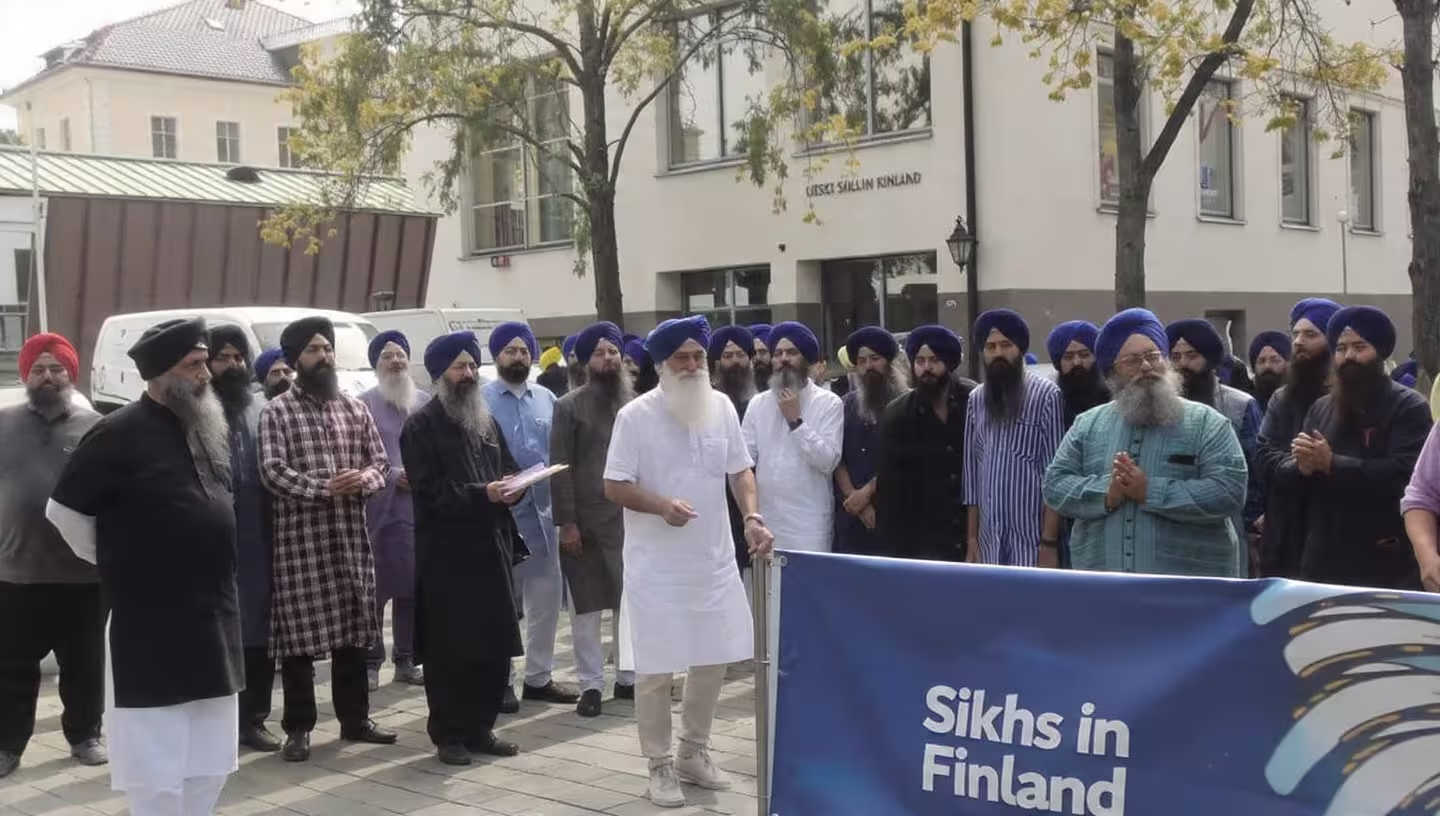
Sikhism’s presence in Iceland is relatively recent and modest. Most Sikhs arrived post-2000, hailing primarily from Afghanistan, Pakistan, and India. These immigrants came seeking better opportunities in this Nordic island nation, known for its high quality of life and natural beauty. According to various sources, there are between 15 and 25 Sikh families living in Iceland today. This number likely includes some local converts influenced by the 3HO (Healthy, Happy, Holy Organization) movement promoted by Yogi Bhajan, which has introduced Sikh practices like Kundalini Yoga to Western audiences.

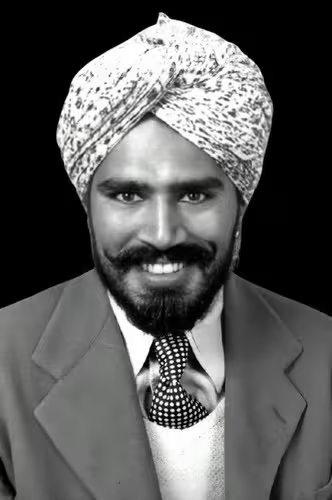
One of the pioneering figures in this story is Manjit Singh, widely regarded as one of the first—if not the very first—Sikhs to settle in Iceland. To obtain citizenship, he had to change his name to Ari Singh, as Icelandic law at the time didn’t allow non-Icelandic first names. This highlights an early challenge: navigating cultural and legal barriers in a country with strict naming conventions rooted in its heritage. Despite such hurdles, the community has grown steadily, with an estimated 100 Sikhs in total as of 2013 data. wikipedia.org  sikhchic.com

Iceland country in Europe
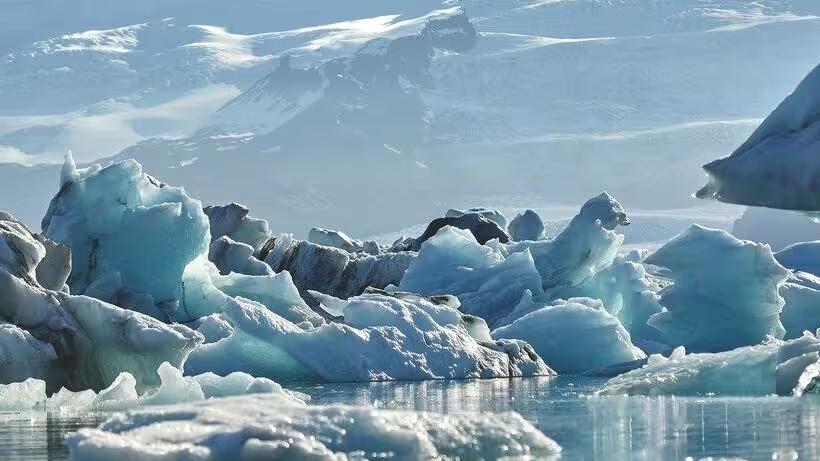
Iceland is a Nordic island nation in the North Atlantic, famously known as the "Land of Fire and Ice" due to its dramatic landscape of active volcanoes and massive glaciers

Building a Spiritual Home: Efforts Toward a Gurdwara

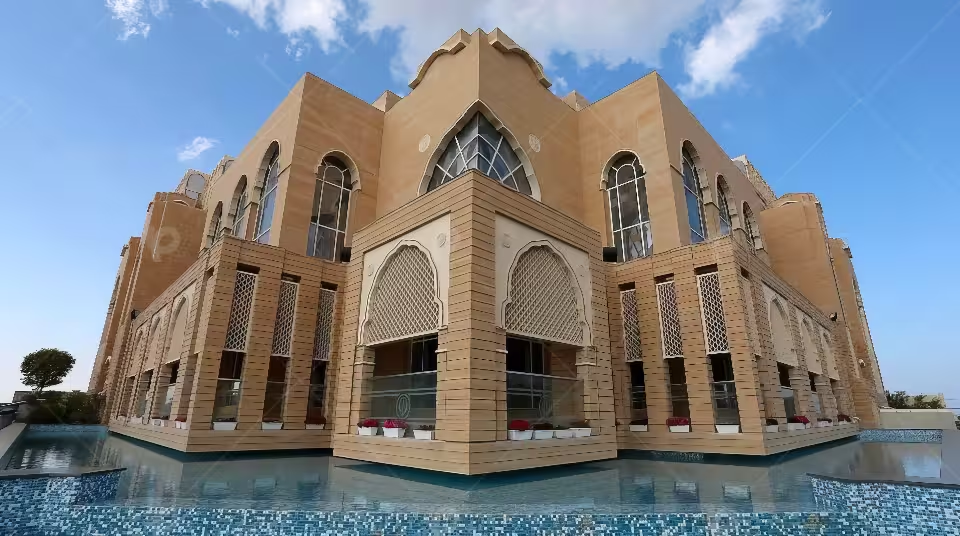
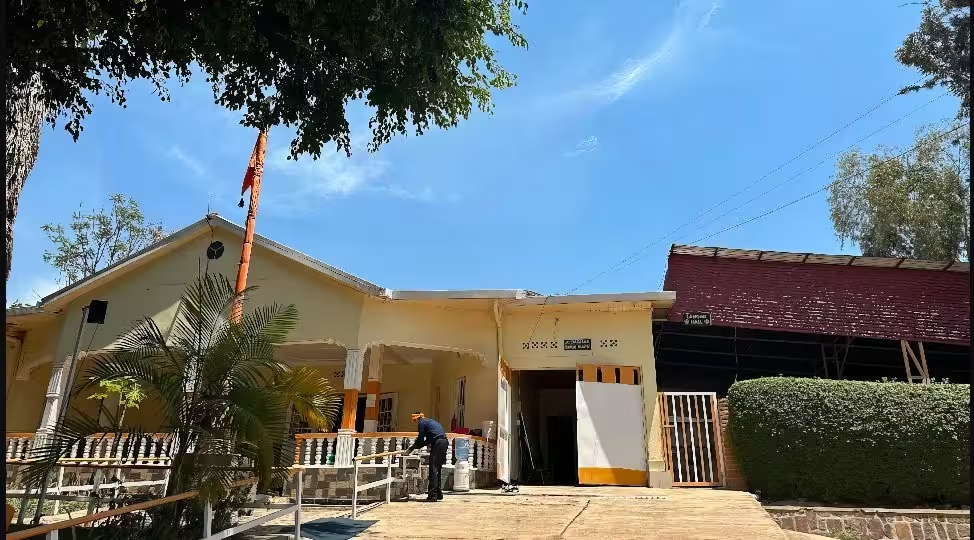
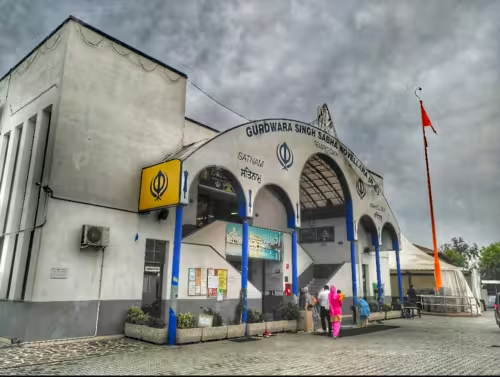
A key aspiration for the Sikh community in Iceland has been establishing a permanent Gurdwara (Sikh place of worship). Since the 2000s, families have been actively working toward this goal. There was once a short-lived Gurdwara, but it closed due to a lack of resources and support. This setback underscores the difficulties of maintaining religious infrastructure in a small, dispersed community far from traditional Sikh heartlands.

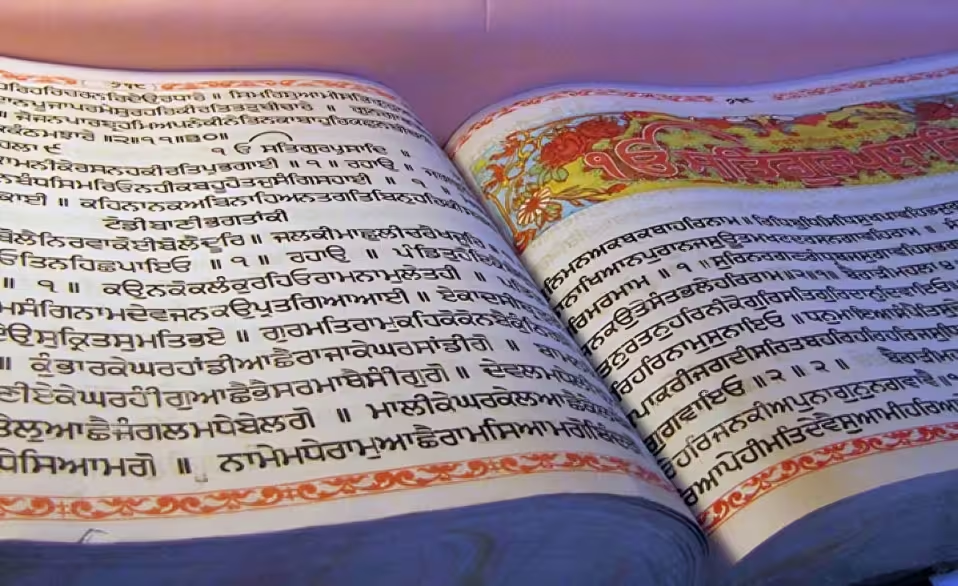
A milestone came in 2013 with the arrival of the Sri Guru Granth Sahib Ji (the Sikh holy scripture) in Iceland, thanks to Sólbjört Guðmundsdóttir, also known as Guru Suraj Kaur. She runs the Yoga Centre Ljósheima in Reykjavik and became the first person to bring the Guru Granth Sahib to the island. Her journey into Sikhism began through Kundalini Yoga, and she has played a pivotal role in fostering the community’s spiritual practices.
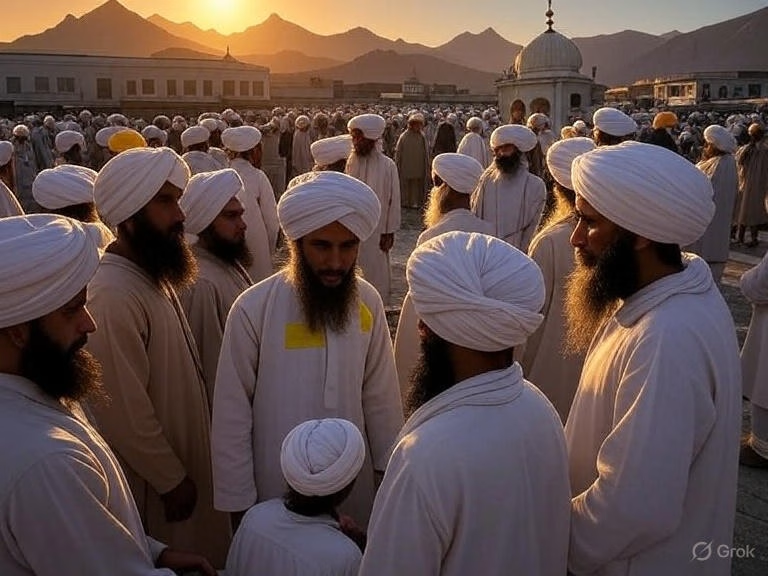
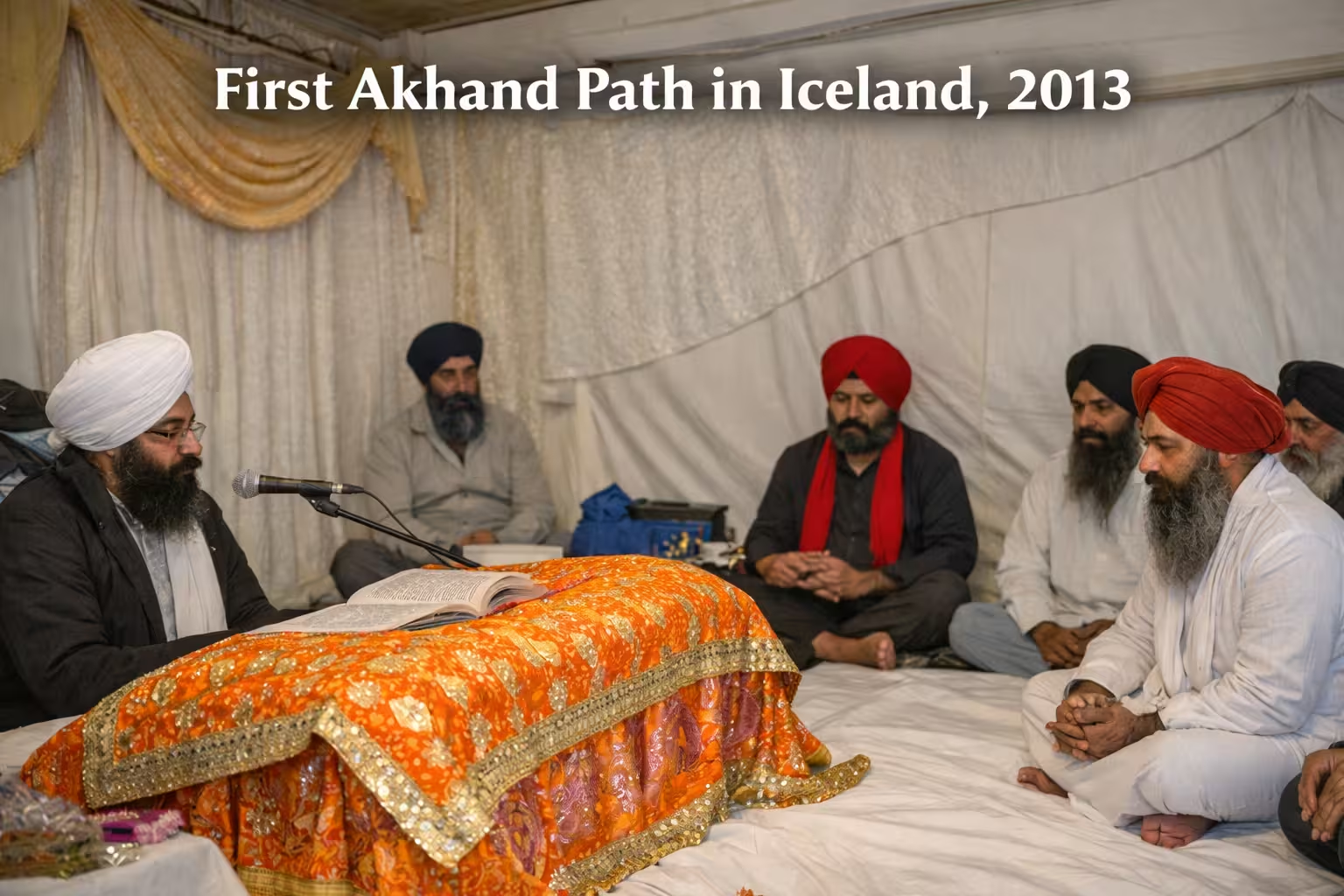
First Akhand Path in Iceland 2013
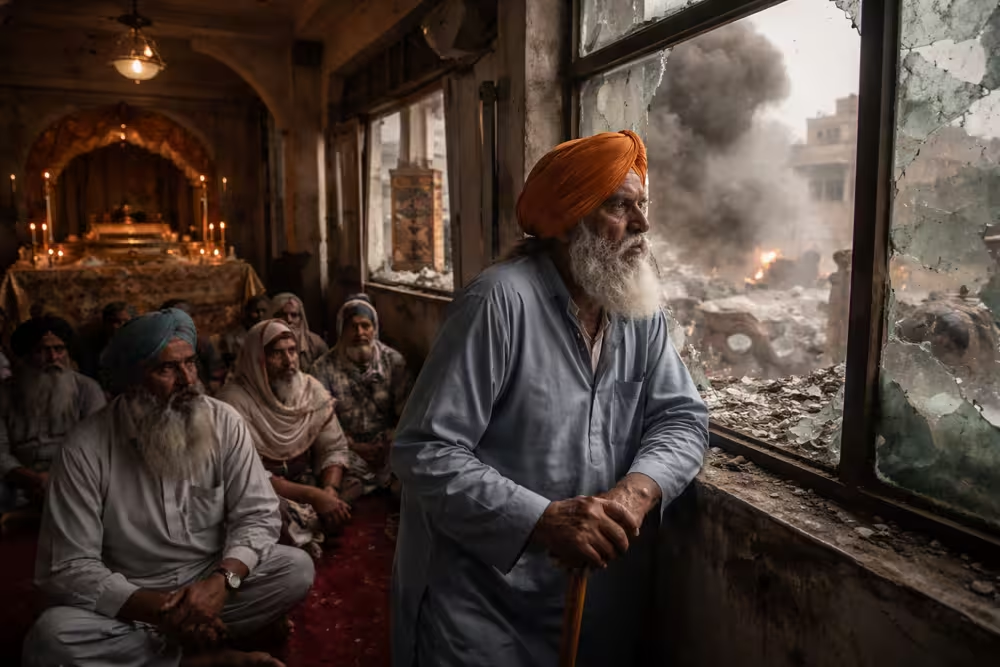
An Akhand Path (uninterrupted reading) is the continuous, non-stop recitation of the entire Siri Guru Granth Sahib, the Sikh holy scripture
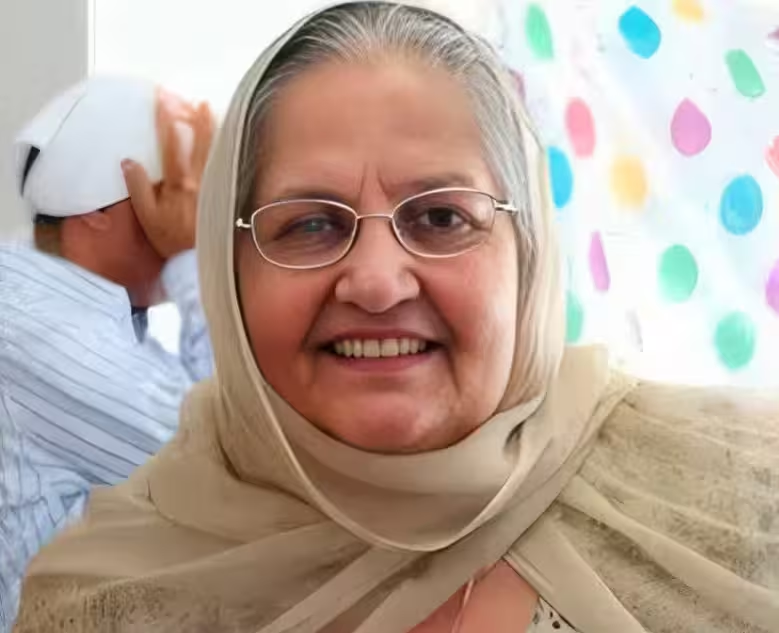
Sólbjört Guðmundsdóttir, also known as Guru Suraj Kaur of iceland
Sólbjört Guðmundsdóttir, known spiritually as Guru Suraj Kaur, is an Icelandic artist and Kundalini yoga teacher known for her involvement in the music.

That same year marked another historic event: the completion of the first Akhand Path (continuous reading of the Guru Granth Sahib) in Iceland. Organized by Guru Suraj Kaur with help from Sikh friends in New Mexico and London, as well as her husband and local yoga enthusiasts, the event ran from August 5 to August 12. Around 40 participants joined, many of whom were spiritual seekers rather than born Sikhs. The gathering was filled with seva (selfless service), and it culminated in a profound sense of blessing for everyone involved. A Hukam (divine command) from the Guru emphasized devotion and love, setting a tone of unity. A second Akhand Path was even planned for October 31 that year, showing growing momentum.

These efforts are documented in resources like the book chapter on Iceland in Sikhs in Continental Europe by Swarn Singh Kahlon, which explores Sikh migration across the continent, including to this volcanic island famous for its hot springs, geysers, and lava fields. sikhdharma.org

Challenges and Everyday Life

Living as a Sikh in Iceland isn’t without its quirks. The community’s small size means limited access to Punjabi groceries, religious artifacts, or large gatherings. Immigration stories often involve adapting to Iceland’s unique environment—from its long winter nights to its geothermal energy-driven society.

On a personal note, as someone who covers my head with a turban, I’ve found Iceland to be incredibly welcoming. Locals are polite and stared far less than tourists from other countries. The only minor hiccup once for a Sikh was once at the airport, where security checks felt a bit more scrutinizing—but nothing out of the ordinary for international travel. Iceland’s status as the safest country globally certainly helps; it’s a place where you can hike volcanoes or soak in hot springs without much worry.

That said, the black sand beaches, formed from volcanic ash, are a must-see. They’re a stark reminder of Iceland’s fiery geology, contrasting beautifully with the ocean waves. If you’re planning a trip, don’t miss Reynisfjara—it’s otherworldly! bvsss.org

Looking Ahead: A Bright Future?

While there’s no permanent Gurdwara yet, the spirit of the Sikh community in Iceland remains strong. Recent online discussions, like those on forums and Reddit, show interest from visitors seeking Sikh temples, with some noting the historical attempts but no current active locations. For now, practices often happen in private homes or yoga centers like Ljósheima, where Sikh teachings blend with local wellness traditions. sikhphilosophy.net

If you’re a Sikh traveler or just curious, Iceland offers a unique blend of adventure and reflection. The community’s resilience mirrors the island’s own—thriving amid isolation and natural forces. Who knows? With continued efforts, a full-fledged Gurdwara might soon grace Reykjavik’s skyline.

What are your thoughts on minority communities in remote places? Have you visited Iceland? 

Pritam Singh (@ohmygod57) – Writing from Delhi, where the winters are nothing like Iceland’s!

Scroll to Top